In the heart of Africa’s most populous nation, a technological revolution has been quietly transforming how one of the world’s most iconic tech companies approaches innovation. As Microsoft celebrates 50 years of global impact, Nigeria stands out as a market that has not only embraced the company’s solutions but has fundamentally influenced its strategic direction.
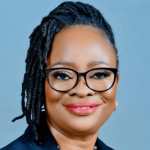
I recently sat down with Ola Williams, Managing Director of Microsoft Nigeria and Ghana, to understand how Nigerian ingenuity and consumer behavior have helped shape Microsoft’s global playbook over the last quarter-century.
25 Years of Local Impact
“We’ve had a great engagement in Nigeria, having been here for close to about 25 years,” Williams begins, reflecting on Microsoft’s journey in the country. “We’ve made significant strides across board with our work and partnerships.”
This timeline is significant—Microsoft has operated in Nigeria for half of its global existence, witnessing and participating in the country’s digital transformation first-hand.

Digital Inclusion Through Local Languages
When asked about how Nigerian users have influenced Microsoft’s approach, Williams highlights a particularly powerful example: “Our training curriculums, especially those for MSME, have been translated into local Nigerian languages—the three major languages, Hausa, Yoruba, and Igbo.”
This localization effort represents more than mere translation. It embodies a fundamental shift in how Microsoft approaches digital inclusion globally.
“This is empowering people that are not very fluent in English to also participate, gain digital skills, and use that knowledge to improve their livelihood,” explains Williams. “It’s a great effort on behalf of Microsoft to drive inclusivity of technology usage across board, especially with such categories of people who could have otherwise been disenfranchised.”
The decision to invest in local language support demonstrates how Microsoft is invested in Nigerian linguistic diversity in line with Microsoft’s global diversity and inclusion drive.
Nigerian Startups: Africa’s Innovation Leaders
Perhaps the most striking revelation from our conversation was the outsized influence of Nigerian entrepreneurs on Microsoft’s startup ecosystem.

“Nigerian startups are actually the number one uptakers of Microsoft for Startups Founders Hub within Africa,” Williams shares with evident pride. “This positioning is based on the fact that Nigerians are really entrepreneurial in mindset and want to explore and take advantage of available opportunities.”
Through Founders Hub, Microsoft has supported over 700 Nigerian startups with Azure credits, developer tools, technical support, mentorship, and in some cases, funding through venture capital partnerships.
Williams cites Aibanc as a standout example—a Nigerian startup that launched “Africa’s first subscription-based banking system” helping countless small and medium enterprises access financial services.
This entrepreneurial energy has influenced Microsoft’s global approach to nurturing technological ecosystems in emerging markets, with lessons from Nigeria informing strategies across the Global South.
Financial Services: Leading the AI Revolution
When I asked about which Nigerian customers Williams is most proud of, she hesitates—”It’s like asking a mother to tell you her favourite child.” But she does acknowledge a clear pattern.
“Our Financial Services Industry (FSI) customers have really been strong adopters of technology. They are leading the way that other industries should emulate,” Williams observes. “That’s also seen in how Nigerian fintech companies and banks are driving innovation with new products and services.”
This early and enthusiastic adoption by Nigeria’s financial sector has made it a global case study for Microsoft, informing how the company introduces advanced technologies like AI across different markets and sectors.
“If I look at the early adopters of AI tools in Nigeria, FSI customers majorly dominate the space,” Williams notes, though she also mentions energy companies like NLNG and conglomerates like Dangote Group that are embracing Microsoft’s AI capabilities.
Breaking New Ground with AI
Microsoft’s recent “AI Tour” in Nigeria—part of a global series targeting key markets—underscores the country’s strategic importance. During this event, Microsoft committed to training 1 million Nigerians in AI and cybersecurity.
“We are investing in trainings and capacity building for customers, partners, and students across multiple industries and different personas,” Williams explains. “One vivid example, especially as relates to media, was when our communications team led a session for media practitioners in our office where we helped them identify how they can leverage Microsoft Copilot to enhance their productivity.”
Williams reveals that Microsoft is developing an AI Whitepaper specifically for Nigeria “to help Nigerians understand how AI is being used in the country, what the areas of opportunities are, and how we can further enhance our capabilities to leverage AI for the overall good of the country.”
Success Stories Across Sectors
The interview reveals several compelling examples of Nigerian organizations utilizing Microsoft’s technologies to solve unique local challenges:
ICE Commercial: Using Microsoft AI tools to identify small businesses that could benefit from renewable energy solutions, empowering over 12,000 small businesses with access to clean energy.
Dangote Group: Africa’s largest conglomerate leveraging cloud solutions and Copilot to drive security transformation and enhance cybersecurity defense.
First Bank: Employing Microsoft cloud technology to accelerate the digital transformation of their SMB customers by providing tailored non-financial solutions.
Access Bank: Adopting Copilot to drive innovation and productivity, particularly within their developer ecosystem.
Looking to the Next 50 Years
As our conversation draws to a close, I ask Williams how Microsoft is celebrating its 50th anniversary and preparing for the next half-century.
“Our anniversary is not only just about celebration,” she responds thoughtfully. “It’s also about looking at what the next 50 years look like in terms of impact and our ability to continue to innovate and support our customers’ transformation journey.”
A cornerstone of this forward-looking approach is the global Microsoft AI Skills Fest initiative—a 50-day program running from April 8th to May 28th, 2025, providing access to AI skilling globally.
“We understand the impact that AI will continue to make to shape the future of mankind,” Williams reflects. “We’ll continue to invest in helping organizations and individuals understand how they can leverage these tools to be more creative, innovative, and drive efficiency in daily operations, whether in energy, education, healthcare, financial services, mining, or other sectors.”
The Nigerian Blueprint
What emerges from this conversation is clear. Nigeria has become far more than just another market for Microsoft. It has served as a laboratory for innovation, a proving ground for new approaches to technology adoption, and a source of insights that have influenced Microsoft’s global strategy.
As the company celebrates its golden anniversary, the story of Microsoft in Nigeria stands as a testament to what can happen when a global technology leader truly listens to and learns from the unique needs, challenges, and innovations of local users.
The next 50 years of Microsoft’s global journey will undoubtedly be shaped by the lessons learned in places like Nigeria—where technology meets entrepreneurial spirit to create solutions that resonate not just locally, but worldwide.
This article is based on an exclusive interview with Ola Williams, Managing Director of Microsoft Nigeria and Ghana, conducted as part of Microsoft’s 50th Anniversary celebrations.