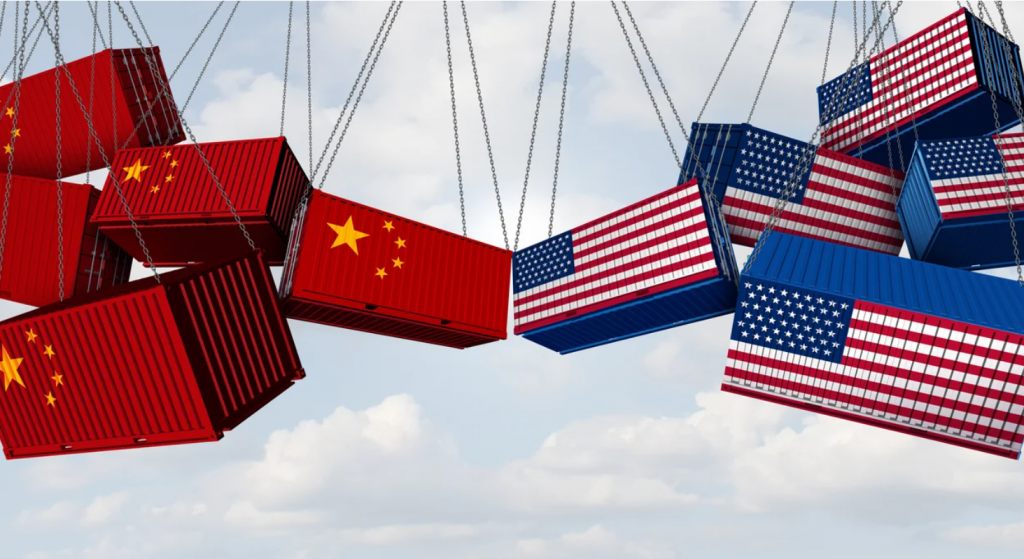
On Monday, China issued a stern warning to countries considering economic agreements with the United States that could harm Chinese interests. This warning intensifies the ongoing trade war between the world’s largest economies.
China’s Commerce Ministry stated they will “firmly oppose any party striking a deal at China’s expense” and will respond with “countermeasures in a resolute and reciprocal manner.”
The warning follows a Bloomberg report that the Trump administration plans to pressure countries seeking US tariff reductions to cut back their trade with China, possibly using monetary sanctions.
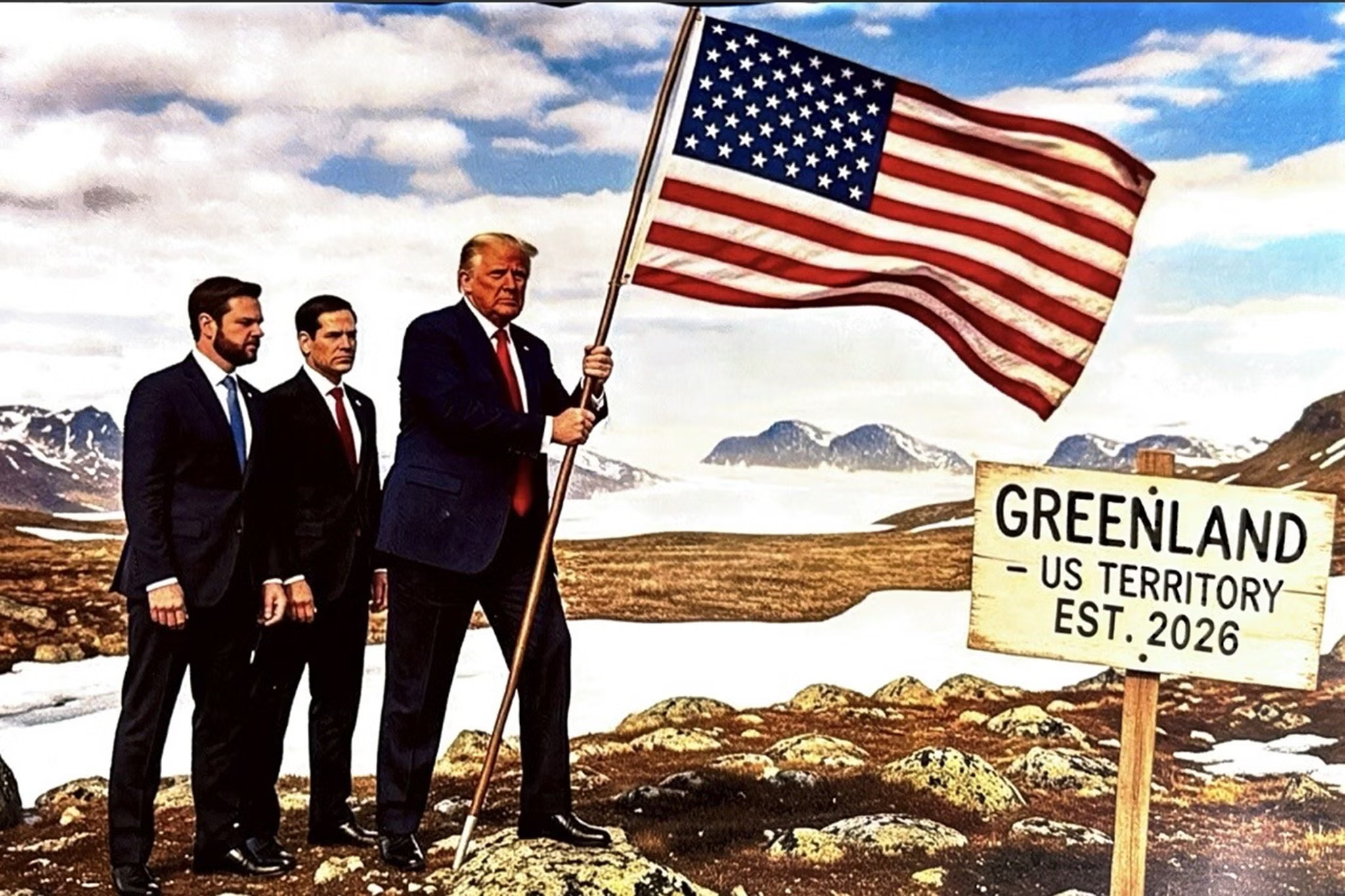
President Trump has specifically targeted China in his tariff strategy, pausing widespread tariffs for many countries while maintaining them for China. Washington has raised tariffs on Chinese imports to 145%, with Beijing responding with 125% duties on US goods. China recently indicated it won’t increase its tariffs further.

Read Also: Trump’s trade war upends Nigeria’s economy, but where’s Tinubu?
China criticised the US approach, saying America has “abused tariffs on all trading partners under the banner of so-called ‘equivalence’, while also forcing all parties to start so-called ‘reciprocal tariffs’ negotiations.”
Bo Zhengyuan, a partner at China-based policy consultancy Plenum, noted that many countries are reluctant to choose sides: “If countries have high reliance on China in terms of investment, industrial infrastructure, technology know-how and consumption, I don’t think they’ll be buying into U.S. demands. Many Southeast Asian countries belong to this category.”
China plans to hold an informal UN Security Council meeting this week to accuse the US of bullying by “weaponising tariffs.”
Meanwhile, US Trade Representative Jamieson Greer said nearly 50 countries have approached him about Trump’s additional tariffs. Some countries have begun talks with the US. Japan is considering increasing soybean and rice imports, while Indonesia plans to buy more US food and commodities.

The US is also working to limit China’s development of advanced semiconductor chips, citing military concerns, and recently imposed port fees on Chinese-built vessels. AI chip maker Nvidia announced $5.5 billion in charges due to US export restrictions.
Chinese President Xi Jinping visited Southeast Asian countries last week to strengthen regional ties and encourage partners to oppose what he called “unilateral bullying.”