Managing an economy of over 200 million inhabitants with a single major commodity is not sustainable. While there have been various calls for the government to invest in diversification programmes that will help expand the nation’s revenue net and provide more jobs for the unemployed, not many proposals have touched on the immeasurable benefits that the transport sector could yield if properly diversified investments are channelled therein.
Nigeria’s transport system, which includes the overburdened road networks, underutilised rail system, underfunded and highly mismanaged air transport system and the highly untapped ocean carriage system, jointly constitutes a significant share of overall economic activity in the country.
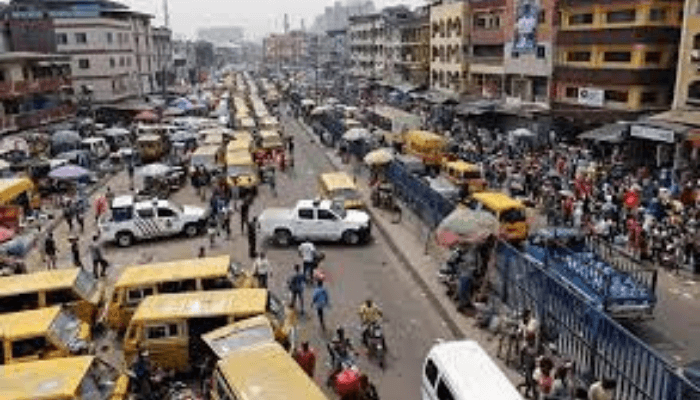
The road transport system in Nigeria is arguably the most patronised. However, what characterises the land travel option with a country-wide geographic capacity of 195,000 kilometres include a poor road network across the country, badly tarred roads, numerous potholes, poor or lack of drainage systems, inadequate road signs and a terrible road policing system.
Also, the menace created by unfit drivers who drive unworthy vehicles constitutes a nightmare even in broad daylight to travellers that ply the roads to their various destinations.

The rail network system, which covers 3,505 kilometres by cape gauge and 669 kilometres by the standard gauge (as of 2019), is highly underutilised. With rail lines running through various parts of the country, there seems to be little commitment on the part of the government to revitalise and expand the rail transport system. In the recent past, the Nigerian authorities have commissioned new rail projects whose existence have suffered several setbacks, including rail line theft, train breakdowns, fire incidents, in-transit robbery attacks, etc. On these, there has been a trifling response by the concerned authorities, and people are becoming unsettled about rail travel as an option.
Similar experiences and indeed, more can be detailed about the Nation’s air transport system; unfit aeroplanes, poor and unprofessional services, dilapidated infrastructure at the airports, consistent flight delays and cancellations, use of outdated gadgets, corruption and so on, are usually complained about.
Read also: What ExxonMobil’s proposed asset sale means for Nigeria’s economy
However, this is not to say that the various transportation systems have not contributed to the Nation’s sovereign purse. The main concern at hand is the poor state of operations in these sub-sectors and their increasingly diminishing capacity to service Nigeria’s growing population effectively. Nigeria’s transportation system must respond elastically to accommodate the increasing human count with expanding population growth. This is where the consideration of the potential of a Blue Economy comes in.
Blessed with about 10,000 kilometres of waterways, Nigeria’s sea routes are developed to accommodate only about 3,800 kilometres of usable water path seasonally. This means that about 70 per cent of the country’s inland waterways are dormant, according to the Nigerian Inland Waterways Authority (NIWA). Given the potential to help decongest road, air and rail travel and the advantage of heavy-duty goods carriage across international borders, Nigeria’s marine transport subsector needs the requisite attention by the government to revitalise and expand operations to take full advantage that the subsector can offer.

Moved by the need to diversify the economy and to take advantage of the benefits that the highly untapped subsector offers, the Vice President of Nigeria, Professor Yemi Osinbajo, inaugurated an Expanded Committee on Sustainable Blue Economy in Nigeria on the 17th of January 2022. The committee was set up to devise plans to help the country explore oceans, rivers, lakes, creeks, estuaries, and tributaries for prime economic gains and the upliftment of impoverished citizens in neglected opportunity-prone areas of the country.
The Blue Economy programme was set up to accommodate states with sufficient waterways given their proximity to the Atlantic Coast.
Accordingly, Bayelsa, Rivers, Akwa Ibom, Cross River, Edo, Delta and Lagos States were initially chosen as choice areas to launch the programme. Subsequently, Ogun and Borno states were included. Ferrying activities along these routes is expected to reduce road transport congestion and also popularise water transport activities in the country. Eventually, economic activities such as fishing, tourism, and other forms of marine exploration will help create more jobs and boost revenue to the government. Overall, it is expected that better gross domestic product (GDP) performance will be realised.
Hence, investment in the expansion of routes, improved security along the waterways and better private sector investment is needed to keep the Blue Economy initiative alive. The Lagos State Ferry Services has already put in some efforts to expand marine services operations in the state. In 2021, for instance, the agency took delivery of new high capacity speedboats, which helped increase the fleet size for rapid transport activities in the state’s waterways.
Consequently, movement between Apapa and Marina has been made easier as people can now avoid taking a longer route and heavy traffic on their way to the Island through the Apapa – Amuwo Odofin axis.
Also, additional ferrying fleet and services could help improve marine transport between the Ikorodu – Lagos Island route.
Also, since five neighbouring countries – Benin Republic, Equatorial Guinea, Cameroon, Chad and the Niger Republic – can be accessed through water, international travels and cargo shipments can be made more easily without exposure to road hazards and heavy transport costs. Furthermore, expanding routes along global coastlines will help decongest the overburdened Apapa ports, leading to an extension and expansion of economic activities across several states in Nigeria.
In all, if the Nigerian waterways are well exploited to their best use, and preserved to sustain their relevance and usefulness, then the prospects for economic growth, improvement of livelihoods and provision of jobs and other opportunities for the country will be expanded as the economy becomes more diversified to accommodate newer investments in the highly untapped sub-sector.