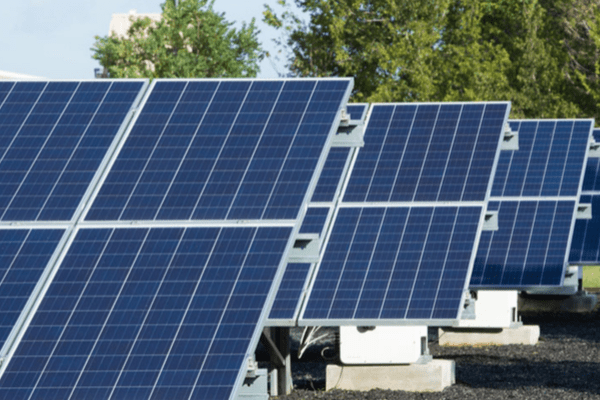
Nigeria has the biggest and most attractive off-grid opportunity in Africa, and one of the best locations in the world for mini-grids and solar home systems, however in order to attract big investments there is need for more collaborative effort for bigger projects.
Speaking at a panel section at the annual Businessday Future of Power Conference which held in Lagos Daniel Mueller, head, origination and structuring at Infracredit Guarantee Company, Nigeria Offgrid sector needs bigger projects that will attract huge funding or government agencies to facilitate larger projects just the same way Nigeria Liquefied Natural Gas (NLNG) project is attracting $10 billion.
Mueller noted that Nigeria needs to prioritize what it takes to bring in investment because people are investing in smaller projects since regulators are making difficult for people to bring in bigger investment into the sector.
“Offgrid sector is always doing smaller projects and can’t attract funds like the N9.3 trillion Pension funds looking for bigger size projects,” Mueller said.

Mueller said the market is now ripe for relatively larger capacities of between 20MW and 100MW in different cities as there is now willingness and ability of the Nigerian customer to pay for power but a lack of currency stability could discourage investors from taking long-term financing decisions.
“The regulator said you need a license or permit if you’re generating above one megawatt, however, these licensees are not easily available or forthcoming,” said Mueller at Infracredit, a specialised infrastructure credit guarantee company, established to enhance local currency debt instruments, mainly bonds, to finance eligible infrastructure projects in Nigeria.
Nigeria’s off-grid electricity market is steadily becoming the darling of funders and investors, and this is despite its market entry challenges – FX instability, country’s insecurity, and customs levies.
“Uganda is trying to learn from Nigeria’s off-grid; even though our off-grid is huge and quite dynamic it’s also quite young at the same time. No matter how bad things are you really can’t shut down down Nigeria,” Dolapo Kukoyi, partner at Details Commercial Solicitors said at the conference.
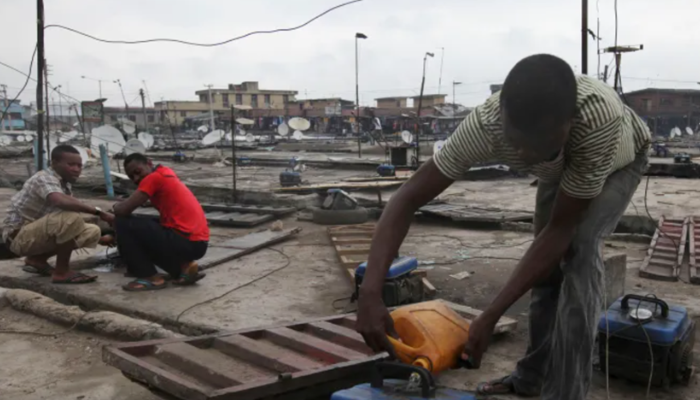
Nigerians spend an estimated $14 billion annually on smallscale diesel generators to offset poor or non-existent grid supply.

Over 80 percent of Nigerian businesses cite electrification challenges as the most significant obstacle to doing business with erratic power supply resulting in more than $25 billion in annual losses to the economy, more than 6percent of GDP, according to Nigeria’s Power Sector Recovery Programme.
According to Rural Electrification Agency (REA), developing off-grid alternatives to complement the grid creates a $9.2 billion a year market opportunity for mini-grids and solar home systems that will save $4.4 billion for Nigerian homes and businesses.
While it is not clear if investors in the market enjoy any form of tax holidays as they come in, it is however certain that a lot has changed as highlighted by All On’s chief executive, Wiebe Boer, to enable these funders push through improved energy access to millions of Nigerians.