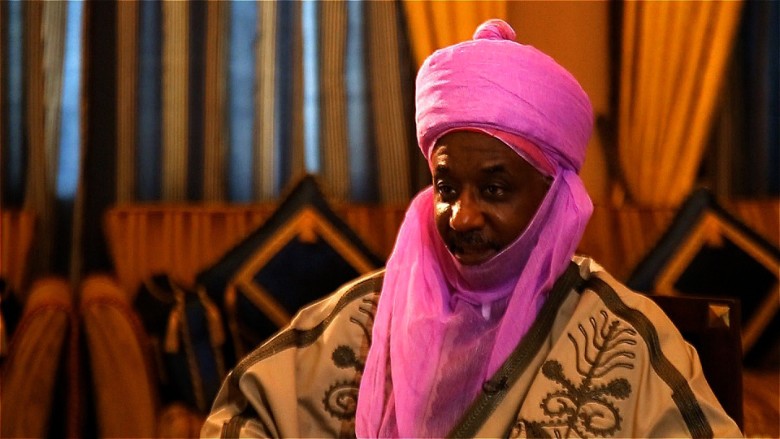
Former Central Bank of Nigeria (CBN) governor and current Emir of Kano, Muhammad Sanusi II, said Tuesday that Nigeria was close to bankruptcy as a result of adverse economic policies such as petroleum products subsidy and electricity tariffs.
Speaking at the 3rd National Treasury Workshop organized by the office of the Accountant General of the Federation at Government House, Kano, Sanusi said President Muhammadu Buhari’s administration should cancel subsidy on petroleum products and electricity tariffs for the economy to be stabilised.
“The country is bankrupt and we are heading to bankruptcy. What happened is that the Federal Government does pay petroleum subsidy, pays electricity tariff subsidy, and if there is rise in interest rates, Federal Government pays,” Sanusi said.
“What is more life-threatening than subsidy that we have to sacrifice education, health sector and infrastructure for us to have cheap petroleum?” he asked.

He argued that “if truly President Buhari is fighting poverty, he should remove the risk on the national financial sector and stop the subsidy regime which is fraudulent”.
President Buhari announced on June 12 that government would over the next 10 years pull 100 million Nigerians out of abject poverty.
But Sanusi said that Buhari must tell Nigerians the fact about the economic situation and also act quickly on it because the nation was already bankrupt.
“Since I have decided to come here, you have to accept what I have said here. And please, if you do not want to hear the truth, never invite me.
“So let us talk about the state of public finance in Nigeria. We have a number of very difficult decisions that we must make, and we should face the reality. His Excellency, the President said in his inaugural speech that his government would like to lift 100 million people out of poverty. It was a speech that was well received not only in this country, but the world-wide,” he said.

He declared that the number of people living in poverty in Nigeria was frightening. According to him, by 2050, 85 percent of those living in extreme poverty in the world will be from the African continent. And Nigeria and the Democratic Republic of Congo will take the lead.
“Two days ago, I read that the percentage of government revenue going to debt services has risen to 70 percent. These numbers are not lying. They are public numbers. I read them in the newspapers. When you are spending 70 percent of your revenue on debt services, then you are managing 30 percent.
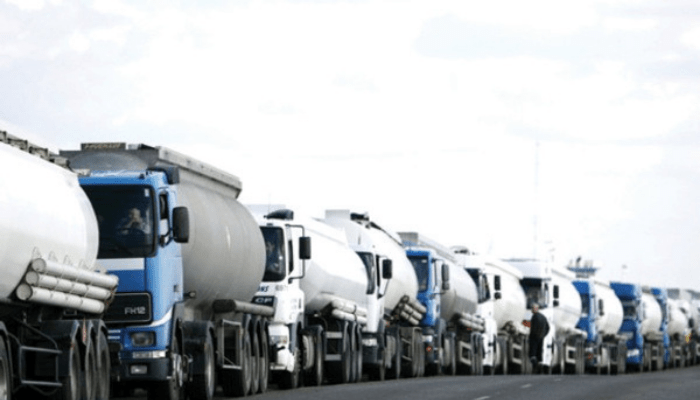
“And then, you continue subsidizing petroleum products; and spending N1.5 trillion per annum on petroleum subsidy! And then we are subsidizing electricity tariff. And maybe, you have to borrow from the capital market or the Central Bank of Nigeria to service the shortfall in the electricity tariff, where is the money to pay salaries, where is the money for education, where other government projects,” he said.
The royal father lamented that for 30 years, successive governments have had this project called petroleum subsidy, insisting that this is the right time to stop it so as to save the nation’s economy.
Speaking during the workshop, the Accountant-General of the Federation, Ahmed Idris, noted that “the overall objective of the workshop is to promote accountability and transparency in all facets of the nation’s public finance and management architecture”.
“It is expected that participants should appreciate that accountability and transparency remain major watchwords for prudent financial management practices and are, therefore, major prerequisite for economic growth and development,” he said.
ISRAEL ODUBOLA