|
Getting your Trinity Audio player ready...
|
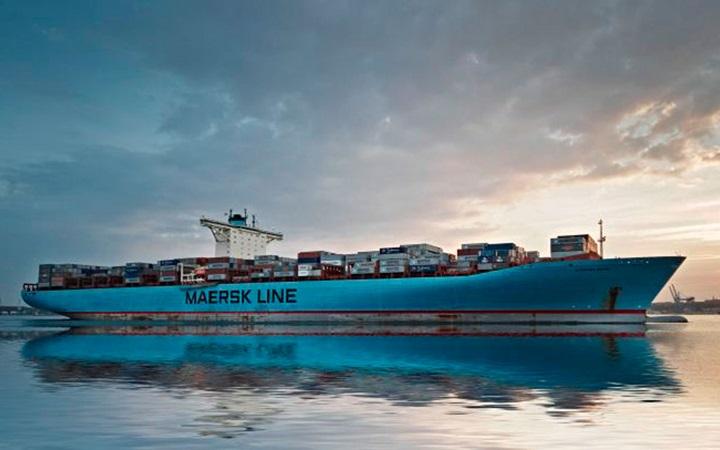
Following the progress made from the introduction of integrated offerings, digital solutions and robust network improvements, A. P. Moller – Maersk said it has grown topline by 43 percent to USD39 billion in 2018, showing an additional USD12 billion in turnover.
“In 2018, we made significant progress in implementing our strategy. With the expected demerger and listing of Maersk Drilling in April, the separation of our energy-related businesses will be almost complete. We have successfully integrated Hamburg Süd, accelerated our digital transformation and come together across sales, customer service, delivery and products as one company with customers at the centre of our attention,” said Søren Skou, CEO of A.P. Moller – Maersk.
According to him, profitability was in line with the latest guidance for 2018, with earnings before interests, tax, depreciation and amortization (EBITDA) of USD3.8 billion, up 8 percent over 2017.
He said that the improvement in operating earnings was driven by higher freight rates, efficiencies gained from the integration of continuing operations, and the acquisition of Hamburg Süd. “EBITDA was lower than initially expected at the beginning of the year, primarily due to an increase in bunker fuel prices not fully recovered by higher freight rates.

“Though, we had a challenging start in 2018 we increased earnings despite significantly higher bunker fuel prices and lower than expected container volume growth in the second half of 2018,” said Skou.
In 2018, the company reduced net interest-bearing debt from USD14.8 billion to USD8.7 billion.
“Following the listing of Maersk Drilling through a demerger and subject to maintaining investment grade rating, details on future dividend policy, capital structure and the distribution of a significant part of the proceeds from the sale of Maersk Oil will be announced no later than August 2019,” he added.
Stating that from 2019, Maersk will apply International Financial Reporting Standard (IFRS) 16, Skou noted that IFRS 16 entails that leases beyond 12 months will be included in the balance sheet as assets and liabilities.
For 2019, Maersk expects EBITDA of around USD5 billion including effects from IFRS 16, and around USD4 billion excluding effects from IFRS 16.

The organic volume growth in ocean is expected to be in line with the estimated average market growth of 1-3 percent for 2019 while guidance on CAPEX is around USD2.2 billion and high cash conversion (cash flow from operations compared with EBITDA) is expected.
Maersk’s guidance for 2019 is subject to considerable uncertainties due to the current risk of further restrictions on global trade and other factors impacting container freight rates, bunker prices and foreign exchange rates.
AMAKA ANAGOR-EWUZIE