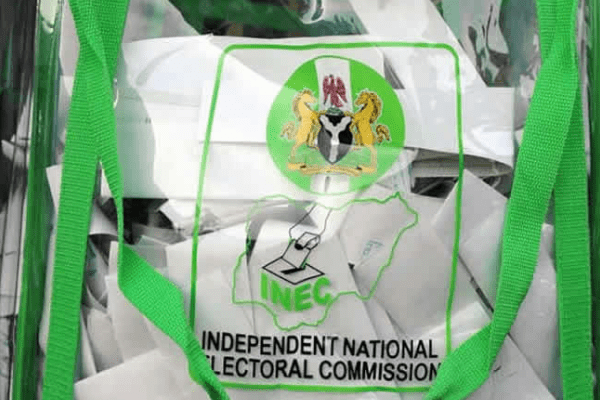
The postponement of the February 16, 2019 elections by INEC is a national planning disaster no matter the excuses given for the action. No doubt, free and fair elections are desirable and that is what Nigerians are craving for to replace the existing selection of candidates among the parties. However, for a country with resources and endowment like Nigeria to postpone elections with its daunting consequences is an affirmation that we are not doing things right and a lot must be done to sail the ship of our nation in the right direction. The giant of Africa is not expected to fail in her preparation given the enormous resources that has been expended and the four years at her disposal for the conduct of the election.
To avert an unwanted loss of service and income, the private sector organisations in Nigeria and as it is all over the world have business continuity plans and disaster recovery management processes. I know this is one of the mandatory compliance departments in the banking and the aviation sectors, just to name a few. The fear of public and social media outcry by customers have made the private business organisations to invest a huge sum of money into preventing or recovering from incidence that could cause service disruption and failure.
Just as a customer dissatisfaction could damage the reputation of a private or public quoted company, INEC postponement of the election had caused immediate and remote reputational damage to Nigeria. INEC had once again justified the reasons why things are not working in Nigeria, why our students can fail their exams at will and how porously unorganised our public institutions are even with huge allocation of taxpayers’ money. The economic loss of the INEC decision includes the cost of the citizens’ economic time, travelling expenses to election locations, loss of business and the emotional agony and distrust in the leadership of the country.
The postponement is a caution notice to foreign investors that things could go wrong irrespective of the rate of return on investments and the potency of the risk mitigating measures in place. INEC had successful expose us as a nation where planning to succeed is difficult than planning to fail. Thus, investors’ confidence in Nigeria is eroded beyond the estimated loss of $1.5billion or 2.5% of the gross domestic products.

INEC had successfully disenfranchised some of the adults with valid permanent voters’ cards in a universal adult suffrage system. A substantial percentage of voters who had travelled to their villages or the place they registered to vote and had the cause to return to their primary place of business will not dare to travel again after five days to vote for the future they are not certain of. This will affect the credibility of the election no matter how perfect the outcome is.
We are a country where everything including mediocrity can be justified. I’m sure the current INEC leadership would have taken solace in the fact that the 2011 and 2015 elections were postponed by the Professor Attahiru Jega’s administration. As comforting as this might appearto INEC, it is a failure on its leaders for nothing identifying what led to the previous postponements of elections and plan to avert it.
Nigerians are without a choice in this situation. We should not be deterred by the inefficiency of our leaders. We should all go out to elect leaders who can at least add to us reasonably even we don’t trust their credibility. Our public institutions’ credibility is in doubt already and all we can do is to elect the best available candidates.
No matter the outcome, the political class and electoral institutions have left much to be desired. The recent claims and counter-claims of plans to rig the elections by the two leading parties are absurd. At a time, the Governor of Ogun state, Ibikunle Amosun claimed his party is planning to rig the state election against his preferred candidate. His claim is an attestation that previous elections must have been rigged in his favour and we should not discard his comments for lack of experience or justifications.
For Nigeria, we need to start the process of reinventing the core business values and ethics of our public institutions starting with INEC. No matter the reasons for INEC’s decision, a child who failed his or her examination after four years of preparation should not be promoted. The INEC chairman and its top aides should take responsibility for this, apologise for the colossal failure and reputational damage done to Nigerians, honourably vacate their positions after the conduct of the 2019 elections or provide an acceptable strategy for moving the INEC forward. If they take the lead and step down, they will set the pace and be the example in the new Nigeria where public officers step down for failure to prevent what is preventable and for lack of current best management practices in serving the people. If they are pardoned given our sentiments, they should provide us with the strategic directions and innovations for INEC. It is obvious with the last week’s event that Mahmood Yakubu’s leadership of INEC had not taken a step ahead of where his predecessor left the enterprise.

The restructured INEC after the election should present a roadmap to ensuring timely and credible elections in Nigeria. We cannot be active social media users and be unable to use technology to conduct elections. The excuses of electronic rigging shouldn’t be a showstopper. We should develop systems and process for securing the electoral database, avert compromise and educate the voters who are substantially uneducated in the current dispensation. INEC should set up a department to see to its business continuity and disaster recovery management process as in the business and private sectors and avoid future postponement that is now a legacy of our electoral process.
For this to happen, a board of trustees with members who have experience in the private sectors could be appointed to oversee INEC’s preparation, process and make valuable input into the INEC contingency plans. This will build a strong institution and reputation for the electoral umpire and avert the postponement of elections which has become the culture rather than the exceptions to the rule.
Babs Olugbemi
Olugbemi FCCA, the Chief Responsibility Officer at Mentoras Leadership Limited and Founder, the Positive Growth Africa. He can be reached on babs@babsolugbemi.org or 08025489396.