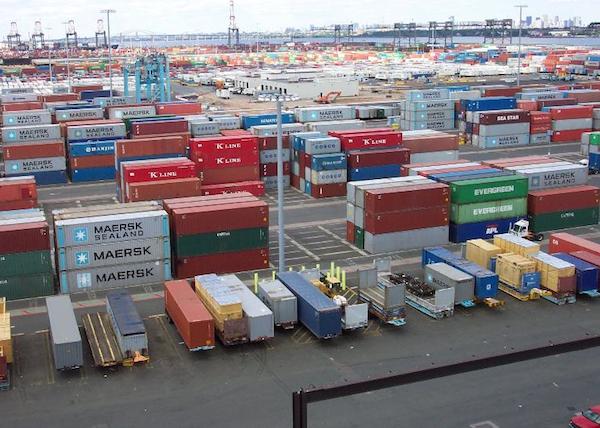
Stakeholders in the maritime sector have listed port congestion, bad state of roads leading to the nation’s seaports and high cost of doing business as major challenges to effective port business in 2018.
According to them, exporters and importers now pay dearly to move their cargoes from either the hinterlands to port cities or port cities to the hinterlands due to the bad roads around the ports as well as the ineffectiveness of the nation’s railway system to serve as alternative means of transportation.
They say the situation degenerated in the year under review as Nigerian importers continued to operate under serious harsh condition given the decay of the access roads to the port, persistent traffic gridlock on roads leading to Apapa and Tin-Can Island Ports and congestion within the port terminals.
Tony Anakebe, managing director of Gold-Link Investment Ltd, a Lagos-based clearing and forwarding company told BusinessDay in an interview that entrance into the port has become a very big problem such that importers now spend as much as N700,000 to load one by 40 feet container to warehouses in Lagos and over N1 million from Lagos to Abuja and states in the East and South-South parts of the country.

Anakebe, who said that importers now spend longer time to clear their containers, added it also takes over three weeks to be able to return the empty container back to the port, and the importer would continue to pay demurrage to the shipping companies.
“The Federal Government has made lots of revenue from the port in 2018. These are monies paid as charges and tariff by Nigerian importers and the service providers also generated reasonable sum in revenue but the importers are the greatest losers because from January till date, every imported goods takes nothing less than one to two months to be cleared. The importer pays duty to the government, demurrage and storage charges to shipping companies and terminal operators and at the end, Nigerians pay back because the importer adds the expended cost into the market prices of the commodities, Anakebe said.
Continuing, he said: “In 2018, a lot of car dealers could not import vehicles because of the high import duty placed on every vehicle that comes into the country. This was why many resorted to importing accident vehicles. There was relative scarcity of foreign exchange because most importers could not have access to forex because some goods were placed under the 41 items prohibited from accessing forex from the official window while those allowed access to forex still finds it difficult to have access to the amount of money required for their business.
Confirming this, Emma Nwabunwanne, a Lagos based importer said that the bad state of the roads leading to the two major economic gateways and indiscriminate packing of trailers on the port access roads, resulted in difficulty in moving containers in and out of the port, and it also led to delayed cargo clearance.
“We had problem with scanning of containers due to the bad state of the machines. Precisely, all containers were undergoing 100 percent physical examination due to the failure of scanning operations by the Nigeria Customs Service (NCS),” Nwabunwanne said.

On cargo evacuation, Jonathan Nicole, president Shippers Association of Lagos State, said that the conventional manner of moving cargo by road using trucks has been the only means of cargo movement in the nation’s port due to the inefficiency caused by lack of investment in the development and maintenance of rail tracks, as well as the long gap in funding railway projects across the six geopolitical zones in Nigeria.
According to him, the Nigerian Railway Corporation (NRC), the agency in charge of developing the system as well as rail operations in the country, has failed to tap into the opportunities inherent in the movement of over 120 million metric tons of cargo available to be moved annually across the country.
AMAKA ANAGOR-EWUZIE