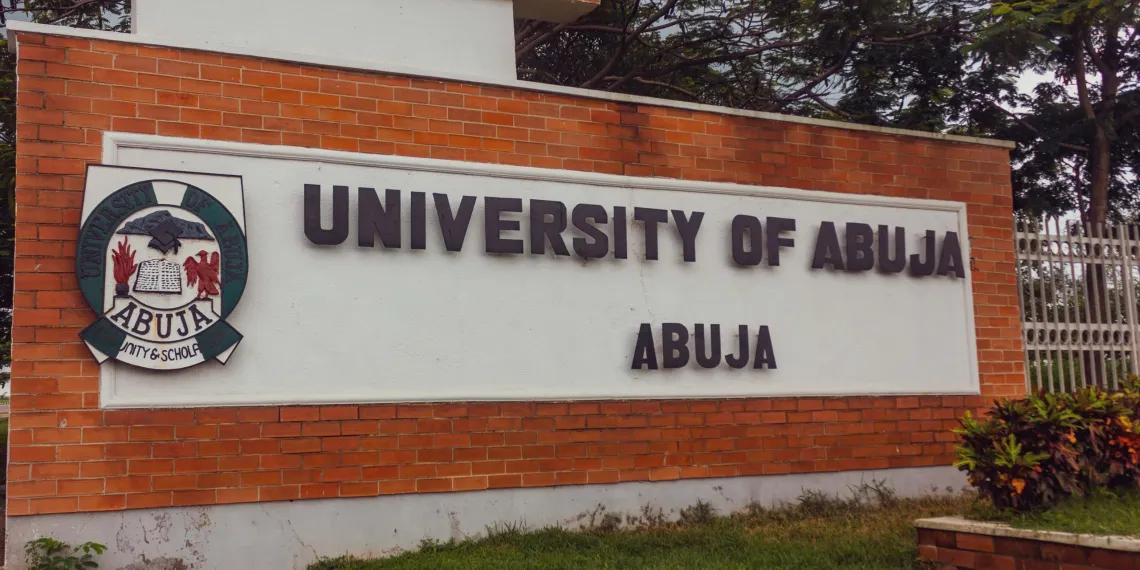
Reactions have continued to trail the University of Abuja’s decision to expel 28 students and revoke the certificates of 15 alumni, with legal and education stakeholders sharply divided over the legality, timing, and broader implications of the sanctions.
Victor Usifo, a legal practitioner, said Nigerian universities have the legal authority to discipline erring students, including expulsion and withdrawal of certificates, for serious offences such as examination malpractice, theft, conspiracy, cultism, drug possession, and falsification of results.
However, he emphasised that such actions must comply with due process.
“The key question is whether due process was followed in the case of the 28 students of the University of UNIABUJA. In many cases, courts have reversed university sanctions because of procedural errors, like a lack of a fair hearing, an improperly constituted disciplinary panel, or violations of students’ constitutional rights.

“In Chiekwe Ikwunze-Esiaga v. University of Calabar & 2 Ors., the court affirmed that school authorities have the right to discipline students, but only when they act within the law,” he said.
Kenneth Irabor, a legal practitioner at Royal Garnet Solicitors, also emphasised that a certificate can be revoked in deserving cases.
Read also: Sule begins construction of 430 housing units for workers in Nasarawa
“If someone enters the university with fake results, which means he is not qualified to enter the university in the first place, and if that is not discovered in his time at the university, and he has been given a certificate, that certificate can be withdrawn.
“But I think also, before a student is prosecuted, he should be allowed to be heard, because universities are grooming grounds for youngsters,” he said.

Irabor further noted that there was a line of cases that say that where a student has committed a crime, the university should not be able to expel or suspend the student, but the student should be tried for a crime.
“The Supreme Court once gave judgment, where they said that the activities of some students were criminal and jailed them,” he noted.
However, he reiterated that going by the ideology of Cyprian Okonkwo, a legal luminary, who once delivered a lecture at the Nigeria Institute of Advanced Legal Studies, and said he didn’t think that the apex court should have had anything to do with the students.
He said, according to Okonkwo, young persons who, due to youthful exuberance, got carried away on campus and in the course of carrying out their protest, committed crimes, should not be treated as criminals.
This, he said, is because in the criminal process, if the students are found guilty, they will be sent to jail, and it will affect their future. Okonkwo would rather students be disciplined by the universities, but not to jail them.
“If such students are prosecuted for one year or two years, they can go back and complete their courses, because this approach is better for the grooming of the student than to treat them as criminals. It’s not good to deal with students through the criminal process,” he said.
However, Jessica Osuere, the chief executive officer at RubiesHub Educational Services, applauded the management of the University of Abuja for their disposition towards such students.
“l’m in total support of the decision. University education is not just about acquiring knowledge; it is meant to shape individuals into responsible, ethical, and disciplined members of society.
“Based on that, acts such as assault, examination malpractice, conspiracy, and theft go against the very purpose of higher education and undermine the integrity of the institution,” she said.
Osuere emphasised that by expelling students and revoking certificates for such offences, the university is simply upholding standards that protect both the value of its degrees and the wider academic community.
“Discipline and accountability are essential in moulding graduates who can contribute positively to society, and such actions send a clear message that misconduct has serious consequences. Kudos to UniAbuja for that,” she said.
While some experts argue that the university acted within its disciplinary powers to uphold academic integrity, others question the transparency of the process and the potential impact on the affected individuals.
Sola Kayode, a Lagos-based civil servant, expressed concerns that the university management should take their cases to court for due processes bearing in mind that democratic governance is all about giving people the right to defend their actions.
Recall that the University of Abuja recently approved the expulsion of 28 students and the revocation of certificates for 15 former students.
The expelled students were found guilty of offences, including assault, examination malpractice, conspiracy, burglary, theft, cult-related activities, drug possession and use, falsification of admission results, and repeated failure to appear before the disciplinary committee.
The institution also withdrew the certificates of the former students for ignoring multiple invitations from the committee.