



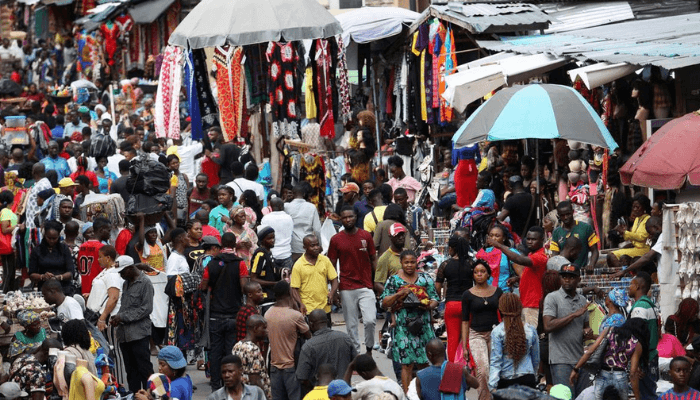
…As citizens reel under stagnant income, low purchasing power
…Call for tangible dividends
Many Nigerians, both in the private and public sector, believe that the nation’s economy is turning the corner through the robust policies of government, but the lived experience of many citizens does not bear the testimony.
Inflation is easing. Food prices are moderating. The naira is recovering. Government officials and economic analysts increasingly speak of stabilisation, even recovery. But beyond statistical releases and policy briefings, millions of Nigerians say their daily reality tells a different story, one where survival still feels like a full-time struggle.

Encouraging numbers, persistent hardship
According to the latest Consumer Price Index released by the National Bureau of Statistics, inflation declined marginally to 15.10 percent in January 2026, from 15.15 percent in December 2025. Even more striking is food inflation, which dropped to 8.89 percent, the first single-digit reading in over a decade.
Read also: Nigeria’s economy turning the corner, but citizens still trapped in hardship
The naira has also strengthened, trading below N1,350 to the dollar in recent weeks, a marked improvement from its historic lows.
These indicators suggest policy interventions, including exchange rate reforms, tighter monetary policy, and import waivers on key commodities, may be yielding results.
But for many Nigerians, stabilisation has yet to translate into meaningful relief.

“Transport alone is draining my salary,” Kunle Ayoola, a young graduate, said. “Even if food prices drop, transport and rent are still up. My salary has not increased.”
Like many salaried workers, Ayoola’s earnings have remained largely static while living costs surged over the past two years.
Housing costs, in particular, have become a major pressure point. Landlords, citing inflation and currency depreciation, have raised rents significantly, forcing many families to relocate to cheaper areas farther from their workplaces.
“I had to move from Gbagada to Ayobo,” said Jamiu Lawal, a middle-aged salary earner. “My rent doubled. Now I spend more money and time on transport.”
Economists often note that inflation slowing does not mean prices are falling, only that they are rising more slowly. For households already stretched thin, the distinction offers little comfort.
Even where prices of staples such as garri and rice have declined due to improved harvests and import waivers, the cumulative impact of earlier price spikes continues to shape household budgets.
This pattern illustrates a key economic reality: recovery in macroeconomic indicators often precedes improvements in household welfare by months or even years.
The income problem
At the heart of the disconnect is stagnant income.
For many Nigerians, wages have not kept pace with inflation over the past two years, resulting in a sharp erosion of purchasing power. Even as inflation slows, households remain trapped in a new, higher cost structure.
“I am earning the same salary I earned two years ago,” said Lawal, earlier quoted. “But everything has doubled since then. So how is the economy better for me?”
Small business owners face similar pressures. Rising input costs, reduced consumer demand, and higher operating expenses have squeezed profit margins.
The recovery of the naira has been widely welcomed, but its impact remains gradual. A stronger currency typically reduces import costs, which should eventually lower prices of goods. However, businesses often adjust prices cautiously, waiting for sustained stability before passing savings on to consumers.
Read also: Nigerians laugh even in hardship; it’s a cultural resilience – Okoeki
A call for tangible dividends
With the third anniversary of the Tinubu administration approaching, many Nigerians say they are less concerned with economic indicators and more interested in tangible improvements in their daily lives.
“We don’t eat statistics,” said Ayoola, earlier quoted. “We want to feel the difference.”
This sentiment is echoed across income groups and professions: economic recovery must translate into affordable housing, lower transport costs, better wages, and improved access to essential services.
For many households, survival strategies remain unchanged, cutting back on non-essential spending, postponing major purchases, and finding additional income sources.
Economic stabilisation is often a gradual process. The easing of inflation, currency recovery, and improving fiscal indicators may signal that the worst is over.
But for ordinary Nigerians, recovery will only be meaningful when it reshapes daily life, when salaries stretch further, when rent becomes manageable, and when basic necessities no longer feel like luxuries.




