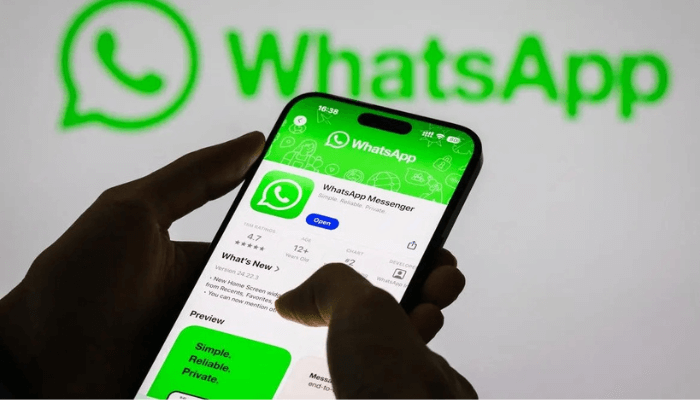
Russia has ordered a nationwide block on WhatsApp, cutting off one of the country’s most widely used messaging services as the Kremlin deepens its control over the digital space.
The move affects more than 100 million users in Russia and marks one of the most significant steps yet in Moscow’s effort to steer citizens toward a state backed alternative known as Max.
Read also: Russia calls for respect of international laws in multipolar era
Meta owned WhatsApp said the decision appeared designed to push users onto a government controlled platform “Trying to isolate over 100 million users from private and secure communication is a backwards step and can only lead to less safety for people in Russia,” the company said in a statement.

Dmitry Peskov, Kremlin spokesman defended the action, telling the BBC that it was taken because of Meta’s “unwillingness to comply with the norms and the letter of Russian law”. He said the company could resume operations if it “complies with the law and enters into dialogue”.
Asked whether the authorities were seeking to force Russians to use the Max app, Peskov described the national messenger as “an available alternative”.
Read also:Russia, US nuclear arms reduction pact ends
Russia’s internet regulator Roskomnadzor said this week that it was also tightening restrictions on Telegram, citing concerns about security. Telegram is highly popular in Russia and is widely used, including by Russian forces in Ukraine. Some pro war bloggers have complained that the new limits are disrupting communications on the ground.
The crackdown did not begin overnight. Even before the full scale invasion of Ukraine in 2022, Russian authorities had begun building what they called a sovereign internet, designed to reduce dependence on foreign technology. Since the war began, that effort has gathered speed. A central part of the strategy has been the promotion of Max, a state backed messaging platform now widely advertised on television and billboards across the country.

Critics say Max could allow greater surveillance by the authorities, an allegation state media strongly reject. Since 2025, the government has required that the app be pre-installed on all new devices sold in Russia. There have also been reports that public sector employees, teachers and students are being encouraged, and in some cases required, to use it.
Read also: Prisons under strain as nearly 2 of every 3 inmates awaiting trial
Moscow argues that WhatsApp and Telegram have failed to store Russian users’ data inside the country as required by law. Officials also claim that WhatsApp has been widely used for fraud and extortion, and say the restrictions are meant to protect citizens.
Earlier this year, state run news agency Tass reported that WhatsApp was expected to be permanently blocked in 2026. Andrei Svintsov, a Russian official, said “such harsh measures are absolutely justified” because Meta has been designated an extremist organisation in Russia.
Meta was labelled extremist in 2022. Since then, Facebook and Instagram have been blocked and are accessible only through virtual private networks. Russians are not formally banned from using Meta products, but access without VPN services has been severely limited.
Digital rights group Na Svyazi has reported that authorities have removed a growing number of sites from the state controlled internet address directory. According to the group, 13 major platforms including YouTube, Facebook, Instagram, WhatsApp web, the BBC and Deutsche Welle no longer appear in the national system, meaning they cannot be accessed without a VPN.
According to BBC, Pavel Durov, Telegram chief executive accused the Russian state of trying to force citizens onto a platform that would allow surveillance and political censorship. “Restricting citizens’ freedom is never the right answer,” he wrote online.
The battle over messaging apps has become a new front in a wider struggle over information and control. For many Russians, the immediate impact is simple and personal: a familiar way to speak to family, friends and colleagues has gone dark.