For decades, Saudi Arabia had a message to foreign visitors that was clear: come for pilgrimage, contracts or conferences and not for leisure. Alcohol, banned since 1952, was both a legal prohibition and a cultural signal about where the kingdom drew its red lines.
That line is now being cautiously redrawn.
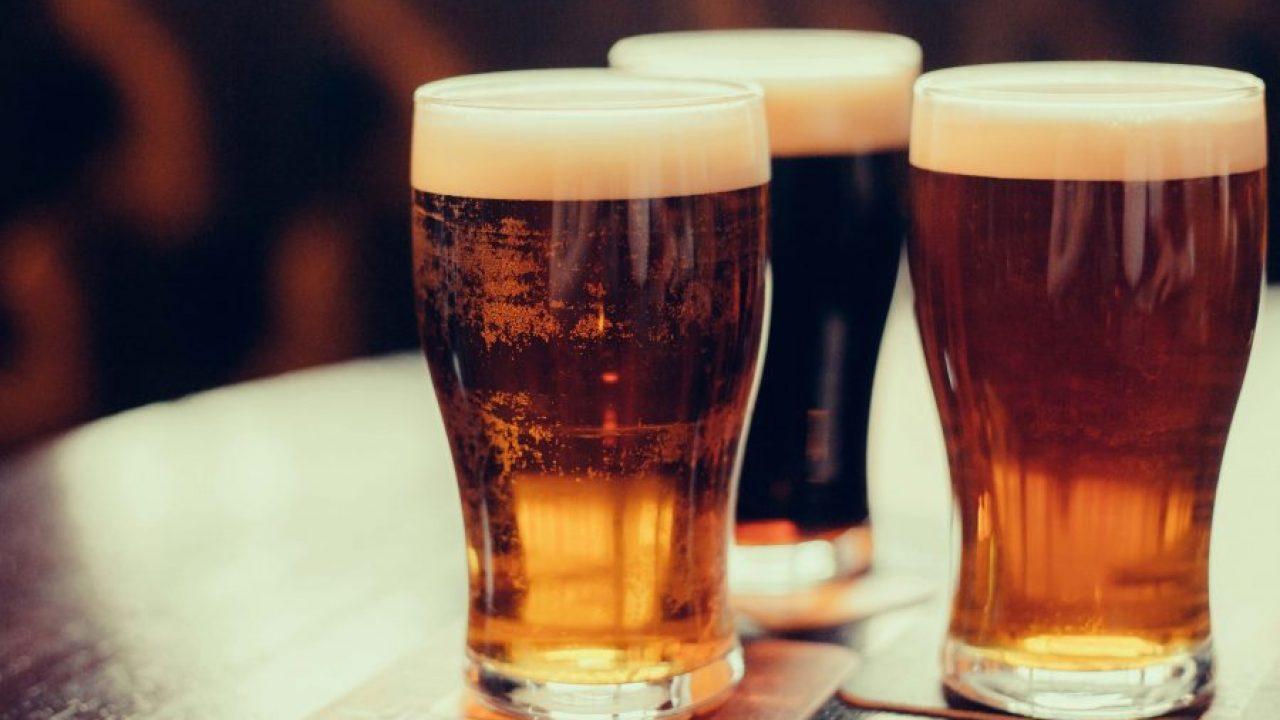
Without public announcement, Saudi authorities have begun allowing wealthy non-Muslim foreign residents to buy alcohol from a tightly controlled outlet in Riyadh. What looks like a niche policy tweak is, in reality, part of a broader recalibration of Saudi Arabia’s tourism and expatriate strategy, one that will shape how the kingdom presents itself ahead of hosting the FIFA World Cup in 2034.
The store, located inside Riyadh’s Diplomatic Quarter, initially served only non-Muslim diplomats when it opened in early 2024. By late 2025, access was quietly expanded to include affluent foreign residents, specifically Premium Residency holders and expatriates earning at least 50,000 riyals ($13,300) a month.

This is not liberalisation in the Dubai sense. Phones are sealed at the door, purchases are capped by a points-based quota system, prices are steep and tourists are excluded. But symbolically, the shift matters.
Saudi Arabia is testing how far it can widen its tourism net without triggering social backlash, and alcohol, long treated as untouchable, is one of the most sensitive indicators of that balancing act.
Tourism ambitions meet economic reality
The policy shift comes at a moment of pressure for the Saudi economy. Oil prices, hovering around $60–66 a barrel, are far below the post-Ukraine invasion highs of 2022. Despite diversification efforts, hydrocarbons still account for roughly 40 per cent of government revenue, according to IMF estimates.
Vision 2030, Crown Prince Mohammed bin Salman’s blueprint to remake the economy, depends heavily on tourism growth. The government says Saudi Arabia welcomed nearly 30 million international visitors in 2024, more than half for non-religious travel. By 2030, the target is 70 million foreign tourists annually, with tourism’s GDP contribution doubling to around 10 per cent.

That ambition requires attracting not just pilgrims, but Western leisure travellers, long-stay expatriates, investors and global talent, groups accustomed to certain lifestyle norms.
The quiet easing of alcohol access is best understood in that context. It is less about drinking culture and more about signalling comfort to high-value visitors who might otherwise choose Dubai, Doha or Manama.
Saudi Arabia’s regional competitors already offer that comfort. Dubai, in particular, has built a $30bn-plus tourism economy on liberal social policies layered over Gulf conservatism. Riyadh has no intention of copying that model wholesale. But it is increasingly aware of the cost of not adapting at all.
A controlled experiment, not a culture shift
Analysts see deliberate ambiguity in how the policy has been rolled out. There has been no government statement, no official guidance and no public debate. Access spreads by word of mouth. Even the store’s location is absent from online maps.
This opacity gives policymakers room to reverse or refine the experiment if public sentiment hardens. Religious conservatism remains strong, particularly outside major cities, and alcohol is still viewed by many Saudis as a social taboo.
Yet enforcement reality has long diverged from official policy. Alcohol circulated quietly for decades, via embassies, private compounds and informal markets. The difference now is that the state is stepping in to regulate, tax and control consumption, rather than pretending it does not exist.
Hospitality executives say preparations are already underway for further easing. Several international hotel groups have begun hiring staff with bar and beverage experience, anticipating that alcohol service could be permitted in specific zones — particularly Red Sea resorts and heritage destinations such as Al-Ula.
If that happens, it will almost certainly follow the “designated venue” model seen in Qatar, where alcohol is confined to hotels and fan zones rather than public spaces.
The 2034 World Cup question
All of this feeds directly into the question hanging over Saudi Arabia’s hosting of the 2034 FIFA World Cup: what kind of experience will fans be offered?
Qatar’s 2022 tournament provided a template. Alcohol was available in five-star hotels and controlled fan areas, but banned inside stadiums. The compromise satisfied FIFA while preserving domestic red lines, though not without controversy.
Most analysts expect Saudi Arabia to adopt a similar approach. Even if tourists are allowed broader access to alcohol by 2034, it is highly unlikely to be sold freely at matches or public celebrations.
But expectations matter. Football fans plan years ahead. Travel operators, sponsors and broadcasters price risk early. The signals Saudi Arabia sends now, even through small policy shifts, shape perceptions of whether the kingdom will feel welcoming or restrictive.
In that sense, the Riyadh liquor store is less about whisky than about credibility.
Gradualism as strategy
Saudi officials have repeatedly stressed that social change must be gradual. The government has already pushed boundaries by reopening cinemas, hosting global music festivals and reducing the powers of religious police — reforms that would have been unthinkable a decade ago.
Alcohol remains one of the final frontiers.
By limiting access to wealthy foreigners, authorities are insulating the reform from mass exposure while learning how the system works, administratively, socially and politically. It is a familiar Saudi pattern: pilot quietly, expand selectively, retreat if necessary.
Whether that gradualism can keep pace with the demands of a $1trn tourism strategy, and a World Cup watched by billions, is the real question.
For now, Saudi Arabia is signalling that it wants in on global tourism flows, but strictly on its own terms. The world, and football fans in particular, will be watching how far those terms stretch by 2034.