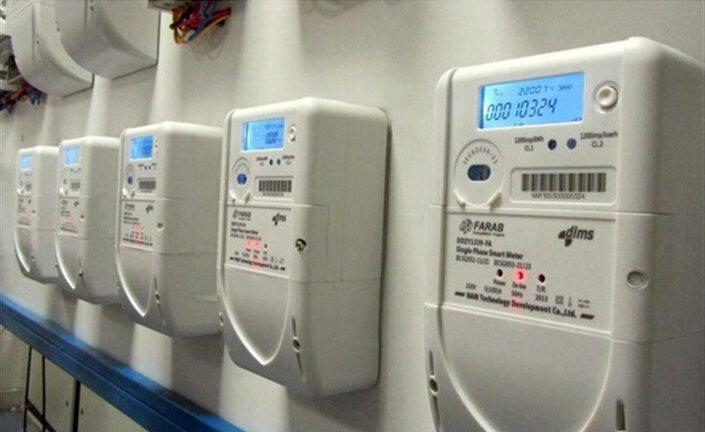
Nigeria’s electricity distribution companies are locked in a dispute with the Bureau of Public Enterprises (BPE) over funding for the country’s ambitious meter rollout programme, raising questions about whether consumers will ultimately bear the cost of closing a years-long infrastructure gap.
Ayodeji Gbeleyi, director general of the BPE, reiterated that customers should not be expected to pay for electricity meters, even as distribution companies, known as DisCos, maintain they are financing the equipment through extended payment arrangements that will be recovered through tariffs.
“Let me re-emphasise that customers are not meant to pay for meters,” Gbeleyi said at an industry event following an inspection visit with the power minister to Apapa port, where over 600,000 meters have been received. “We’ve also installed about 75,000 meters free of charge.”
The disagreement centers on how to interpret the financing structure for meters intended to bridge Nigeria’s significant metering gap. An estimated 5.5 million electricity customers across the country remain unmetered, forcing them to pay estimated bills that consumer groups have long criticised as arbitrary and inflated.

The BPE maintains that two major initiatives will deliver meters at no direct cost to consumers. The first programme aims to distribute 3.2 million meters, while a second initiative led by the special adviser to the president on energy, under the Presidential Metering Initiative, targets an additional 2.61 million units.
However, DisCos have pushed back against the notion that they are providing free meters, arguing that the equipment represents an investment they will recover over a 10-year period through regulated electricity tariffs, the same mechanism used to recoup other capital expenditures.
“We’ve heard some push-back where some said the DisCos are paying for the meters over ten years,” Gbeleyi acknowledged. “The truth is, every component of investments that goes to the DisCos get recoup through the electricity tariff.”
The BPE chief argued that whether the investment is in transformers, feeders or meters, consumers ultimately pay for equipment through their electricity bills. The critical distinction, according to Gbeleyi, lies in the favorable financing terms secured by the federal government.
Read also: 5.3m unmetered customers caught in DisCo-FG standoff

Unprecedented financing terms
What distribution companies aren’t emphasising, Gbeleyi said, is that the federal government negotiated what he described as one of the most favourable loan facilities in Nigeria’s power sector history, a 20-year loan with a five-year principal moratorium and two-year interest moratorium.
“We’ve never seen that level of capital lending in the history of Nigeria’s power sector,” he said, suggesting the concessional terms represent substantial government support that should shield consumers from direct meter costs.
The financing arrangement effectively creates a grey area: while meters are technically ‘free’ in that customers don’t make upfront payments or separate meter charges, the cost recovery through tariffs means consumers indirectly fund the infrastructure over time. The question becomes whether the favorable loan terms reduce this burden sufficiently to justify the ‘free’ designation.
Metering gap persists
Nigeria’s metering deficit has plagued the power sector for years, contributing to revenue losses for distribution companies and widespread consumer dissatisfaction.
Without meters, DisCos rely on estimated billing, which often bears little relation to actual consumption and has fuelled accusations of extortion.
The rollout of over five million meters through the two programmes represents a significant step toward addressing this gap, though execution has lagged behind announcements. While 600,000 meters have been received at Apapa port, only 75,000 have been installed to date, highlighting the implementation challenges that have historically hampered Nigeria’s power sector reforms.
Industry analysts say the semantic dispute over whether meters are truly ‘free’ matters less than whether the programmes will finally provide accurate billing for millions of Nigerian households and businesses. Previous meter distribution initiatives have fallen short of targets amid funding constraints, procurement delays and coordination problems between federal agencies and distribution companies.
Regulatory implications
The disagreement also raises broader questions about how infrastructure investments in Nigeria’s privatised electricity distribution sector should be financed and characterised to the public. While DisCos operate as private entities, they remain heavily dependent on government intervention for capital projects and continue to be regulated by federal authorities who set tariffs.
The Nigerian Electricity Regulatory Commission (NERC), which oversees tariff setting, has not publicly weighed in on the dispute. How the regulator treats meter costs in future tariff reviews could determine whether the BPE’s characterisation of ‘free’ meters holds up or whether DisCos succeed in explicitly passing costs to consumers.
For now, Nigerian electricity customers can expect more meters, even if the question of who’s really paying for them remains contested between government and industry.