…FMN remains dedicated to its mission of feeding and enriching lives, every day
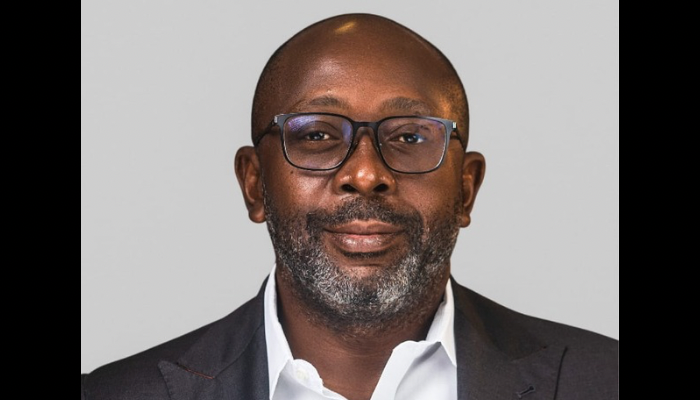
Boye Olusanya, the Group Chief Executive Officer of Flour Mills of Nigeria (FMN), speaks about the company’s remarkable journey and contributions to Nigeria’s industrial development. With over six decades of operations, FMN has established itself as a leading food and agro-allied company in Africa, driven by its commitment to feeding and enriching lives.
FMN’s impact on Nigeria’s economy is multifaceted. The company has invested heavily in local agribusiness, supporting over 400,000 farmers nationwide through its outgrower program and agronomy support systems. This initiative has boosted local cultivation and production, creating value for smallholder farmers while reducing reliance on imports.
Under Olusanya’s leadership, FMN has maintained its focus on innovation, sustainability, and community empowerment. The company’s sustainability approach is guided by four pillars: governance, economic, social, and environmental, aligning with UN SDGs and ESG principles. FMN has also joined initiatives like the African Business Leaders Coalition and the UN Global Compact, reinforcing its commitment to sustainable development and climate action

What role has FMN played in shaping Nigeria’s industrial development through its investments and contributions over the years?
FMN’s role in Nigeria’s industrial development is numerous and invaluable, dating back to the founder George Stavros Coumantaros’ first encounter with Nigeria in 1959. The Company was incorporated as a Nigerian company on 29th September 1960, just two days before Nigeria’s Independence Day. Over six decades later, FMN has proven to be an invaluable ally to Nigeria’s development. Notably, in 1972, the Group made its first investment outside of flour milling, in the Nigerian Bag Manufacturing Company (BAGCO), which today remains a national pacesetter in providing innovative packaging solutions in Nigeria. With over 42 years of heritage, BAGCO has become the leading packaging solution in Nigeria, supporting the industrial and agricultural sectors of the Nigerian economy.
How has FMN’s investment in local agribusiness and value chains contributed to Nigeria’s food self-sufficiency and the company’s growth?
In 1978, FMN ventured into the agribusiness space with the acquisition of a 10,000-hectare farm in Kaboji, Niger state, as part of an investment and expansion strategy designed to create value in the supply chain and reduce the reliance on imported raw materials. Since then, the Group has made substantial investments in the primary processing of locally grown soybeans, palm fruit, cassava, maize, sugar cane, sorghum, and the storage, aggregation, and distribution of locally sourced grains. Our growth strategy has always been content localization for the purpose of driving food self-sufficiency in Nigeria and across the continent. We have kept to this commitment by impactfully investing across all our value chains (Grains, Wheat, Sweeteners, edible oil, protein/animal feeds, and cassava starch). We remain dedicated to our mission of providing high-quality products to our consumers and customers while fulfilling our purpose of Feeding and Enriching their lives, Every Day.
How has FMN’s commitment to its founding principles influenced its growth and innovation in the food and agro-allied industry?

We have ingrained our founding principles into the company’s culture, with our people living the purpose of Feeding and Enriching Lives, Every Day. This mission drives us to create superior brands, such as the iconic FMN ‘Golden Penny’ brand, and implement initiatives that support our stakeholders. From a single flour milling company to a leading brand in Africa’s food and agro-allied industry, we have consistently driven growth through innovation. By asking the right questions, we have achieved notable results across our value chains and business verticals. Our unwavering commitment to process and product innovation has enabled us to stay true to our founding principles, fueling our passion to continually improve and be better every day.
What specific benefits has FMN’s consistent investment in local value chains brought to Nigeria’s agricultural sector and smallholder farmers?
FMN has a strong and emotive heritage with Nigeria, having partnered in the country’s growth and development. The company approaches market volatility with an agile business strategy, balancing flexibility with its founding principles. FMN has consistently invested in its value chains, including Grains, Wheat, Sweeteners, edible oil, protein/animal feeds, and cassava starch, boosting local cultivation and production, and creating value for smallholder farmers while reducing reliance on imports.
How has FMN’s knowledge transfer and human capital development contributed to its resilience and adaptability in the face of market volatility?
At FMN, we believe knowledge transfer and utilization are crucial for impactful solutions. Our people are key to this, so we continually enhance their capabilities and leverage existing efficiencies. As market volatility is inevitable, especially for businesses reliant on external resources, building resilience and agility is essential. We’ve done this for six decades, assessing our resources, planning for the short and long term, and utilizing information to boost global competitiveness and ensure business sustainability.
Read also: Flour Mills: 65 years of feeding, enriching lives
How has FMN’s shared value model and strategic investments in local agriculture contributed to the livelihoods of Nigerian families and the country’s economic development?
FMN’s strategic move aims to create supply chain value and reduce reliance on imported raw materials. We’ve invested in processing locally grown crops and storing/distributing local grains. Collaborations with stakeholders have expanded our market share and business size over six decades. Our operations support livelihoods of millions of Nigerian families across 36 states and the FCT. We prioritize shared value, ensuring stakeholders benefit at various levels.
What benefits does FMN expect from its new vertical business model and delisting from the Nigerian stock exchange, and how will it impact its Pan-African ambitions and Nigeria’s food security?
FMN remains committed to producing high-quality outcomes, with a vision to expand its brands across borders. In 2024, the company initiated a strategic move to drive its Pan-African ambitions while supporting Nigeria’s food security goals. This led to the Group’s delisting from the Nigerian stock exchange on December 30, 2024, streamlining operations and enabling agility in a rapidly evolving market. FMN adopted a vertical business model with six entities: Golden Penny Foods Ltd, FMN Agro Ltd, Golden Sugar Company Ltd, BAGCO Packaging Solutions Ltd, Apapa Bulk Terminal Limited, and FMN Holdings Ltd.
What key factors drove this diversification?
This transition is expected to unlock operational efficiencies and provide greater latitude for strategic investments by streamlining decision-making and allowing FMN to swiftly adapt to market opportunities and challenges. With Nigeria as its headquarters, FMN’s restructuring positions the company as a more agile player on the African stage. The company’s focus on strengthening local supply chains and driving innovation aligns with its Pan-African growth strategy, aiming to extend its footprint across the continent. The Group’s transformative journey reflects a business deeply intertwined with Nigeria’s economic aspirations. From local content development to supporting agricultural ecosystems, the Group continues to uphold the highest standards of corporate governance while adapting to new challenges and opportunities. In an era of global uncertainty, FMN’s focus remains resolute: to drive sustainable growth, create shared value, and maintain its legacy as a cornerstone of Nigeria’s industrial and economic fabric. This restructuring is not the end of an era but the beginning of a new chapter—one defined by innovation, resilience, and a Pan-African vision that will carry FMN into the future.
How has FMN incorporated new technologies and innovations into its operations over the years?
Emerging and existing data depict that brands that are successfully and sustainably competing in different sectors are brands that are constantly innovating across various focus areas. At the heart of all our processes is the vision of becoming the leading Food Company in Africa, enriching lives with quality brands. To be consistent with this vision, we are constantly renewing our commitment to providing our consumers with superior-quality products that enrich their lives every day. We are not just creating products, we are also creating value, resources, and experiences that allow for long-term growth in line with global best practices and standards. As stated earlier, our technological utilization in the business is across all our focus areas, from operations to supply chain and secondary distribution network. We are also actively making our product available on e-platforms to enable easier and faster purchases wherever and whenever the consumer deems fit to do so.
How is FMN leveraging technology, such as AI and data analytics, to drive efficiency and sustainability in its operations and supply chain management?
In line with our local content development mandate to minimize dependency on imported raw materials, we are introducing smart farming techniques like smart irrigation and the utilization of improved seedlings. Also, with the progress made in artificial intelligence, our ERP processes will be an applaudable shift towards automating our processes, thus improving process effectiveness and appropriate time utilization. We also apply data analytics across our supply chain management. Every day, we gather and analyze data on consumer trends, raw material inventories, and retail sales to fine-tune our operations. Recently, we leveraged a digital distribution platform known as OmniRetail to bring real-time visibility into our markets. This platform connects our warehouses and trucks directly to tens of thousands of retailers, giving us live data on demand trends, stock levels, and customer preferences.
What impact has this had on the Company’s efficiency and productivity?
FMN drives holistic growth through consumer-tailored innovations, introducing new products that cater to daily nutrition needs. Golden Penny Foods offers superior quality products like Amaizing Day cereal, Chocoh spread, and noodles, nourishing families every day. Our Agro business promotes sustainable growth through content localization and product innovation, launching new variants like Pro-line for chicken farmers and refreshing Golden Fertilizer packaging. These efforts enhance product visibility, customer affinity, and brand experience, creating brands that meet global standards and consumer needs.
How has FMN’s approach to corporate social responsibility (CSR) changed over the years? What initiatives has the company undertaken to give back to the community?
I would say that the Company’s approach to Corporate Social Responsibility has been progressively transformative. Our CSR efforts are what we call the ‘Feeding Possibilities’ agenda because we creatively and strategically make investments that will better the lives of our people in line with identified need areas. We have undertaken a myriad of Corporate Social Responsibility (CSR) initiatives, spanning education, healthcare, and infrastructure development, aimed at enriching the lives of those we serve. We have continued to significantly invest in enriching the lives of our people from our host communities and across the Nation.
How has FMN’s focus on diversity, inclusion, and women empowerment through initiatives like the FMN Women Network contributed to the development of girls and women in Nigeria?
Noteworthy endeavors include the 2023 Skill Acquisition and Scholarship award program, sustained maintenance of a vocational center since 2017, for children living with special needs, and crucial donations of medical supplies to healthcare facilities. Diversity and Inclusion remain a top priority and fundamental principle at FMN. Other noteworthy vehicles through which we feed possibilities are through the FMN Women Network (FMNWN), a women-led developmental program designed to drive significant investment in girls’ and women’s development. For instance, the FMNWN ‘Girls in Action’ initiative by the Network allows for deliberate and impactful efforts by the FMN women to inspire girls and help them become better people for themselves and their communities. It also gives the FMN woman an opportunity to embrace equity by identifying the strengths of these young girls and giving them the required support to thrive in those areas.
What specific impact has the FMN Feeding Possibilities agenda had on promoting education, innovation, and food sustainability in Nigeria, particularly through initiatives like the FMN Prize for Innovation and the George S. Coumantaros Foundation?
We are building a strong support community for girls and women across Nigeria. Another noteworthy initiative for the FMN Feeding Possibilities agenda is the FMN George S. Coumantaros Foundation, a program that allows the business partner noteworthy institutions like the American Farm School and Perrotis College to offer postgraduate scholarships to deserving Nigerians. Through the Foundation, the Company has invested over N115,000,000 (€46,800) in the education and upskilling of select Nigerians through postgraduate studies. We also have the FMN Prize for Innovation, an initiative designed to encourage new ideas and innovations in the Food and Agro-allied sector in Nigeria and across the continent, and how these can impact and enable sustainable food systems in Nigeria.
How has the FMN Prize for Innovation identified and supported local innovators in Nigeria, and what impact has this had on food production and processing in the country?
The FMN Prize for Innovation (PFI) is a strategic and deliberate effort geared toward revolutionizing and attaining food sustainability in Nigeria, and eventually across Africa. The Group, through this tech-table initiative, launched the PFI to seek out, identify, and support innovators who are reinventing food production and processing in Nigeria. Since its inception in 2021, the Group has financially, technically, and strategically supported eight Innovators and Businesses, investing over N200,000,000 (Two Hundred Million Naira). As stated earlier, these are to mention but a few examples because at the core of our business existence is the principle of shared value for all our stakeholders and the unwavering commitment to not just Feed the people but also Enrich Their Lives Every Day.
What were some of the biggest challenges FMN faced in its early years, and how did the company overcome them to achieve its current status?
The Company’s challenges are not peculiar as they relate to other players within our sector. Continuing to adjust, adapt, and strategically respond to trends in regional and global economies―let’s remember that there are ongoing regional and global supply chain disruptions, geopolitical instability as well―these will be decisive for any business, including us. The volatility in the business environment due to unstable macroeconomic indices affects product pricing, and as a consumer-centric business, pricing will always be an integral part of our market mix. Finally, I would also note that the issue of the decline in human capital affects know-how, especially in technical areas like Engineering and finance. I can categorically state that we are already addressing these issues as they emerge. We have maintained an applaudable level of commitment to local content development, and I have cited some notable facts earlier on how we are proactively creating sustainable systems that will ameliorate the effects of these challenges on the business.
What specific strategies has FMN implemented to reduce its environmental impact, and how do these efforts align with the UN SDGs and ESG principles?
FMN’s sustainability approach is guided by four pillars – governance, economic, social, and environmental – integrating sustainability into our business model. We prioritize financial prosperity alongside societal and environmental well-being. Our corporate ethos recognizes our responsibility to operating communities, aligning with UN SDGs and ESG principles. We’re committed to reducing carbon footprint, conserving resources, and embracing renewable energy. For example, we’ve invested in low-carbon energy and implemented a waste-to-landfill program, achieving a 35% reduction since inception, aiming for zero waste in five years.
How does FMN plan to leverage innovation and strategic partnerships to drive its growth and expansion as a leading food company in Africa?
FMN aims to be Africa’s leading food company, enriching lives with quality brands through innovation. We prioritize process and systems thinking to drive innovation and synergy, building seamless processes and connected systems. This enables us to anticipate risks and opportunities, designing responses that benefit the entire enterprise. We’re enhancing global competitiveness through new product launches, strategic partnerships, human capital development, and sound diversification.