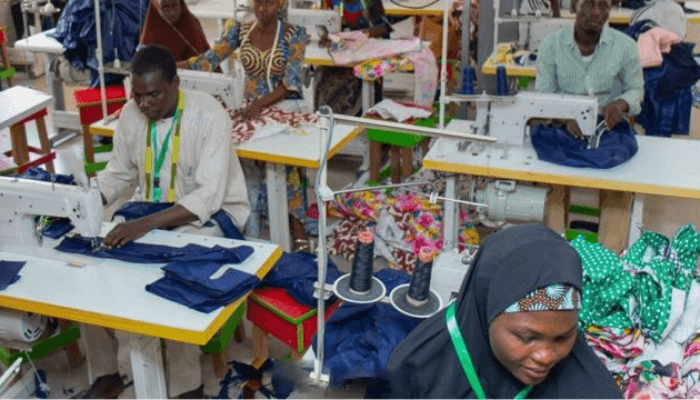
It begins in a modest workshop in Ibadan, where Temilade Ogunbiyi, founder of Temmy’s Cocoa Crafts, carefully replicates the pattern of a premium Ghanaian bar, stamping each “Made in Nigeria” motif into dark chocolate.
Three years ago, the only way she could move a crate was via hand-carry; today, she ships abroad, albeit in small batches. Temilade is one of the quiet revolutionaries, the entrepreneurs who are turning raw materials, tradition and creativity into business momentum.
Now, this revolution gets a front-row seat through the new partnership between Providus Bank and BusinessDay’s Go Local initiative – starting this November and for the next five years. As Nigeria repositions itself as a value-adding economy rather than a raw-goods exporter, this alliance offers more than promotion: it offers the ecosystem, infrastructure and access that micro, small and medium enterprises (MSMEs) have long lacked.
Why This Matters Now
Nigeria is blessed with an abundance of raw materials: cocoa, leather, cotton, palm oil, kola nuts, and shea butter. Yet, too many of these leave the country in their unrefined state, while the finished products from other countries command higher margins, global brands and export recognition.

The Go Local mission is to flip that script – and Providus Bank brings the financial muscle and digital platform to make it possible.
The bank is no passive partner. Since 2020, Providus’s flagship SME programme (in partnership with the Enterprise Development Centre, EDC) has supported more than 300 businesses, with the fifth cohort launched in January 2025, expanding into Abuja. Its SoftPOS and digital payment solutions launched in 2025 aim to bring the next million SMEs into the formal payment economy.
With this partnership, the ingredients – capital, mentoring, digital tools, market access – are being aligned.
From Heritage Material to Global Brand
For Temilade, the journey has involved sourcing cocoa beans from Ondo and Cross River, establishing a micro-refinery, mastering flavour profiling and packaging, then passing Nigerian export quality tests. What once seemed artisanal has now formalised into a business.
She opens her laptop, checks her export license, updates her inventory and notes the Providus SME programme alumni portal for new training modules.

“The value is in what we finish, brand and own,” she says. “We are moving from handing off the raw to owning the story.”
Her story represents the type of enterprise the partnership aims to elevate: not simply local manufacturing, but heritage-driven manufacturing, backed by formal banking, mentoring, and market pathways.
Bank of the Maker
At Providus, the SME initiative is deeply aligned with the bank’s DNA. Speaking at their fifth-anniversary event, DMD Kingsley Aigbokhaevbo emphasised that 95 % of Nigerian startups fail within five years – and that the bank’s role is to help tilt those odds by offering funding, infrastructure and digital reinforcement.
Moreover, the ASPAMDA branch launch in September 2025 (servicing the Auto Spare-Parts & Machinery Dealers Association) underlines a strategy of embedding banking solutions where commerce happens.
For Go Local, this means that artisans, makers and creative businesses – often sidelined by traditional banking – now have a financial partner intent on their growth.
The Partnership In Action
Starting this November, the Go Local – Providus Bank collaboration will play out across three key fronts:
Featured MSMEs: Each edition will spotlight entrepreneurs transforming local raw materials into finished products – leather goods, artisanal butter, textile brands, cocoa beverage start-ups.
Digital Payment & Banking Workshops: Leveraging Providus’s SoftPOS and NFC kit, MSMEs will be invited to training sessions on digital receipts, traceability, payments and banking for growth.
Growth Ecosystem Forum: At the Go Local Summit and beyond, Providus will support matchmaking between makers and investors, offer SME financing clinics, and create a “BusinessDay-Providus” brand label for featured enterprises.
What MSMEs Must Prepare
If you are a maker of local-materials-based products and want to tap into this partnership, here are key readiness steps:
Formalise your business: Register with the Corporate Affairs Commission (CAC), obtain your Tax Identification Number (TIN), and keep basic financials. Digital banking readiness is critical.
Define your value-add chain: From raw sourcing to finished product, document your process, traceability, cost structure and brand differentiation.
Adopt digital payments: Enable SoftPOS, QR payments, smartphone-based terminals – a signal you’re ready for scale.
Craft the story: Local origin + refinery + finished good = unique proposition. Be ready to articulate it.
Seek mentoring & growth capital: Leverage training and financing opportunities through Providus’s SME programme cohorts.
A Vision for the Future
In a few years, Nigeria could have shelves in Lagos, London and Dubai bearing “Crafted in Nigeria” labels – not just on textiles, but on chocolates, cosmetics, leather accessories, processed foods.
As the Go Local narrative gains traction, this partnership could help transform Nigeria’s economic structure: from raw exporter to value-added manufacturer, from artisan hustle to brand leader.
For Temilade and many others, it means growth, dignity, job creation and global recognition. For Providus Bank, it means being the financial home of the new Nigeria-maker economy. For BusinessDay’s Go Local column, it means telling the stories of materials, makers and markets that matter.
Together, they signal that Nigeria’s raw potential is finally timed for market power.