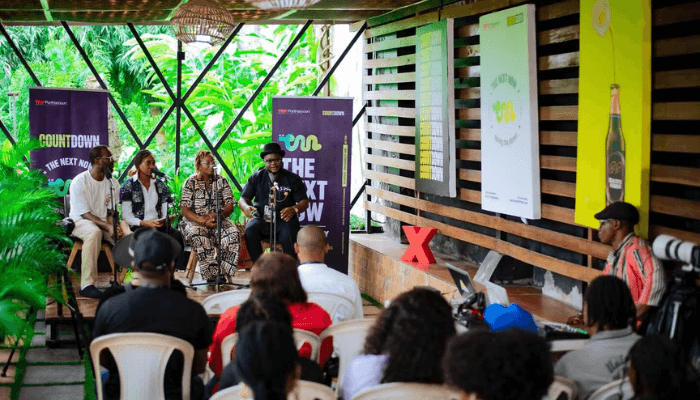
Energy, nature, food, and community action are some of the focal areas that would occupy attention at TEDxPortHarcourt in 2025 as debates rages in the Niger Delta.
Other focal areas include materials, finance, public health, and storytelling believed to be locally significant themes for the Niger Delta in what is called ‘The Next Now’ in the TEDxPortHarcourt Countdown 2025.
Explaining the thematic framework, Donald Okudu, curator and primary licensee of TEDxPortHarcourt, said the selected theme segments have been identified as areas pressing the oil region down. He called it the ‘urgency of now’.
Okudu told newsmen that the scheme is anchored on the urgency of taking bold action today to shape a sustainable tomorrow.

He said: “The framework draws from the global TED Countdown pillars; Energy, Nature, Food, Materials, Finance and Community Action, while expanding to include Public Health and Storytelling as locally significant themes for the Niger Delta.
“These areas reflect the region’s unique challenges and opportunities, from oil dependency and ecosystem degradation to food security, public health risks, and the power of culture in mobilizing communities.”
He said the purpose is to mobilise community action to begin to address the challenges by pulling from their inner strength and resources.
Speakers were encouraged to frame their talks around solutions and innovations that bridge global climate priorities with the realities of the Niger Delta.
He went on: “Key thematic areas include building resilient food systems in flood-prone and riverine areas; and advancing materials innovation through recycling and circular economy models.”

Newsmen gathered that discussions featured on how finance and green investment can unlock climate solutions, how public health is linked to environmental degradation, and how community leadership and civic action drive accountability. Studies are going on to see how much pollution has created new health challenges.
To ensure impact, speakers were to move beyond highlighting problems and instead showcase practical solutions, innovative ideas, or inspiring commitments.
Above all, each talk was made to leave attendees with clear options and action plans, reinforcing ‘The Next Now’ as a call to urgent and collective action.
Read also: TEDxPortHarcourt props up Garden City as Nigeria’s climate change centre
Anchor persons were made to interview representatives of corporate leaders on the subject matters especially energy, climate change, nature, health, community action, etc.
Top leaders from the Niger Delta Development Commission (NDDC), TotalEnergies, Renaissance African Energy Limited, technexus, and Border Community Development Agency were drilled on projects that help build carbon credit, efforts on renewable energy, etc.
Samuel Ogbuku, MD/CEO of NDDC, said: “Countdown is a global initiative, but its impact begins locally.”
He said: “By amplifying voices from the Niger Delta, we’re redefining what climate leadership looks like in Africa.”
TEDxPortHarcourt COUNTDOWN 2025 was made possible through the support of NDDC, TotalEnergies, Renaissance African Energy Limited, technexus, and Border Community Development Agency.
One of the sessions featured Obi Imemba, Executive Director of TotalEnergies Nigeria on the company’s focus on developmental impact, climate resilience, and sustainability in the Niger Delta.
Other critical issues that featured were on energy, how energy companies use legacy infrastructure projects to pioneer low carbon energy operations as seen in the Ubeta project, especially in a region shaped by decades of oil exploration.
It also features how oil companies were redefining energy access from solarizing service stations to deploying renewables in remote areas, not just as a technical solution, but as a catalyst for inclusive development across Nigeria.
The corporate bodies faced questions on sustainability along their operational value chain, integration of biodiversity including mangrove preservation and beach cleaning campaigns.
Attention was paid to the plastic recycling plant in Elelenwo in Port Harcourt to issues of biofuels, and how companies can help communities build resilience against flooding. Focus was on how to shift the global climate narrative from viewing Africa as a vulnerable region to recognizing it as a builder of scalable, sustainable solutions.