|
Getting your Trinity Audio player ready...
|
Nigeria’s health crisis is not new, but the way we continue to approach it is deeply flawed. Less than 10% of our national health expenditure comes from the federal government, while donor contributions account for just 4.8%. These figures are alarming, not only because they expose how underfunded our system is, but also because they show a dangerous over-reliance on external actors. If we keep treating healthcare as someone else’s responsibility, the government, aid agencies, or foreign donors, we will remain trapped in a cycle where lives are lost to preventable conditions.
I believe healthcare must be reimagined as a shared responsibility. It is not the job of the government alone, nor of doctors and international organisations. It is a collective obligation, one that requires citizens, entrepreneurs, professionals, and communities to step forward. My work with the Onome Omobolaji Obada Foundation (OOOF) has made this reality impossible to ignore.
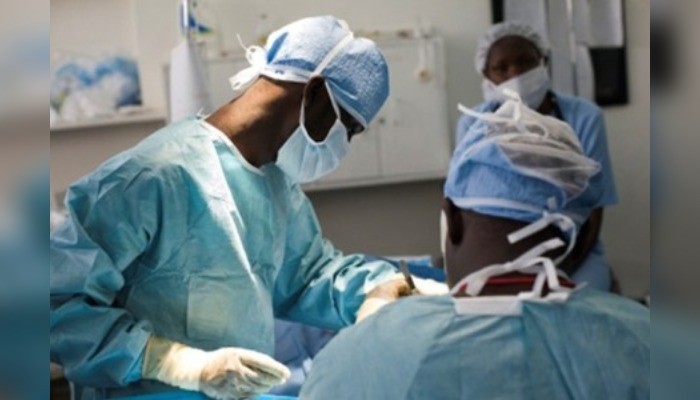
In 2024, OOOF partnered with Pro Health International and the Lagos State Government to host a medical outreach in Lagos. More than 3,000 residents received general consultations, surgeries, and health education. The triage system we used helped identify the most urgent cases, ensuring care was delivered where it mattered most. What struck me that day was not just the demand for services, but the response from ordinary people. Patients told us they were encouraged not only by the free care but by the presence of fellow Nigerians who cared enough to act. That sense of solidarity is powerful; it shows that health delivery is not only about medicine, but also about hope, dignity, and community.
Pro Health International, our technical partner, is a living example of this principle. In its 33 years of work, it has reached more than 2.5 million people across Africa and treated nearly 100,000 patients annually. This level of impact cannot be achieved by government structures alone. It takes collaboration, volunteering, and shared ownership to deliver such results.

In fact, some of the most inspiring work I see today is coming from entrepreneurs who are creating technology-driven platforms to bring basic medical services and referrals to people without formal hospitals in their communities. These efforts may look small compared to national budgets, but in reality, they reduce barriers and extend care to people who would otherwise be left behind.
OOOF itself started without outside funding or elaborate systems. It began with people who chose to serve their communities. Over time, our work has grown to include specialist care and streamlined systems that improve access and efficiency. But the principle remains the same: act where you can, because waiting for help costs lives.
This is why I argue that healthcare must become a movement. Every citizen has a role to play. Volunteering at a medical outreach, raising awareness about preventive practices, adopting healthier lifestyles, checking on a neighbour, or supporting organisations doing the work—all these actions contribute to building healthier communities. We often underestimate the power of these small steps, but they are the backbone of resilience.
Of course, the government has a role, and we must continue to demand accountability and investment. But even the best policies cannot succeed if communities treat health as something external to them. Doctors can prescribe, governments can fund, but citizens must follow through.
Healthcare, in my view, is a relay. Professionals can hand us the baton through treatment and guidance, but it is individuals and communities who must run with it—through vaccination, hygiene, nutrition, and shared knowledge. If we learn to carry this baton collectively, our health systems will not only be stronger, they will be sustainable.

We cannot afford to wait. If we treat health as someone else’s problem, we will keep paying the price in needless suffering. But if we embrace it as our shared responsibility, we can build a Nigeria where health is not a privilege for the few, but a reality for all.
Obada is an entrepreneur and philanthropist driving impact across health, infrastructure, and youth empowerment. As Chairman of the Onome Omobolaji Obada Foundation, he leads medical outreaches and social programs in underserved communities. He is also CEO of Slimburg Limited, overseeing projects across Africa. With 20+ years in finance, energy, and public service, Votu brings cross-sector expertise to every initiative.