Dangote Petroleum Refinery and Petrochemicals has officially withdrawn its high-stakes N100 billion lawsuits filed against several major players in Nigeria’s petroleum sector, including the Nigerian National Petroleum Company Limited (NNPC Ltd), AYM Shafa Limited, and A.A. Rano Limited.
The legal proceedings, which were before the Federal High Court in Abuja under suit number FHC/ABJ/CS/1324/2024, have now been discontinued without public explanation or confirmation of a settlement.
The discontinuance, dated 28 July 2025, was signed by Ogwu James Onoja, SAN, the lead counsel representing Dangote Refinery.
The court filing simply read: “Take notice that the plaintiff herein discontinues this suit against the defendants forthwith.”

No further clarification accompanied the terse legal declaration, leaving observers and industry stakeholders speculating about the behind-the-scenes developments that prompted the withdrawal.
Background of the case
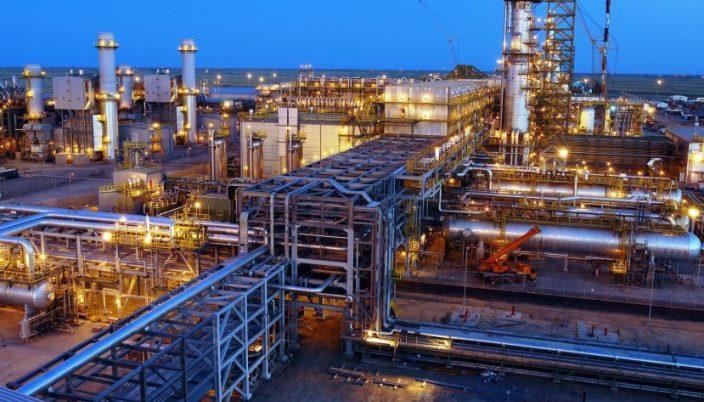
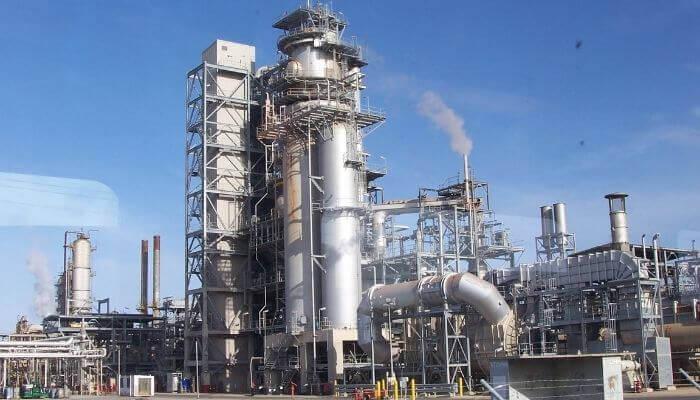
The lawsuit was originally filed on 6 September 2024, and it marked a bold move by the newly operational Dangote Refinery, which had started producing diesel and aviation fuel in January 2024 and later began processing petrol by September of the same year. The refinery, capable of refining 650,000 barrels of crude oil per day, had positioned itself as a transformative force in Nigeria’s energy landscape, aiming to reduce the country’s reliance on imported petroleum products.
However, despite these ambitions, Dangote Refinery faced significant operational and market challenges. Chief among them was the issuance of import licenses by the Nigerian Midstream and Downstream Petroleum Regulatory Authority (NMDPRA) to various oil marketing firms, including NNPC Ltd, AYM Shafa, Matrix Petroleum Services, A.A. Rano, T. Time Petroleum, and 2015 Petroleum Ltd.
Dangote Refinery claimed that such licenses were not only unlawful but also undercut its operations. In its filings, it argued that NMDPRA had contravened Sections 317(8) and (9) of the Petroleum Industry Act (PIA), which, according to the plaintiff, stipulate that importation licenses should only be granted when there is a shortfall in the supply of petroleum products.

Read also: Dangote Refinery discontinues court case against AYM Shafa, NNPC, others
Furthermore, the refinery accused the regulatory agency of failing in its statutory responsibility to support and prioritise domestic refining capacity, a cornerstone of the Petroleum Industry Act’s reform agenda. The refinery sought a declaratory judgment that the issuance of import permits by NMDPRA was detrimental to the growth of indigenous refineries and a violation of the PIA.
The Counter-arguments
The suit did not go unanswered. In a detailed counter-affidavit dated 5 November 2024 and filed by renowned legal practitioner Ahmed Raji, SAN, the defendants dismissed Dangote’s allegations as both baseless and monopolistic in intent.
The oil marketers, along with NMDPRA, argued that the plaintiff was attempting to stifle competition and secure a dominant position in the Nigerian petroleum market. They maintained that their respective companies were fully qualified to receive import licenses under Section 317(9) of the PIA. The marketers highlighted that the country’s supply needs could not be adequately met by the Dangote Refinery alone, especially given the nascent stage of its operations at the time.
In support of the defendants’ position, Idris Musa, a senior regulatory officer at NMDPRA, submitted an affidavit arguing that the agency had acted within its mandate. Musa emphasised that the Dangote Refinery, despite its projected capacity, had not yet reached a level of output sufficient to meet national demand. He added that the issuance of licenses to other marketers was necessary to bridge the supply gap, ensure market stability, and prevent fuel scarcity.
Musa also denied any conspiracy against Dangote Refinery, asserting that NMDPRA’s role was to foster a competitive environment while preventing any entity from monopolising the sector.
Legal Hurdles and Procedural Issues
The legal battle also involved a series of procedural motions and technical objections. On 9 December 2024, Dangote Refinery filed a motion seeking to amend its originating process, correcting a naming error where it had initially listed the second defendant as “Nigeria National Petroleum Corporation Limited” instead of the correct “Nigerian National Petroleum Company Limited.”
NNPC Ltd responded with a preliminary objection, arguing that the suit was incompetent due to the misidentification. The company supported its objection with an affidavit sworn by Isiaka Popoola, a litigation clerk with its legal counsel.
Read also: Naira-for-Crude model should be replicated in other sectors – Dangote
However, Justice Inyang Ekwo ruled in favour of Dangote Refinery on 18 March 2025, stating that the naming error did not render the suit defective. The judge held that the defendants should have addressed the substance of the allegations before raising procedural objections. On the following day, 19 March, the court granted Dangote’s request to amend its filings and directed all parties to proceed with addressing the merits of the case.
The case had been slated for hearing on 29 September 2025. At the last hearing in July, the plaintiff’s lead counsel, George Ibrahim, SAN, requested an adjournment to allow time for all parties to regularise their legal submissions—a routine move in complex litigation.
Speculations and Implications
The decision to suddenly drop the lawsuit, just two months before the next hearing, has generated considerable speculation. Although no official reason was given, industry insiders suggest that behind-the-scenes negotiations may have led to an amicable resolution. It remains unclear whether a financial settlement was reached, whether policy concessions were granted, or whether Dangote Refinery decided to take a different strategic approach.
The NNPC’s decision last year to terminate its exclusive purchase agreement with Dangote Refinery was already seen as a pivot towards a more liberalised fuel market. By opening the door for multiple buyers, the government appeared to be signalling its intent to encourage market competition, a stance that directly contradicts Dangote Refinery’s calls for import restrictions.
What lies ahead?
While the discontinuance of the ₦100 billion lawsuit may bring temporary calm, the underlying tensions in Nigeria’s downstream petroleum sector are far from resolved. The issue of import licensing, refining capacity, and regulatory support for indigenous players will likely remain central to debates around the implementation of the Petroleum Industry Act.