Africa dreams of digital transformation and AI-powered economies, but 70 percent of its children cannot read a simple sentence by age 10. The culprit is not just poverty or poor schools—it’s the systematic neglect of public libraries, the very institutions that could break this cycle and unlock the continent’s human potential.
Africa is home to the world’s youngest and fastest-growing population. The continent holds immense promise for innovation, prosperity, and self-determination. However, this promise is undermined by a silent crisis: millions of African children are growing up unable to read a simple story or age-appropriate text by age ten. Referred to as learning poverty, this widespread challenge affects over 70 percent of African children, as reported by the World Bank and UNESCO, severely restricting pathways to higher education, innovation, employability, and economic independence.
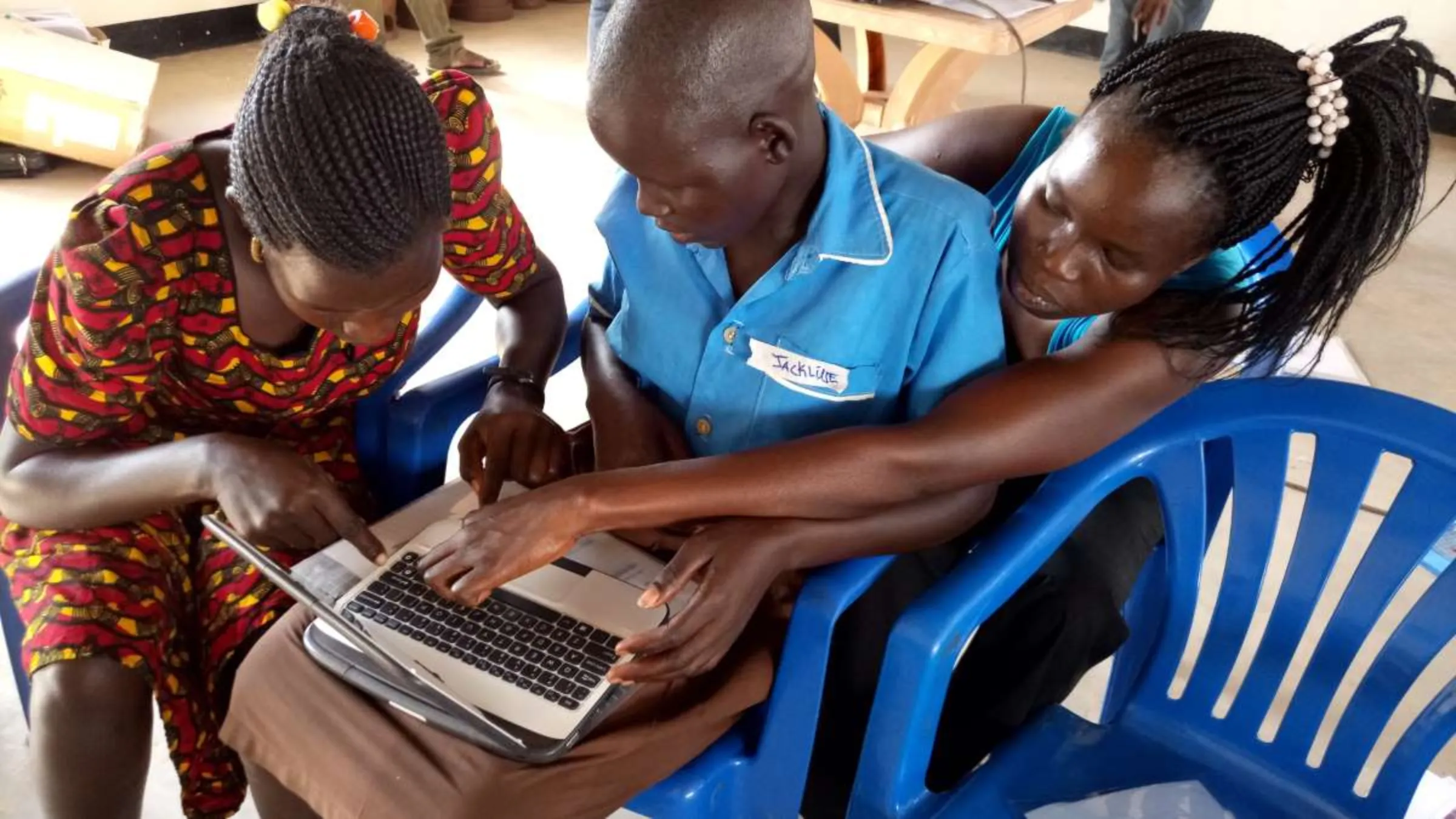
In an era of smartphones and artificial intelligence, it is tempting to overlook the humble public library, dismissing them as relics, but doing so is a grave mistake. Libraries remain vital, indeed arguably more so than ever. Not only do they offer the public access to books, spaces for community learning, quiet study, and exposure to new ideas; libraries spark curiosity, support schoolwork, nurture critical thinking, and provide safe spaces for children to learn digital skills.
Emerging habits of reading, curiosity, and self-directed learning among the next generation then become powerful drivers of national progress. Significantly also, in an age of information overload, the filtering and equalising role libraries play in supporting children to verify credible sources, read critically, and develop lifelong learning habits, becomes even more essential.

Across the continent, millions of children grow up in “library deserts” — communities with few or no functioning public libraries. From rural villages to urban neighbourhoods, countless libraries stand in ruin: leaking roofs, dusty shelves, no books, computers, or internet access. Local councils lack funds and training to modernise these spaces, while national budgets typically neglect library revival and maintenance.
Meanwhile, wealthy families purchase books and devices, widening the gap between those who can learn anywhere and those left behind. This hidden crisis risks deepening inequality precisely when technology and AI are transforming how knowledge is created and consumed.
Access to smart, connected libraries is not luxury — it is a child’s right. Both African Agenda 2063 and the Continental Education Strategy for Africa (CESA 2026-2035) prioritise early reading and foundational skills as the basis for empowered citizenry. Yet implementation gaps persist and get wider across many countries, leaving millions behind.
As AI transforms work and knowledge, children need spaces that guide wise technology use. Libraries must evolve into hybrid hubs, closing gaps for those without home internet or books, providing digital tools and AI skills while serving as community anchors for reading practice, homework, and refuge from unstable environments.
Kenya offers a compelling model through its National Library Service (KNLS), which has reimagined libraries as hubs for digital learning, civic knowledge, and community empowerment. KNLS has integrated digital catalogues and virtual libraries across its network, giving rural students access to thousands of e-books through mobile satellite libraries reaching remote counties.

Children enjoy reading clubs, book borrowing, and free digital resources through e-resource centres. National initiatives like annual reading days inspire Kenyan children to discover books in local languages and digital formats, bridging the digital divide for thousands who otherwise lack computer or internet access. The result: a generation more likely to read, learn, and succeed.
Bridging Africa’s library deserts requires intentional commitment from multiple stakeholders. Governments must make functional literacy by age 10 a national priority, positioning revitalised libraries as key community anchors and tracking them as core progress indicators. Investment should prioritise rural and peri-urban libraries as literacy hubs, ensuring sustained funding for building and equipping these vital spaces.
National literacy strategies must integrate libraries with schools’ early grades and community reading programmes, nurturing habits from early childhood. Education ministries should partner with local writers and publishers to strengthen culturally relevant content, ensuring every child sees themselves in the stories they read.
Most African countries — Nigeria included — need renewed national visions for libraries inspired by Kenya’s success. This means funding modern facilities with robust digital infrastructure, expanding reach through mobile units, and training community-based librarians as digital guides for the AI era. Just one well-equipped smart library in a rural community can open up the world to a child, but this promise will only be fulfilled if we treat libraries as pillars of national development, not as an afterthought.
The choice facing African leaders is not concealed or mysterious: invest in libraries now, or watch a generation slip into irreversible educational poverty while the continent’s digital dreams crumble.
Libraries form the foundation of informed, adaptable citizens — the workforce that will navigate AI-driven economies. Africa’s children deserve better than library deserts and learning poverty. They deserve access to books, digital tools, and learning support that puts the world within their reach. If we want young Africans to compete globally, think critically, and innovate locally, investing in community libraries is not optional, rather it is urgent. Without accessible spaces that put books, digital tools, and learning support within every child’s reach, Nigeria risks deepening the knowledge divide, and Africa’s Vision 2063 risks remaining just that: a vision, not a reality.