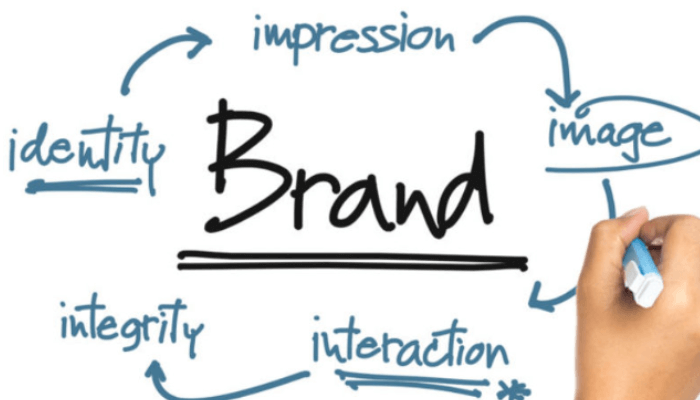
In today’s crowded marketplace, your brand identity is more than just a logo or a tagline; it’s the very essence of your business. It’s how your audience perceives you, interacts with you, and ultimately remembers you. But what goes into creating a brand identity that stands out? This piece dives into the 10 essential elements of a strong brand identity, offering actionable insights to help you build an unforgettable presence.
Understanding brand identity
To build a strong brand identity, we first need to understand what it truly means. Brand identity refers to the visible and intangible elements that define your brand, such as your logo, colours, typography, tone of voice, and messaging. Together, these components shape how your audience experiences and relates to your brand. Simply put, it’s the personality of your business and the promise you make to your customers.
Whether you’re launching a new business or revitalising an existing one, establishing a clear and cohesive brand identity is crucial to standing out in today’s competitive environment. Let’s explore the 10 key elements that can help you create an effective and memorable brand identity.

1. Clear brand purpose
Every great brand starts with a clear purpose. Why does your business exist? What problem does it solve? Defining your brand purpose provides a foundation for everything else, guiding your decisions and inspiring your audience. For example, Nike’s purpose to “bring inspiration and innovation to every athlete in the world” is woven into everything they do, from product design to advertising.
To establish your brand purpose, ask yourself:
• What motivates your business?
• What impact do you want to have on your audience?

Answering these questions will help you create a mission statement that resonates with your target market.
2. Incorporating consistent brand identity
Consistency is the cornerstone of a strong brand identity. From your logo and typography to your website design and social media presence, all touchpoints should present a unified image. Developing comprehensive brand identity guidelines ensures that your brand’s look and feel remain consistent across all channels, enhancing recognition and trust.
3. Crafting compelling brand messaging
What you say and how you say it matter. Your brand messaging should clearly communicate your values, mission, and unique selling proposition (USP). This is your opportunity to connect emotionally with your audience and highlight why they should choose your brand over competitors.
Focus on developing:
• A tagline that encapsulates your brand’s essence
• A tone of voice that aligns with your brand’s personality
• Messaging that speaks directly to your target audience’s needs
4. Memorable brand name and logo
Your brand name and logo are often the first things people notice about your business. A well-designed logo and a memorable name create a strong first impression, making your brand instantly recognisable. Choose a name that’s easy to pronounce, relevant to your business, and unique in your industry.
A logo, on the other hand, should reflect your brand’s personality and values. Ensure it’s versatile, scalable, and timeless to maintain relevance for years to come.
5. Ensure you have an engaging brand story
Humans are wired to respond to stories, and your brand story is a powerful tool for building connections. Share the journey of your brand—how it started, the challenges it overcame, and the vision driving it forward. A compelling brand story helps your audience relate to your business on a deeper level, turning them into loyal customers and advocates.
6. Brand flexibility
While consistency is vital, flexibility is equally important in adapting to new trends and customer preferences. A flexible brand identity allows you to stay relevant without losing the core elements that make your brand unique. Consider creating a brand identity model that outlines your core principles while leaving room for innovation.
7. Positive brand experience
Your brand identity extends beyond visuals and messaging; it includes the experience you provide to your customers. Whether it’s an easy-to-navigate website, excellent customer service, or seamless product delivery, every interaction should reflect your brand’s values and leave a lasting impression.
8. Visual brand identity
A strong visual brand identity is essential for making your business memorable. This includes your logo, colour palette, typography, and imagery. These elements should work together cohesively to convey your brand’s personality and values. For instance, brands like Coca-Cola and Apple use their visual identities to communicate their ethos and stand out in the market.
9. Clear calls-to-action for user guidance
Your brand identity should guide your audience toward specific actions, whether it’s making a purchase, signing up for a newsletter, or following you on social media. Clear and compelling calls-to-action (CTAs) are a vital component of effective branding. Use active, engaging language to inspire action, and ensure your CTAs align with your overall brand messaging.
10. Building trust with social proof and testimonials
Trust is the foundation of any successful brand. Incorporate social proof, such as customer reviews, testimonials, and case studies, to showcase your credibility. Highlighting real experiences from satisfied customers reassures potential clients that your brand delivers on its promises.
Last line
A strong and effective brand identity is essential for capturing attention and building lasting relationships with your audience. By focusing on these 10 elements—from defining your brand purpose to delivering a positive customer experience—you can create a brand that not only stands out but also resonates deeply with your target market.
Remember, branding is a journey, not a destination. Continuously evaluate and refine your brand identity to ensure it remains aligned with your business goals and audience expectations.