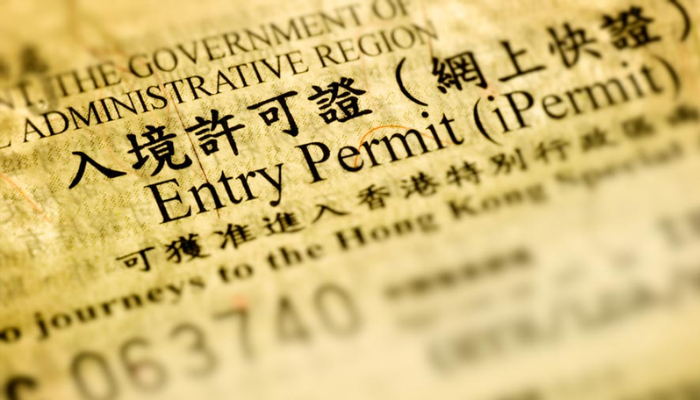
Hong Kong has significantly increased its work visa fees as part of new budgetary measures. The revised fees were introduced by the Immigration Department at the end of February, marking the first major change in years.
Under the new structure, applicants seeking to stay in Hong Kong for more than 180 days are now required to pay HK$1,900 ($242). This includes a HK$600 application fee and a HK$1,300 issuance fee. For those staying 180 days or less, both the application and issuance fees are HK$600 each, bringing the total to HK$1,200. Previously, the total visa cost for all applicants was HK$230. This means that the fee for long-term stays has increased by more than eight times.
Read also: New visa scheme eases global recruitment for Hong Kong’s tech industry
The decision comes as Hong Kong faces financial pressure. In 2024, the city recorded a budget deficit of HK$80.3 billion, the third consecutive year with a shortfall. The drop in land sale income from a declining real estate market has worsened the situation. To manage the growing deficit, the government is taking cost-cutting steps, which include reducing civil service positions, reviewing existing subsidies, and raising public fees such as visa charges.

Read also: Hong Kong rolls out the red carpet for foreign talent, including Nigerians
The fee increase has drawn reactions from expatriates. A Japanese citizen who recently renewed a three-year work visa in May said, “I used to think Hong Kong authorities were efficient and that kept fees low.” In contrast, renewing or extending a visa in Japan costs 6,000 yen ($42), making the new Hong Kong fees among the highest in the region.
Despite the rise in fees, Hong Kong is also making efforts to strengthen international cooperation. In May, the Chief Executive of Hong Kong, John Lee, announced that holders of Hong Kong Special Administrative Region passports are now allowed visa-free entry into Qatar for up to 30 days. The announcement came during Lee’s visit to the Gulf country, where both sides signed agreements in the areas of investment, trade, and tourism.
Read also: Five countries with high work visa or permit caps for 2026
“Together, they will boost our trade ties and enhance our customs clearance efficiency, creating smoother, more convenient links for our companies,” Lee stated. The move is part of broader efforts by Hong Kong to improve travel processes and deepen collaboration with international partners.

These contrasting developments reflect the balancing act Hong Kong is managing between addressing local fiscal challenges and expanding its global presence.