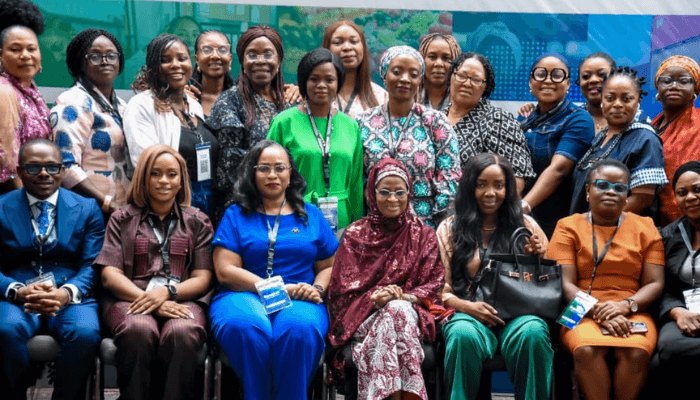
A growing number of African women entrepreneurs are positioning to tap the $3.4 trillion African Continental Free Trade Area (AfCFTA) market, as efforts to remove regulatory and financing hurdles gather pace.
More than 80 business owners took part in SheConnectsAfrica 2025, a three-day Lagos workshop aimed at equipping women-led enterprises to formalise operations, expand regionally, and access cross-border markets.
The programme, funded by Germany’s development ministry and implemented by GIZ with the ECOWAS Commission, reflects a broader push to make Africa’s trade liberalisation more inclusive.
Despite women running an estimated 40 percent of Africa’s small businesses, trade data show they remain underrepresented in export markets, hindered by high compliance costs, limited access to finance, and low visibility in supply chains. Organisers say bridging this gap could unlock billions in untapped trade value.

In Lagos, participants attended expert-led clinics on business registration, tax compliance, and trade protocols, while lenders including Parallex Bank and the Bank of Industry pitched SME-focused credit products. For some, the event marked their first direct engagement with banks willing to finance cross-border ventures.
“This wasn’t just about sharing information,” said Ifeoma Ehiri, GIZ Technical Advisor on Gender, Youth & Trade. “It was about removing roadblocks and creating practical pathways for women to thrive in regional trade.”
Institutional partners, from the Nigerian Export Promotion Council to the Nigeria Data Protection Commission, underscored the growing importance of digital trust, tariff clarity, and export readiness in scaling women-led enterprises.
Bernard Tayoh, who heads GIZ’s AfCFTA support programme, said the trade pact is “a major opportunity to reshape the future of African trade — and women entrepreneurs must be at the center of that transformation.”
As AfCFTA rules take hold, initiatives like SheConnectsAfrica are betting that early movers among women-led businesses will gain a competitive edge, particularly in services and light manufacturing sectors where barriers to entry are lower.

The challenge, experts warn, will be sustaining momentum beyond workshops and ensuring consistent access to finance, market intelligence, and trade facilitation support.