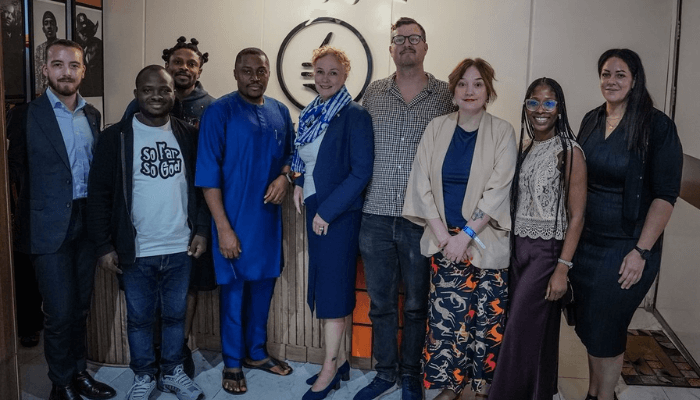
Stakeholders at the recent Nigeria workplace culture have championed the adoption of practical and innovative strategies to future-proof Nigerian business ecosystem.
Accordingly, the human resource and people managers also spoke to how organisations and business owners can leverage culture not just to survive disruption but to thrive and innovate through it.
Lere Baale, CEO, Business School Netherlands and keynote speaker, called on the government to help nurture a culture of goal-getting among Nigerians, especially the youth.
According to him, organisational culture must be driven by leadership. “The primary role of the CEO is not just to achieve performance but to do so sustainably. The CEO must lead by example, modelling cultural values over relying solely on policies.”

Deji Osasona, CEO, Winbox Consulting and convener, Nigeria workplace culture 2025, said the conference is geared towards normalising conversations around a positive workplace culture in Nigeria.
“In today’s fast-moving environment, where technology, economics, and even social shifts are disrupting how we work, the one thing that can anchor and propel organisations forward is the workplace culture. But culture doesn’t just happen; it’s shaped intentionally by leadership,” he said.
He described culture as what leaders permit or forbid, emphasising that leaders must model the values they expect employees to follow.
Osasona added that surveys show over 80 percent of organisations invest heavily in strategy; however, only about five percent successfully implement such a strategy, with workplace culture cited as the main barrier.
He disclosed that the initiative started in 2023 as a culture champions breakfast buffet for organisation leaders, business managers and HR professionals to inspire and empower them in building workplaces that enable employees to give their best and thrive to grow the businesses.

Usman Umar, executive director, corporate services, Mainstream Energy Solutions, said culture forms the backbone of organisational transformation and success. He also urged corporate organisations and business owners to prioritise a culture that makes the institution thrive.
“Once you have a performance-based culture, a culture that respects the individual, a culture that builds trust within the organisation, this ultimately would create alignment between all the parties. Once people internalise these variables, it will indeed go a long way in helping to achieve these objectives, whether internal or external, whether personal or the company.”