Change is constant, and reforms, whether in taxation, fiscal policy, monetary systems, banking, agriculture, healthcare, education, or information and communication technology, are necessary steps in every nation’s development journey. What remains critical is our collective ability to assess such reforms with objectivity and a positive mindset. In this context, the focus of this article is to examine Nigeria’s tax reform system through the lens of students and practitioners, highlighting the possible gains and the inevitable challenges that accompany such transformational shifts.
The history of tax reform in Nigeria can be traced back to two broad phases: the pre-independence era and the post-independence era. Before 1960, local institutions played a central role in collecting levies and other forms of revenue on behalf of governing authorities. The colonial administration made efforts to formalise the process, enacting laws such as the Native Revenue Ordinance of 1917 and the Direct Taxation Ordinance of 1940. These early reforms laid the groundwork for a more structured taxation system.
Read also: How tax reforms bill will make housing affordable – Presidency
From independence in 1960 to the present, a series of reforms have shaped Nigeria’s tax landscape. The Tax Reform of 1978 restructured income taxation and introduced withholding tax, creating a more reliable mechanism for revenue collection. The 1993 reform coincided with the introduction of Value Added Tax (VAT), which replaced the repealed Sales Tax Act of 1986. In 2012, the National Tax Policy aimed to establish a coherent administrative structure for tax governance, while the 2017 policy review focused on promoting voluntary compliance, expanding the tax base, and addressing revenue leakages.

A more recent and robust effort came with the Finance Act of 2020, which increased VAT from 5 percent to 7.5 percent and introduced tax reliefs and incentives for small businesses. Most notably, the Presidential Fiscal Policy and Tax Reform Committee, established in 2023, sought to overhaul the nation’s fiscal system. The committee’s objectives included harmonising multiple levies, streamlining tax collection mechanisms, and creating a unified revenue framework. These efforts culminated in the draughting of four significant bills: the Nigerian Tax Bill, the Nigerian Tax Administration Bill, the Nigerian Revenue Service Establishment Bill, and the Joint Revenue Board Establishment Bill.
Tax reform, at its core, refers to the comprehensive restructuring of how taxes are levied, collected, and managed. Its objectives include improving administrative efficiency, broadening the revenue base without overburdening taxpayers, modernising outdated laws, enhancing the ease of doing business, ensuring economic and social welfare, simplifying compliance, and aligning the system with global standards. For reforms to be effective, certain strategies must be adopted—improving tax administration, adjusting tax rates prudently, enacting taxpayer-friendly laws, and widening the tax net.
For both students and practitioners, tax reforms offer immense opportunities. First, increased government revenue can directly support the salaries and operational capacity of public institutions where many professionals work. Second, job creation is a foreseeable outcome, as more efficient tax structures require skilled administrators and analysts, thereby absorbing more students and professionals into the workforce. Reforms also tend to encourage a favourable investment climate, stimulating foreign direct investment, which, in turn, drives economic growth beneficial to both demographics.
Furthermore, tax reforms stimulate research and development. Students and academics can explore new areas of inquiry, while practitioners are compelled to upgrade their knowledge and skills to align with evolving tax regimes. This dynamic environment enhances professional development across the board. A case in point is the 2023 Tax Reform, which included provisions to boost the student loan scheme. Under this reform, the Tertiary Education Trust Fund (TETFund) is required to allocate 30 percent of its revenue to the Nigerian Education Loan Fund (NELFUND), which was established through the Student Loans Act signed into law by President Bola Ahmed Tinubu on June 12, 2023. NELFUND serves as the official agency overseeing student loans in Nigeria and is a direct beneficiary of this reform initiative.
Beyond these individual benefits, tax reform contributes to national fiscal stability, drives sustainable economic development, and ensures that wealth is more equitably distributed across the population. However, like all major policy shifts, tax reforms come with their own set of challenges.

Read also: VAT increase outweighed by massive incentives in proposed tax reforms CITN President
One such challenge is the potential rise in tax rates, which can reduce the disposable income of students and professionals alike. Resistance to change is another issue—many may be reluctant to adapt to new systems due to a lack of understanding or perceived complexity. The scarcity of qualified personnel to drive these reforms effectively is also a concern, as is the limited public awareness about the reforms themselves. If practitioners and students are not adequately informed or trained, they may struggle to engage with the new system meaningfully. Moreover, communication gaps and a general reluctance to learn new protocols can impede the adoption of the reforms. Finally, the legal and administrative complexities that often accompany tax reforms may discourage full implementation or create uncertainties that affect compliance.
Despite these hurdles, the value of tax reform cannot be overstated. For Nigeria’s students and practitioners, it represents both a challenge and an opportunity—a call to action for a more engaged, informed, and forward-looking citizenry. With proper education, awareness, and institutional support, the potential benefits can far outweigh the difficulties.
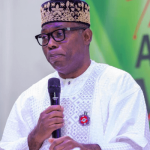
Dr. Kingsley Ndubueze Ayozie, FCTI, FCA, is a Public Affairs Analyst and a Chartered Accountant. He writes from Lagos.