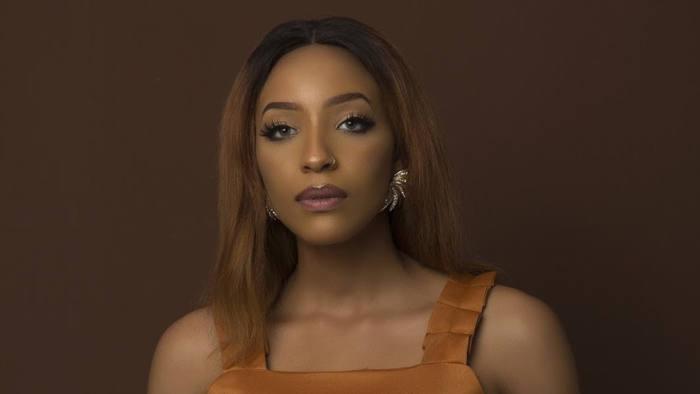
Being young in Nigeria is a sobering experience. Not only because of the dire struggle for employment and welfare, but because young people have for years been isolated from the country’s political system. With the largest population segment belonging to the youth, we should be playing key roles within the polity. The Not Too Young to Run law signed in May reduced the minimum ages required to run for public office from 40 to 35 for presidential aspirants. But as the 2019 elections move closer, the system is still hard to break through. When Folarin “Falz” Falana asked me to co-host a millennial talk show with him, On the Couch with Falz and Laila, I saw a new means of civically engaging young Nigerians.
As a 21-year-old citizen, I too am aggrieved at being isolated from Nigeria’s governance. The intention behind the show is simple: to inform the nation’s youth. Nigeria’s current debt of over 22tn naira ($61bn) is one of several concerns ahead of next year’s poll. Nigeria needs a president with a sound approach to economic recovery, but unfortunately not all aspirants see the gravity of this problem. When I questioned on the show the economic plans of Olasubomi Okeowo, a presidential candidate with the African Democratic Congress, he protested that people like me give him “too much stress”.
At least Mr Okeowo engaged with young Nigerians. Most aspirants in the country’s bigger parties told us they would like to wait until the end of their party primaries before they speak to the media, which opened my eyes to the value placed on Nigerian youth by seemingly elite politicians today.
It is certainly not the only method of disempowerment: “godfatherism” has a role to play too. Many young Nigerians are unable to run for office because they lack the finances or a “godfather” to boost their campaign. Running an election in Nigeria is highly expensive, especially in the case of the nation’s two largest political parties, the All Progressives Congress and the People’s Democratic Party. A presidential nomination form with the APC is available at an exorbitant cost of 45m naira — beyond the average 35-year-old Nigerian. It is impossible to argue that our elections are free and inclusive to the country’s young.

What is also worrying is the inability of smaller political parties to break through, which has pressured many into a coalition with the PDP, called the Coalition of United Political Parties. Strength comes in numbers, but I do not agree that limited finances should mean you have to lend your strength to a party that monopolised the polity for 16 years until 2015. Fortunately, not all aspirants see this as the only option. Oby Ezekwesili, for example, has refused to join any coalition. She has turned to crowdfunding, but it is a big ask to rival the spending of the major parties.
Civic engagement is slowly breaking down the walls of Nigeria’s patriarchy, but we must remain consistent in our approach. The 2019 elections will come and go, but the system is here to stay. As young Nigerians, we must recognise our strength in numbers and maximise that potential. It is not easy working through a system that is set up against you, but it is a necessary and overdue response to years of disempowerment and disengagement.
The writer is co-founder of the We Rise Initiative, set up to empower women and girls in Africa