Which way Nigeria
Which way to go
I love my father land
O, yeah

I want to know
Yes, I want to know
Which way Nigeria is heading to
Many years after independence
We still find it hard to start

How long shall we be patient to reach the promised land?
Let’s save Nigeria
So Nigeria won’t die
Every little thing that goes wrong
We start to blame the government
We know everything that goes wrong
We are part of the government
Let’s save Nigeria
So Nigeria won’t die
Which way Nigeria
Which way to go
I love my fatherland
I want to know
Which way Nigeria is heading to?
Inefficiency and indiscipline is ruining the country now
Corruption here, there and everywhere inflation is very high
Let’s save Nigeria
So Nigeria won’t die
Which way Nigeria
Which way to go
I love my fatherland
O, sure sure
I want to know
Yes, I want to know
We make mistakes in the oil boom
Not knowing that was our doom
Some people now have everything while some have nothing
Let’s save Nigeria so Nigeria won’t fall…
Sonny Okosun’s song “Which Way, Nigeria” remains a musical piece that continues to resonate deeply with Nigeria’s contemporary realities. More than 40 years after its release, the song’s message remains persuasively relevant, raising critical questions about leadership, national unity, development, and moral direction.
Read also: Farmers, herders clalshes, our biggest challenge in Ondo Amotekun
“Which way, Nigeria?” is not just a song – it is a timeless question and a challenge. Nigeria stands at a crossroad yet again, and the options are clear: continue the cycle of dysfunction or rise above history to build a truly united, prosperous nation. Okosun’s words are echoing louder than ever, urging us to choose our path wisely.
“From the Fulani herder crisis to secessionist agitations in the Southeast, the call for unity made in “Which Way, Nigeria” has become even more urgent.”
The catchphrase “Which way to go?” underscores a sense of directionlessness that still defines Nigeria’s political landscape. Decades after independence, the country continues to grapple with weak leadership, endemic corruption, and poor governance at all levels. Just as Okosun lamented the lack of visionary leaders, today’s citizens witness recycled politicians, unfulfilled campaign promises, and leadership disconnected from the people’s struggles.
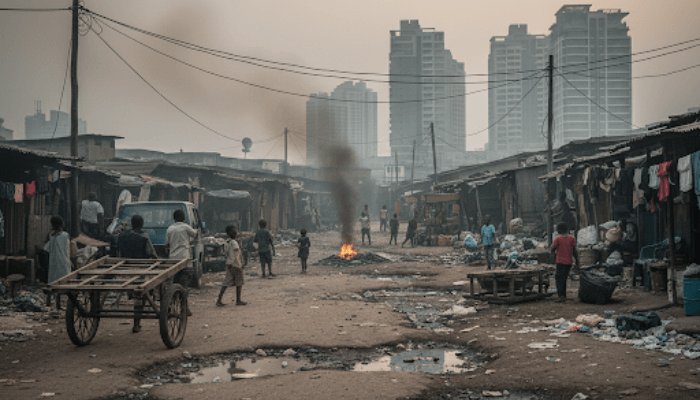
In the song, Okosun questioned why a resource-rich nation like Nigeria remained poor. Despite oil wealth, abundant human capital, and a vast agricultural landscape, Nigeria continues to suffer from high unemployment rates (over 33% as of 2024); rising inflation and food insecurity; a weak naira; a growing debt burden; and insecurity across the nation.
The same frustration over underdevelopment expressed in the song is even more pronounced today, as many Nigerians seek economic refuge abroad in what is now termed the “japa” syndrome.
One of the song’s stanzas pleads, “I love my fatherland; I want to know, yes, I want to know…” – reflecting a deep yearning for answers, growth, and national pride. Today, Nigeria’s education system is underfunded and in crisis. Although we acknowledge the present administration is doing everything possible to reverse this, the threat of strikes, outdated infrastructure, and brain drain still plague our universities and medical centres. Youths, who are meant to be the future, face limited opportunities, pushing them toward migration, crime, and hopelessness.
Read also: Outrage in Benue as over 100 feared dead in Yelwata
Okosun emphasised unity and called for an end to ethnic and tribal politics. Today, Nigeria is more polarised than ever, with rising ethnic tensions, religious extremism, and regional grievances. From the Fulani herder crisis to secessionist agitations in the Southeast, the call for unity made in “Which Way, Nigeria” has become even more urgent.
Lines in the song lament how values have eroded and the country is losing its moral compass. Today, fraud, ritual killings, cybercrime (Yahoo Yahoo) and a growing culture of instant wealth without hard work reflect a decay in societal values. These problems are often fuelled by poverty, weak institutions, and the glorification of corrupt elites.
The greatest implication of the song is its enduring relevance as a wake-up call. The song challenges every Nigerian – from the political elite to the common man – to reflect, take responsibility, and forge a new path. It is a musical mirror, asking, ‘Are we better off than we were in the 1980s?’
What can each citizen do differently? Can Nigeria truly rise without fundamental change?
As an institution, we believe in the lyrics of this song, as we know that nobody can reinvent the wheel. To make this nation great depends on both the led and the leaders. We know for too long, the led may have viewed the leaders wrongly because they believe the leaders have not been sincere. All we are saying is, for the lead, let us be intentional in all we do to add and build this nation. And for our leaders, sincerity of purpose – in the fight against insecurity across the land, in appointments, electoral issues, placement of infrastructure, and above all, prioritising the interests of the citizens above political and ethnic patronages – will go a long way to build the trust required from Nigerians to support the New Nigeria of our dreams – one and a united people.
Read also: Benue governor accuses lawmakers, politicians of sponsoring deadly attacks
Like Fela Kuti, Okosun used his voice to confront the establishment and awaken the masses. In a time where modern music has sidelined activism for entertainment, “Which Way, Nigeria” reminds us of the power of music to influence national thought and consciousness.
As we can see, this is not just a song – it is a timeless question and a challenge both the led and leaders should be intentional to confront and give the right answers for the posterity of the future of this nation. The lyrics are still echoing and urging us to choose our path wisely, as the future of Nigeria is bigger than anyone’s ambition.