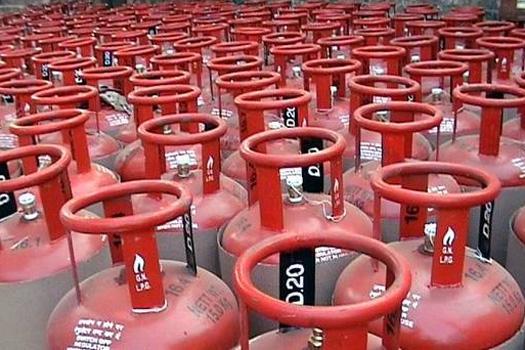
The LPG space still remains the least regulated product in the Nigerian oil and gas industry. It enjoys no subsidy and her merchants do not suffer any setbacks in the form of quota subscription. As far as the market goes, it is free entry and free exit. Compare LPG to AGO, merchants of LPG in Nigeria enjoy higher margins compared to merchants of AGO. Despite the attractiveness of this business, the players are fewer owing to huge capital outlay required to offer meaningful service delivery in the cooking gas space.
LPG business like any other business is also susceptible to government policy. Government policy to business men is like the ocean current to sailors; it determines the direction of every meaningful investment decision in a country or state. Recently (May 21 2019), the news of one of such government policy was a front burner in the LPG space. The central idea of this program is to sell gas like coca cola beverage! Llike coca cola, the end user of the LPG is only interested in liquid content, not the bottles.
This idea is a fantastic idea but so are the limitations. Who is going to produce the bottles that will house the LPG? What will happen to those who already own cylinders? The minister’s policy provided avenues for government to regulate cylinder integrity –a defective cylinder would be confiscated due to the safety hazard it poses to the user, filler and environment at large. Would plant owners -people selling LPG from a storage capacity upwards of 10 MT- be the ones licensed to own cylinders? Would regulatory agencies punish plant owners for bad cylinders? While this would be a great idea for end-users to only bother themselves about what they actually need, which is the LPG and not the bottle; how does government hope to achieve this feet without running the risk of inefficiently going into a locked in contractual agreement with cylinder manufacturers?
The challenge with bringing your empty cylinder and picking a filled one in place of it without having to wait extra time for your cylinder to get filled are plenty, like;

- Am I getting a cylinder of similar quality and integrity to mine? The plant owner and the customer faces this dilemma.
- How am I sure that my cylinder would not get missing?
- Does cylinder exchange guarantee increased patronage?
- If I came to plant A with my cylinder and took plant A’s cylinder and gas can I freely go to plant B when my gas is finished and exchange plant A’s cylinder with plant B’s cylinder and, of course, gas?
An answer to these questions would be a new value stream added to the traditional way cooking gas got to end-user and they were by peddlers, skids (storage space of 5MT and below) and plants. Whether or not this policy comes to play, a new and sustainable way of delivering LPG to the ever growing population of the Nigerian family is critical. An investor looking to come in with innovation to this space might want to reduce the installation cost of LPG as a cooking fuel.
Before now LPG as a cooking fuel was elitist even though the cost of LPG/liter was cheaper compared to alternate cooking fuel like kerosene. The issue with LPG as a choice cooking fuel is not the cost of fuel but cost of cooking infrastructure such as stove and cylinders. In addressing this high infrastructural cost, some inventors mimicked the typical kerosene stove and installed burners on the LPG cylinders. That way one did not need to incur further cost in purchase of stove. Smaller capacity cylinders were also built instead of the common 12.5kg cylinders, lower Kgs were introduced like 2, 3, 5, 6, and 10.
The maverick idea in this space would be how to sell gas alone. Anyone who comes up with a scheme on how to buy liquid content only is sure to strike gold. My thinking is a bit rusty, but they might be the need for insurance in the event of theft and damage. They might be need to build this exchange system into a trust communal and accountable society then they would be funding; needed for the purchase and manufacture of empty cylinders.
Ekele Onuh Oscar

Oscar wrote in via ekeleonuhoscar@gmail.com