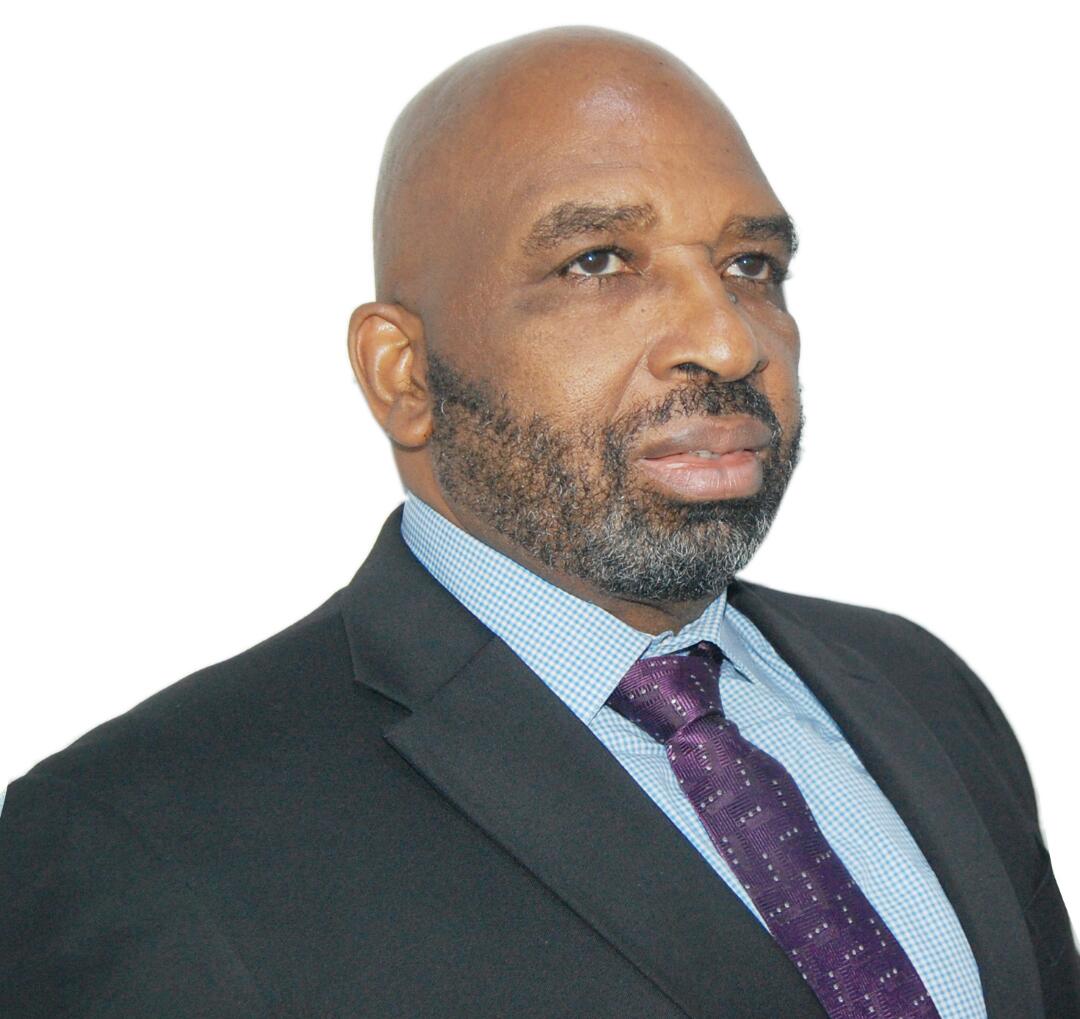
Wema Bank plc will next month begin to issue the second tranche of the N50 billion programme, targeted at raising its Tier II capital, Ademola Adebise, deputy chief executive said on Wednesday.
The bank is expected to officially announce to this to its shareholders as it holds its annual general meeting next month.
Wema Bank approached the money market in November 2017 to raise N25 billion in two Series under a commercial paper Program; Series 1 N10 billion – 182-day tenor and Series 2: N15 billion- 270-day tenor. Given the relative decline in interest rates and possible growth within the economy, the Bank will be re-opening the 2nd series of its N50 billion debt issuance program.
Adebise said the mid-tier lender hoped to boost its capital ratio, which is at 14.3 percent, higher than the regulatory minimum of 10 percent, Reuters report.

Wema expects 10 percent loan growth in 2018 targeting small firms, compared with a 4.92 percent drop in loan volume last year. The bank had aimed to grow loans by 1.5 percent in 2017.
In its audited financial result for the year ended December 31st, 2017 the innovative bank, which launched ALAT, Africa’s first fully digital bank, confirmed the growth of its groos earnings by 20.07 percent, from N54.36 billion in Full Year 2016 to N65.27 billion in full year 2017.
The growth was supported by the launch of ALAT – Nigeria’s first fully digital Bank, enhancing Wema Bank’s already existing alternate platforms which recorded a combined growth rate of 205.67 percent in transactions executed and with an estimated 30,000 accounts opened monthly.
“Despite the slow start to the year, 2017 recorded significant progress, highlighted by the introduction of the Investor & Exporters (I&E) window and recovery in oil prices,” Segun Oloketuyi, managing director/CEO said.
The Bank’s earnings from non-interest income remained strong, growing by 24.44 percent from N9.80 billion in 2016 to N12.19 billion in 2017; surpassing its 2017 guidance of a 19 percent growth rate.

The Bank closed with a Profit before Tax (PBT) of N3.01 billion (2016; N3.24 billion), despite reporting an increase in impairment charges which rose from N0.42 billion in 2016 to N2.18 billion in 2017.
In October last year, the Bank held its Extra-Ordinary General Meeting (EGM) towards its proposed Capital Reorganisation Scheme.
“I am delighted to announce that the exercise has been concluded, with all relevant regulatory approvals in place and duly passed and reflected in the 2017 financial year accounts. As earlier highlighted, the conclusion of the exercise would lead to an efficient balance sheet, as ploughed back profit can be capitalised to grow the business while positioning the Bank for dividend payment in the near term”, the CEO said.
Tunde Mabawonku, Chief Finance Officer, noted that the Bank’s 2017 result was reflective of its continued resilience despite realities arising from increased impairment charges during the period.
“Risk management remains at the core of our operations, as we leverage on our prudent risk management practices and reported a Non-Performing Loan (NPL) ratio of 3.52 percent (2016; 5.01%) while our Capital Adequacy Ratio (CAR), closed at 14.32 percent (2016; 11.07%). We remain confident, that the Bank’s credit rating will continue to remain affirmed at investment grade level,” Mabawonku noted.
HOPE MOSES-ASHIKE