The National Council for Arts and Culture (NCAC), with full approval from the Federal Ministry of Art, Culture, Tourism and Creative Economy, has announces the launch of the Council for Creative Technology Futures (CCTF), a groundbreaking national initiative designed to place Nigeria at the forefront of global innovation where culture meets code.
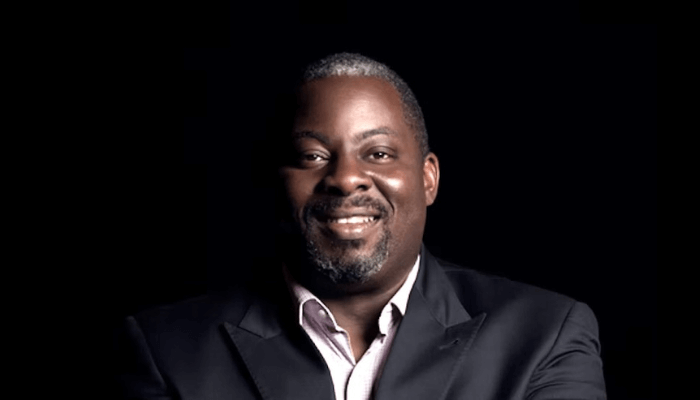
Obi Asika, director general, National Council for Arts and Culture (NCAC), has assured that with the newly launched Council for Creative Technology Futures (CCTF), Nigeria’s culture and creative sectors would soon begin to witness a merger of culture and code, storytelling and smart contracts, heritage and innovation.
Asika, who disclosed this at the unveiling of the CCTF in Abuja recently, noted that the groundbreaking national initiative, which is codesigned to place Nigeria at the forefront of global innovation where culture meets code, is also approved by the Federal Ministry of Art, Culture, Tourism and Creative Economy.
“We are not just reacting to global change, we are leading it from Africa,” Asika said.

The initiative is coming at a time Nigeria’s creative economy, which is projected to surpass $25 billion by 2025, has continued to shape global narratives across music, film, fashion, gaming, and digital content.
Considering the above, the newly launched CCTF, according to the NCAC, will serve as a high-level policy, strategy, and implementation platform for harnessing emerging technologies such as Artificial Intelligence (AI), Augmented and Virtual Reality (AR/VR), Web3, and blockchain across over 49 creative industry sectors.
Asika detailed the core mandates of the CCTF to include: Guiding Nigeria’s creative industries into a digitally empowered future that drives job creation and economic growth; equip creators with global tools, platforms, and market access and to enhance Nigeria’s position as a cultural and technological powerhouse.
The CCTF will also deliver the National Creative-Tech Framework & Roadmap (2025–2030), aligning with the National AI Strategy, Executive Order 005, the Digital Economy Policy (2020–2030), and NCAC-led programs such as ICE Hubs and Discover Naija. The council will take memorandum from stakeholders and collaborate closely with NCAC sister agencies in culture and tourism and take memorandum from interested stakeholders’ angle will also advance global advocacy to elevate Nigeria’s creative sector on international platforms and look for the best-in-class solutions to drive economic growth. Membership is pro bono, reflecting a national service ethos and a shared commitment to a digitally empowered creative sector.
In its first phase, the council will establish foundational frameworks and deliverables, paving the way forward for the creator economy, while strategic partnerships will be developed with the British Council, University for the Creative Arts UK, UNESCO, Google, Meta, AfDB, Giz, The Eu, Netflix, and other key development and technology partners, to mobilise investment, technical expertise, and global exposure for Nigeria’s creative-tech future.

“The launch of the Council for Creative Technology Futures is a milestone,” Asika added. “We are building the foundation for Nigeria’s creative future—where our stories, music, art, and innovation are protected, monetized, and celebrated globally.”
Meanwhile, the inaugural council members include: Charles Emembolu, TechQuest, Talent Development (chairman); Misan Harriman, director & photographer; Dayo Elegbe, Sponge Group, Digital Marketing; Bizzle Oshikoya, The Plug, Music & Talent Management; Kemi Awodein, MD, Chapel Hill Denham; Osas Peter, founder, BlackAt; Malik Afegbua, AI Storytelling & Creative Visual Futurism; Sandra Oyewole, IP Lawyer, Olajide Oyewole & Co; Judith Okonkwo, Imisi 3D, AR & New Technology Leader; Dahiru Sani, founder, Kaduna Business School and Chinedu Odoala, head, NCAC Secretariat.
With the strategic launch, Nigeria is taking a bold step into the future, unlocking millions of jobs, increasing IP exports, attracting venture capital, and empowering a new generation of creators, technologists, and entrepreneurs.