Circular economy is fast emerging as a transformative solution, as Africa grapples with the challenges of urbanisation and waste management.
Unlike the use and discard system common with traditional linear economy, circular economy promotes reuse, recycling, and resource efficiency.
This shift is not only reducing waste but also creating jobs, driving innovation, and supporting sustainable development.
The African continent is uniquely positioned to benefit from the circular economy; with its fast-growing population and urbanisation, waste generation is massive.

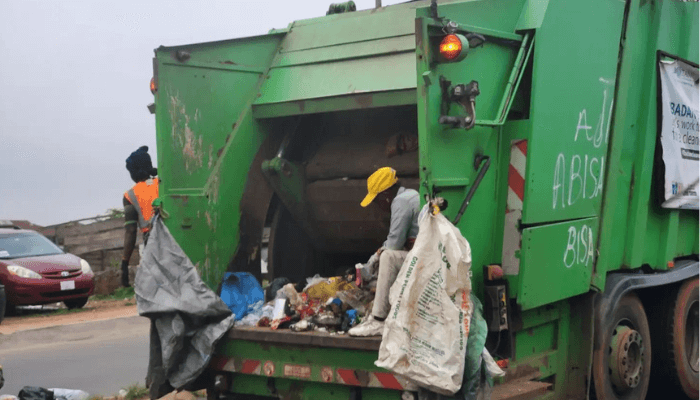
According to the World Bank, Africa generates over 70 million tonnes of waste, which about 32 tonnes comes from Nigeria annually, much of which ends up in landfills ecosystems.
Obviously, there are massive opportunities in waste management for African firms to optimise.
According to Adelopo AbdulGaniyu, principal quality control officer for waste, water, sewage and environment at UNILAG, “There must be value for waste, waste is power, don’t throw it away.
This is where innovative companies and progressive policies are needed to transform the waste challenge into opportunities for economic growth and environmental resilience.
Read also: Waste management interventions funding: Commercial goal or behaviour change focus?

Policy and regional momentum
African countries such as Kenya, Nigeria, and Rwanda have made strides toward circularity. Rwanda has pioneered strict anti-plastic policies, leading the way in plastic waste reduction.
Kenya’s ban on single-use plastics and Nigeria’s extended producer responsibility (EPR) programmes are fostering sustainable business practices.
Some organisations are also working to accelerate the transition across the continent by promoting knowledge sharing and policy harmonisation.
Business-led innovation
A key driver of Africa’s circular economy is the reimagining of waste as a resource. From plastic recycling to e-waste refurbishment, businesses are uncovering economic value in discarded materials. FREEE Recycle, a Nigerian enterprise, exemplifies this shift.
Through an integrated recycling and manufacturing (IRM) model, FREEE processes end-of-life tyres into rubber crumbs, which are used to manufacture high-quality products such as sandals, paving materials, and flooring.
This zero-waste process has enabled the firm to scale its impact locally and globally.
The company has created over 400 jobs annually, achieved profitability in 2024, and established international sales channels in the UK and US.
Beyond tyre recycling, other industries are also embracing circular principles; plastic waste repurposing, e-waste recycling, and organic waste upcycling.
In the fashion sector, upcycled clothing brands in South Africa and textile recycling initiatives in Ghana are promoting circularity in consumption.
In agriculture, bio-based fertilisers and biofuels derived from organic waste are replacing chemical alternatives and improving food security.
Read also: FCTA moves to outsource waste management in satellite towns
Economic opportunity and social impact
The economic potential of circular business models in Africa is substantial. Research by the African Development Bank (AfDB) suggests that a transition to a circular economy could unlock $350 billion in new economic opportunities by 2030.
Sectors such as renewable energy, green manufacturing, and waste-to-value services are poised for exponential growth.
Moreover, circular economy models will promote inclusive employment. The formalisation of Africa’s vast informal waste sector is offering dignified, sustainable livelihoods.
Firms such as FREEE has proven that sustainability is both an environmental imperative and a smart economic strategy.
However, inadequate infrastructure for waste collection and processing, weak policy enforcement, and limited consumer awareness continue to hinder circular innovation.
Besides, funding is another major hurdle, particularly for startups needing upfront investment in advanced recycling technologies.
Navigating these hurdles necessitate a multi-stakeholder approach; and business-friendly policies from the governments such as tax incentives, grants, and green procurement guidelines.
For Africa to fully embrace the circular economy, collaboration among governments, businesses, and civil society is essential. Policies that incentivise recycling, investments in waste management infrastructure, and awareness campaigns is crucial to scaling circular economy solutions.
The transformation of Africa’s recycling landscape is already underway. With continued innovation and inclusive investment, the continent can convert waste into wealth, fostering sustainable development while protecting the planet.
Rethinking waste through circular economy models is not just a sustainability goal, it is an economic necessity. The journey has begun, and the opportunities are limitless.