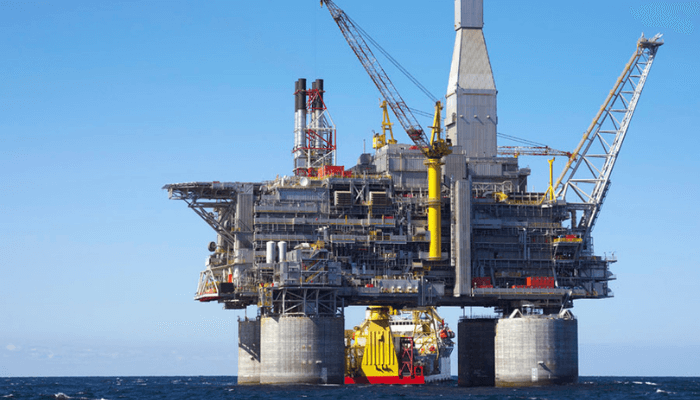
US oil and gas rigs continued to fall last week despite still-rising levels of production. Drillers idled 48 rigs (37 of which were oil rigs), dropping the number to 1,310 and marking the 11th consecutive decline, Baker Hughes reported on Friday.
The total US rig count is down 32 percent since October, an unprecedented retreat. The median forecast from a Bloomberg survey was for a decline of 52.
The Baker Hughes rig count is a newly popular and controversial signal for US oil watchers.
Rigs are used to explore for new deposits and to drill new wells. The theory goes that when oil rigs decline, fewer wells are drilled, less new oil is discovered, and oil production slows.

Read also: Private sector driving, unlocking the gems in Nigeria agric sector
That would be good news for investors hoping for a rise in crude prices after the oil crash.
But production isn’t slowing yet, and new efficiencies in US drilling and pumping may make raw numbers of rigs in the field misleading.
The US will pump 9.3 million barrels a day this year, the most since 1972, despite the fewest rigs in the field in almost four years, the Energy Information Administration forecast last week.
Most analysts didn’t follow rig counts closely until a surge in US production led to a crash in oil prices by more than half since June.