With eyes on rising inflation and surging liquidity, the Central Bank Nigeria (CBN) on Friday moved against wide projections by analysts and raised the Cash Reserve Ratio (CRR) by 500 basis points to 27.5%.
But it retained the Monetary Policy Rate (MPR) at 13.5%, citing comfort with its policies so far and the need to yet again, allow time to understand growth trend for the year.
The CBN also left the Liquidity Ratio (LR) steady at 30% as well as the Assymetric corridor around the MPR at +200/-500 basis points.
Nine members of the all eleven present voted to alter the CRR while leaving all other policy parameters constant. Two members voted to leave all parameters constant.

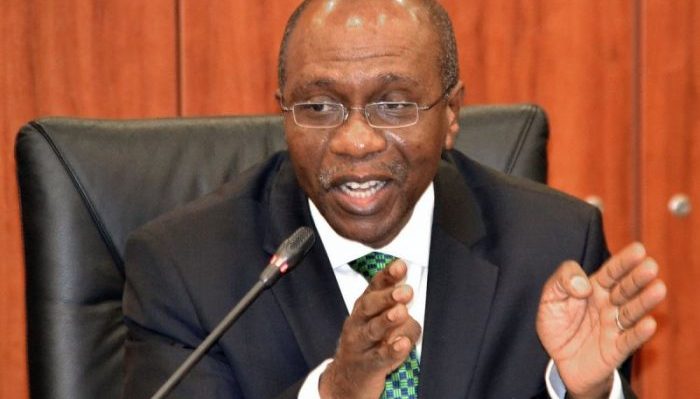
Governor Godwin Emefiele who briefing on the outcomes of the two days Monetary Policy Committee (MPC) meeting told reporters in Abuja that there were concerns at the meeting that inflation was fast rising beyound tolerable threshold, pushed by both monetary and structural factors.
“Inflation above the 12% will be inimical to output growth,” Emefiele stated.
Inflation moved up to 11.98 percent (year-on-year) in December 2019, the highest rate within that year and also since May 2018. Authorities blame heightening inflation which have come through largely food and also core – on the current border closure policy.
Inflation remains above the apex bank’s 6 percent to 9 percent target band with fears that price risks could elevate following the take-off of the approved N30,000 minimum wage, the over two trillion naira liquidity pumped into the economy by commercial lenders on the back of the CBN 65% Loan to Deposit Ratio policy and also an expected early commencement of 2020 budget implementation.
Emefiele explained MPC position that because inflation was already getting to a disturbing threshold beyond which it becomes growth retarding, there is need to deploy urgent action to reverse the trend.

There is also the committee fears on huge liquidity in the market, particularly coming from not only the fiscal spending but also the re-jigged OMO policy which saw the exclusion of some actors from the market.
Emefiele said this also exacerbates fears of a possible liquidity surge in the market in near future.
Read Also: Updated: CBN raises CRR to 27.5%
“We felt there is therefore the need to mop the excess liquidity to a level that is considered optimal to run the economy to avoid a possible harm on the economy,” Emefiele explained.
Emefiele further assured of CBN confidence the raised CRR will not in anyway impede lending but will rather help strengthen growth which the International Monetary Fund (IMF) projects will come through at 2.5% in 2020.
He also expressed the MPC concerns on rising debt and called government to rather raise revenues and depend less on oil receipts.
According to the Governor, “The MPC, cautioned that public debt was rising faster than both domestic and external revenue, noting the need to tread cautiously in interpreting the debt to GDP ratio.
“The Committee also noted the rising burden of debt services and urged the Fiscal Authorities to strongly consider building buffers by not sharing all the proceeds from the Federation Account at the monthly FAAC meetings to avert a macroeconomic downturn, in the event of an oil price shock.
“It urged Government to gradually reduce reliance on oil receipts and focus on revenue diversification through reforms of the tax system. The Committee also called on Government to rationalize fiscal expenditure towards reducing the current excessively high cost of governance.”
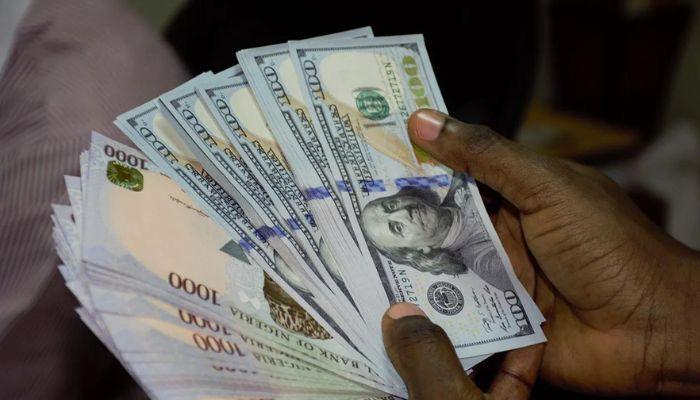
On concerns of depleting foreign reserves, Emefiele assured that the CBN was comfortable with the present $38bn level, reiterating the apex bank’s commitment to continue to sustain stability in the FX market. He particularly ruled out a possible devaluation of the naira on whatever account.
“It is important for us to know that reserve is there to meet the country’s obligation, so from time to time reserves goes up and comes down. Yes, the drop has become so noticeable that people are beginning to say it may result in an adjustment in the naira.
“But let me say that at a reserve level of about $38bn today, and crude price at above $57, $60 and sometimes $70, we believe that we are comfortable and we will continue to sustain the current foreign exchange management policies with the results that we have seen in the market.
According to him, “there is no need for anybody to think that an adjustment will happen.
“The CBN is able to meet all its obligations, the reserve level is high and strong enough to meet obligations in the economy and so there is no need for anybody to contemplate that.
“We believe crude price at above $60 is a strong level that can be used to support the economy and also continue to sustain the stability that we see in the foreign exchange market today.”
Onyinye Nwachukwu, Abuja