The ongoing instability in Ukraine following the annexation of Crimea by Russia has accentuated the need for countries depending significantly on Russia for their gas supplies to diversify their energy sources.
Analysts have said that should the Ukrainian crisis escalate further, the consequences will be harsher for Russia’s economy, as well as the countries relying heavily for Russian gas.
The United States (US) has condemned Russian’s annexation of Crimea and announced visa bans and asset freezes against senior Russian officials, wealthy oligarchs and Russian banks. The European Union (EU) in the last two months has also frozen assets of scores of Ukrainians and Russians accused of fueling unrest and two energy companies that were expropriated by Russia when it annexed Crimea.
Europe has yet to impose any sanctions that would block trade with Russia due to its reliance on Russian energy, as any economic sanctions on Russia could end up disrupting gas supplies to the EU countries depending on Moscow.

Russia provides 30 percent of the EU’s natural gas, and the 28-nation bloc has few options to replace a cut-off by Russia this winter, according to a draft energy security document seen by Bloomberg News.
Russia’s threat to cut off gas supplies to Ukraine if the country does not pay its back bills and agree to prepay for future supplies at a higher price presents problems for the EU, which gets half its Russian gas — 15 percent of its total supply — through Ukraine’s Soviet-era pipelines. That dependence proved a weak point for Europe when Russia shut down transmission to Ukraine in 2006 and 2009.
On Monday, Russia said it had pushed back the possible cut in gas shipments until next week. Gazprom hinted that it might delay the gas supply cut even further if Ukraine starts making partial payments for April and May deliveries.
Twelve EU member states get more than 50 percent of their gas from Russia, including four – Lithuania, Estonia, Finland, and Latvia – that depend on Gazprom as their sole supplier, according to Eurogas, a Brussels-based lobby group. Europe also imported 32 percent of the continent’s total crude oil consumption last year from Russia, according to the Paris-based International Energy Agency.
Poland, Slovakia, Bulgaria, Romania, Hungary, the Baltic states have a much higher dependence on Russian energy, making them more vulnerable to a gas cut by Russia.

Bulgaria, which joined the EU in 2007, receives more than 85 per cent of its gas from Russian giant Gazprom via Ukraine and Moscow has used this for decades to influence policy. The country’s largest oil refinery is owned by Russia’s Lukoil and its sole Soviet-built nuclear power plant still runs on Russian fuel.
While Norwegian, Algerian or British gas could replace some losses from Russia, prices are higher, and those nations have existing customers.
The EU’s executive is reported to have proposed a strategy to secure the bloc’s energy supplies and reduce its reliance on Russia by seeking new sources in the Caspian Sea, the Mediterranean, and importing more liquefied natural gas (LNG).
But developing a southern corridor from the Caspian Sea region and Iraq, and increased LNG imports from Qatar and the U.S. are longer-term fixes and it is also costly.
Poland, with its history of tense relations with Russia, has invested in an LNG terminal to wean itself off Russian gas, and Lithuania has said it will do the same.
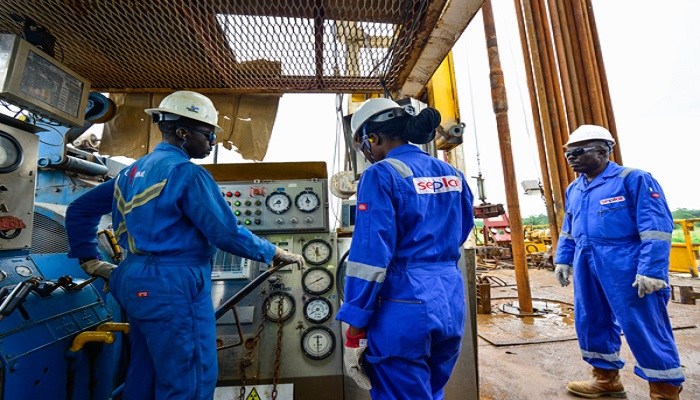
Energy-rich countries such as Azerbaijan and Nigeria could emerge as a winner in the international crisis over Crimea, if the West pushes away from Russia as a natural-gas supplier, said analysts.
“Whatever the net effect, rising tensions in multiple friction points worldwide will instigate demand for new energy resources. That, in turn, could allow Nigeria to broaden and diversify its energy resources with those nations that have been most exposed by the Ukraine crisis and other energy-related friction,” said Dan Steinbock, research director of international business at India-China and America Institute.
FEMI ASU