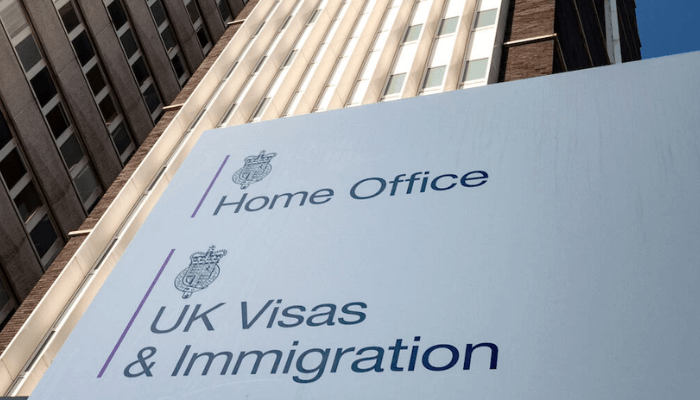
UK Home Office officials have accused the Department for Education (DfE) of undermining proposed reforms to the graduate visa scheme, which are part of broader government efforts to reduce immigration.
The reforms would require overseas students to secure graduate-level jobs to remain in the UK, replacing the current two-year post-study stay allowance.
The Home Office claims the education department has encouraged Universities UK to oppose these changes, frustrating efforts to meet the prime minister’s directive to cut net migration.
The graduate visa scheme, introduced by the Conservative government in 2021, currently allows international students to remain in the UK for up to two years after completing their degree—regardless of whether they are employed.

Read also: UK’s 10-year visitor visa fees increases to £1,059 from April
However, ministers are now looking to tighten the scheme, requiring graduates to secure a skilled job in order to extend their stay, according to individuals familiar with the plans.
The policy shift is expected to be a cornerstone of Sir Keir Starmer, UK’s Labour leader forthcoming white paper on immigration, due next month.
Whitehall insiders say frustrations are running high within the Home Office over what is seen as resistance from the Department for Education (DfE). Officials claim the DfE has pressured Universities UK—the sector’s main representative body—to publicly oppose any tightening of the graduate visa system.
“We’ve been tasked by the Prime Minister to bring down net migration and we’re trying to deliver on that,” said a Home Office source. “It’s really frustrating to see the education department lobbying Universities UK to push back.”

The debate highlights tensions between the departments.
The Home Office cites data showing many graduate visa holders earn below £30,000 annually and links the scheme to asylum claims, raising concerns about misuse.
Read also: Here’s how Nigerians can apply for a UK spousal visa
Meanwhile, education officials and university representatives argue that the visa route is vital for the economy, contributing £40bn annually, and for universities facing financial strain.
Critics warn that curbing the scheme could harm the higher education sector and deter international students.
The controversy underscores the delicate balance between immigration control and the economic benefits of international education.
Starmer is expected to unveil a white paper next month detailing the government’s migration strategy, with the graduate visa reforms as a key component.