Nigeria today is witnessing a crisis not merely of policy but of confidence. Bold reforms, especially the removal of fuel subsidies, deregulation in fuel and power, and currency unification, were introduced to correct long‑standing structural distortions. But rather than being met with support, they have triggered anger and protests. This reaction is less about the technical merits of the reform and more about the deep erosion of trust that has built up over the years.
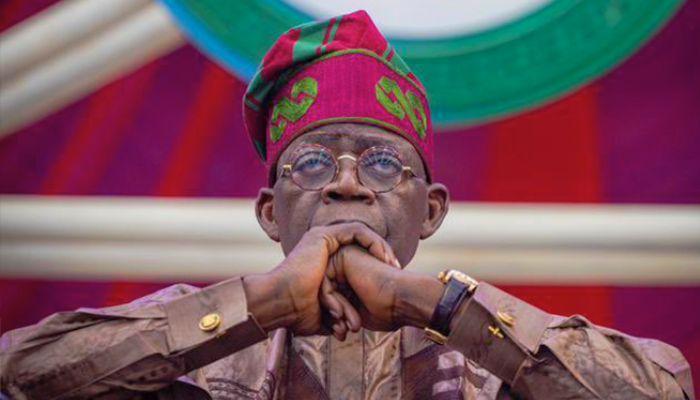
In May 2023, President Bola Tinubu’s administration removed the fuel subsidy, ending a practice long criticised as fiscally unsustainable. Along with that, the naira was devalued, and serious changes were applied to the currency exchange regime. These moves were widely seen by economists as necessary to restore fiscal discipline and attract investment. Yet, for many Nigerians, the immediate impact has been rising costs across all sectors of the economy and shrinking purchasing power.
Read also: Nigeria’s $500bn housing deficit pushes developers to explore shortlets, flexible payments
By late 2024, World Bank figures projected that nearly 40 percent of Nigerians would be living below the international poverty line, as inflation surged, driven largely by the combined effects of subsidy removal and foreign exchange reforms.

The fact that food prices climbed sharply and that many households struggled with even basic access to essentials has only deepened the sense that government policy is disconnected from ordinary lives.
Joe Ajaero, president of the Nigeria Labour Congress (NLC), has become a key figure in voicing popular frustration. Under his leadership, the unions have repeatedly warned of strikes over fuel price hikes, electricity tariff increases, and living costs.
Nigerians, especially in more vulnerable regions, have expressed feelings of betrayal. Polls by Afrobarometer indicate that many believe Nigeria is headed in the wrong direction. Opposition to subsidy removal runs high; in 2024, a large percentage of respondents said they would favour reinstating subsidies given the hardship it caused.
This distrust is not unfounded. Over many years, policies have often been announced with great fanfare only for their implementation to fall short. Promises of improved power supply alongside tariff hikes, or better infrastructure funded by subsidy savings, rarely materialise in a way people can see. Corruption, leakages, poor targeting of assistance, and weak enforcement of laws have all contributed. The result is that even well‑intentioned reforms are treated with suspicion.
“For Nigeria to move past this trust deficit, government policy must be clearly rooted in consistent, people‑oriented, market‑stimulating logic and carried through in practice so that benefits become visible.”

Moreover, inflation, which has hovered at double‑digit rates, is felt in the pocket, as transport and food costs shoot up, while incomes often lag. For many Nigerians, economic policy equals immediate personal cost rather than long‑term gain.
Over 31 million Nigerians were reported to be facing acute food shortages in mid‑2024, with subsidy removal cited among the major causes compounding insecurity and market disruptions.
In an effort to cushion the pain, the government approved direct cash transfers. 12 million households were to receive monthly support, and each beneficiary was to get N25,000 for three months.
Yet many argue such measures are insufficient or poorly implemented.
For Nigeria to move past this trust deficit, government policy must be clearly rooted in consistent, people‑oriented, market‑stimulating logic and carried through in practice so that benefits become visible. Believing the following steps can be important.
Clear and predictable policy signals: Policies should be introduced only when the government is ready to follow through. No frequent reversals or half‑measures. If reforms imply hardship, the government must provide credible assurances through palliatives, subsidies for the most vulnerable, or phased implementation.
Strengthened legal and institutional frameworks: Corruption undermines trust more than bad economics. Ensuring that subsidy savings are used for health, education, and infrastructure must not just be promised but also monitored. Independent audits, transparency in budgeting, and civil society oversight are vital.
Effective social safety nets: Direct support schemes (cash transfers, subsidised transport or power for low‑income households) must be well‑targeted, inclusive, and efficient. Integrity in distribution, avoiding leakages, and ensuring that vulnerable communities are not left behind are critical.
Read also: Poor work ethic, integrity deficit & entrepreneurship: Angels to the rescue?
Communicating the rationale and expected results: Many Nigerians do not oppose reform in the real sense; they oppose reforms whose benefits are unclear or delayed. Educating the public (via media, town halls, and local leaders) about how subsidy removal reduces fiscal waste, what projects the savings will fund, and timelines for impact can help.
Accountability in delivery: If the government commits subsidy savings to infrastructure but roads remain bad, or electricity remains unreliable, trust erodes further. Measuring outcomes (e.g., kilometres of road built, improvement in power supply metrics, reduction in school fees) and publicly reporting them helps show that policies are not merely talk.
Trust is not built with declarations but with deeds. If Nigerians come to see that painful reforms yield concrete improvements, cheaper power in real terms, better roads, schools, hospitals, and stable inflation, then the skepticism that greets policy will gradually fade.
President Tinubu, Wale Edun, the finance minister, and officials such as the CEO of NNPC, Bashir Bayo Ojulari, must recognise that policy legitimacy depends as much on results and fairness as on economic theory. When people believe that policymakers understand their suffering and act in ways that show empathy, consistency, and competence, the outrage will soften, and citizens will support even difficult reforms.
In the end, Nigeria needs more than good policies – it needs a track record of good outcomes. Until then, every reform, however well designed, risks being met with suspicion. And that trust gap, once large, is hard to close, but not impossible, if consistency, accountability, and citizen welfare are made the foundation of governance.