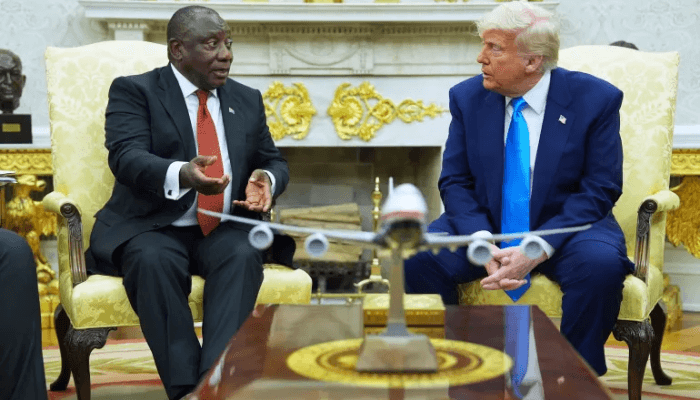
The Trump administration has escalated its rift with South Africa by announcing that the country will not be invited to take part in any G20 events hosted in the United States next year. President Donald Trump said Washington will also stop all payments to the African nation, accusing its government of mistreating a United States representative at this year’s summit in Johannesburg.
In a post on social media on Wednesday, Trump said South Africa had “demonstrated to the world they are not a country worthy of membership anywhere,” adding that the United States would halt “all payments and subsidies effective immediately.” He said the 2026 G20, set to take place in Miami, would proceed without South Africa.
Read also: South Africa judges G20 summit a triumph of multilateralism despite US no-show
The move marks the first time a country has been excluded from the meetings of the world’s biggest economies in the group’s twenty-year history. It also deepens a diplomatic feud that has widened steadily since Washington boycotted this year’s summit in Johannesburg over what it called anti-American policies and alleged violence against white Afrikaners. South Africa rejects those claims as baseless.

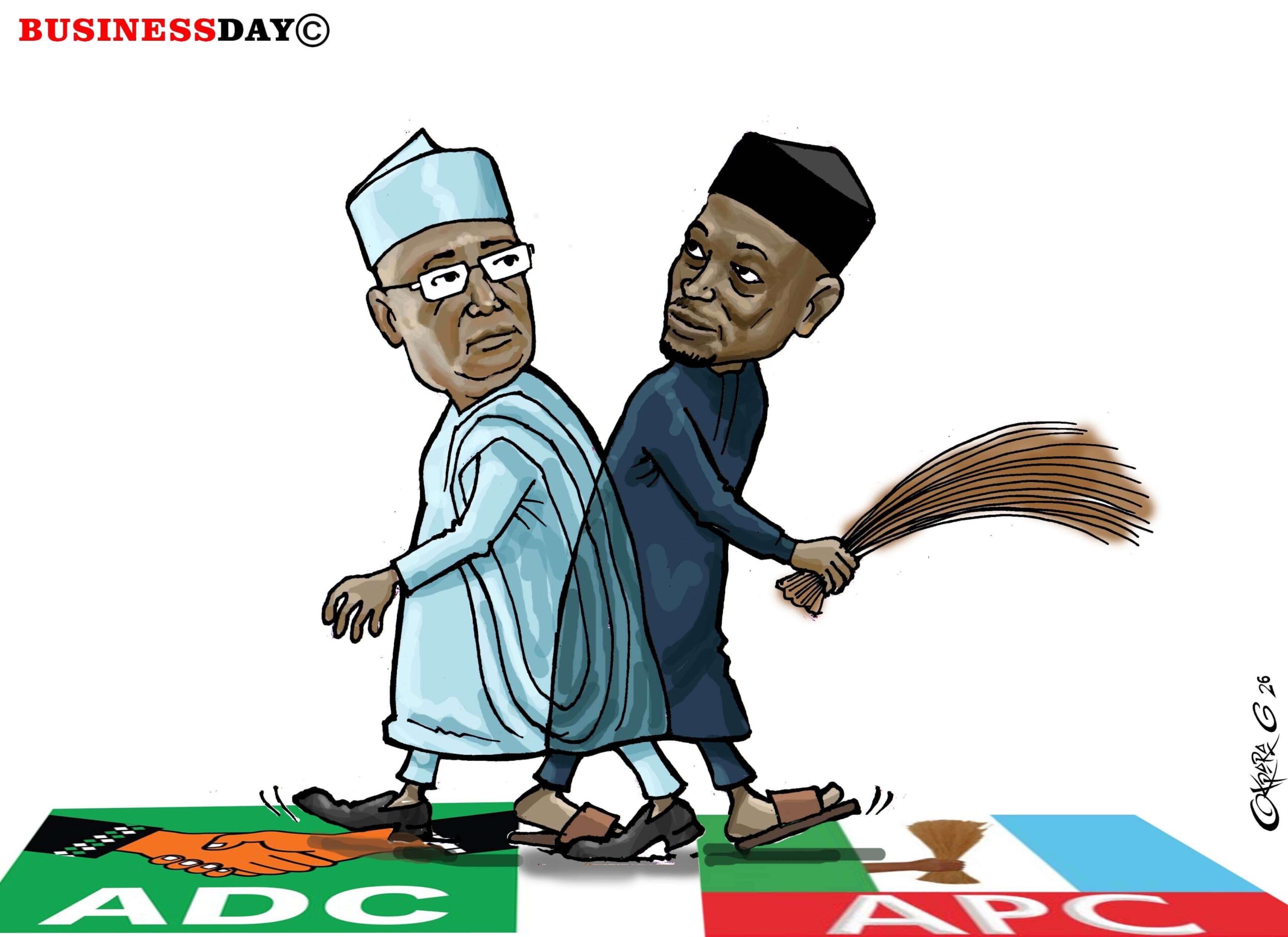
The immediate trigger for the latest fallout was a dispute at the end of the Johannesburg summit, where the host country traditionally hands a wooden gavel to the incoming presidency. Because the United States refused to send a senior official to the meeting, South Africa declined to hand the gavel to a junior representative from the United States embassy. Trump called the decision an insult.
South Africa took over the G20 chair at the start of the year and ended its term this month. With no senior American delegate in attendance, the handover did not take place.
Read also: S/ Africa rebukes U.S. for boycotting G20, opposing consensus
Long running grievances
Trump has repeatedly accused South Africa of allowing violence against white Afrikaner farmers and of seizing their land. The South African government, along with independent researchers and Afrikaner groups, says those claims are driven by misinformation. Still, the narrative has shaped United States policy.
In February, Washington suspended aid to South Africa after alleging discrimination against white farmers. Last month the Trump administration capped annual refugee admissions at seven thousand five hundred, reserving most places for white South Africans. A small number have already been admitted under that policy.

The administration has also criticised South Africa’s diplomatic ties with China, Russia and Iran, framing the country as moving against United States interests.
Rising diplomatic costs
Relations have deteriorated sharply throughout the year. In March, Washington expelled the South African ambassador and declared him persona non grata. In return, South African officials have accused Trump of weaponising the G20 presidency for political and personal gain. The 2026 summit will be held at Trump’s own golf resort in Doral, Florida, a venue he has promoted publicly.
Read also: Top 10 G20 countries with the largest impact in Africa
South Africa’s presidential spokesman Vincent Magwenya said earlier Wednesday that Pretoria had “heard similar speculation” but had received no formal notice of the decision. He said South Africa would respond once official communication arrived.
The United States formally took over the rotating G20 presidency on Monday. It remains unclear how the absence of South Africa will affect the group’s agenda in the year ahead, especially as the United States refused to sign this year’s final declaration, which focused heavily on climate issues and priorities of developing nations.
The boycott and the new exclusion underline how far Washington and Pretoria have drifted from their long standing relationship. As Trump tightens his stance and pressures allies and rivals alike, the fallout is likely to reverberate well beyond next year’s summit in Miami.