It’s a new year, and looking back, it’s wild how much our relationship with food has shifted. Not just what we eat, but how we get it, who we trust to teach us to cook it, and whether it’s worth posting before we take that first bite.
Some of these trends made sense. Some were genuinely good. Some were just fashionable. And some? Completely unnecessary. But they all left their mark on how Nigerians interact with food today.
Let’s highlight a few of the trends shaping the Nigerian food scene in 2026.
Interior design is now part of the menu

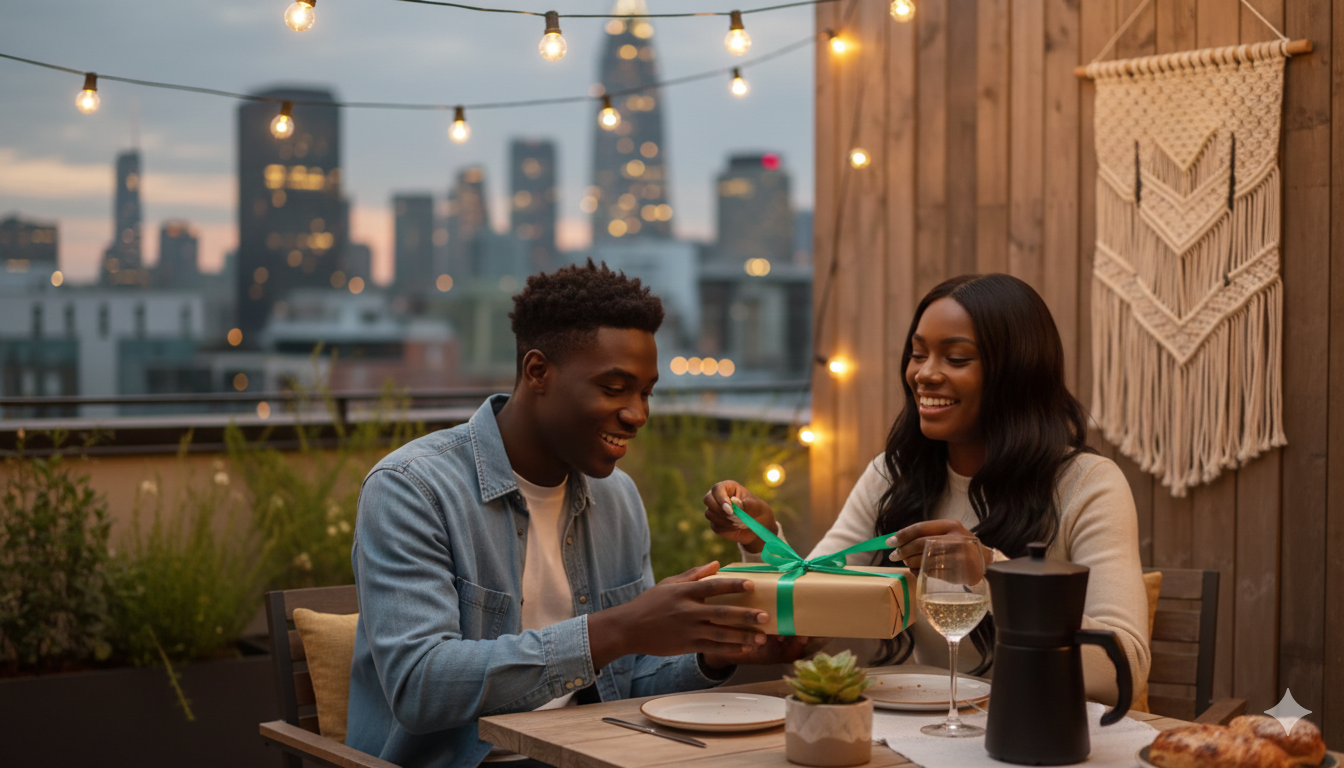
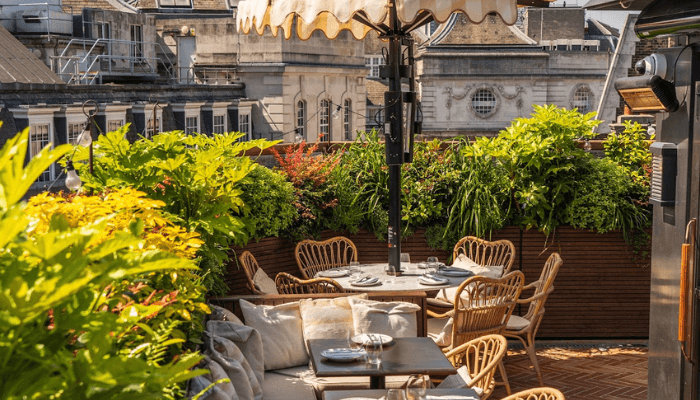
Walk into any well-regarded restaurant in Lagos or Abuja, and the intentionality is obvious: someone thought carefully about how this space photographs. The lighting isn’t an accident. Those terracotta walls, the brass fixtures, the plants positioned in corners—they’re all doing work.
This isn’t vanity. Restaurants have learned that if a space doesn’t look good on Instagram, it might as well not exist. Customers are choosing where to eat based on what they see online, so operators are treating design as a form of marketing. Neutral tones, textured surfaces, statement art that doesn’t overreach—it’s become a recognisable formula, and it works.
The result is that Nigerian restaurants look better than they ever have. The trade-off is that many are beginning to look similar, following the same aesthetic playbook that guarantees social media traction but offers diminishing returns in distinctiveness.
Technology is now deeply embedded in the dining experience
QR code menus felt experimental a few years ago. Now they’re simply part of the infrastructure. The same applies to digital ordering, online reservations, and contactless payments—all of which have become baseline expectations, particularly in urban centres.

For diners, the shift has streamlined the experience. For restaurants, it addresses operational challenges: inventory management, rush-hour service bottlenecks, and payment reconciliation. The technology is no longer discussed because it has been absorbed into routine.
Social media, too, has been integrated into restaurant operations. Chefs consider how dishes will appear on a phone screen before plating them. Dining rooms are arranged with lighting and angles in mind. This isn’t cynicism—it’s simply an acknowledgement of how visibility and reputation are built today.
Fine dining is taking Nigerian cuisine seriously
For years, Nigerian fine dining seemed to operate from a position of insecurity—heavy on French technique, light on local ingredients, with presentations that could have appeared on any menu in Europe. That dynamic is shifting.
Chefs are working with greater assurance now. Local dishes are being reimagined with attention to texture and balance. Suya spices are deployed in contexts that don’t announce themselves. Indigenous proteins and grains are treated with the kind of technical care that allows diners to experience them differently. This isn’t fusion as novelty—it’s refinement rooted in a clearer sense of what Nigerian cuisine can be within a premium context.
Diners, meanwhile, have shown themselves willing to pay for thoughtful reinterpretations of familiar food, provided the execution feels deliberate rather than performative. The momentum around this shift feels substantive, not fleeting.
Street food has moved upmarket
Street food never disappeared, but its cultural positioning has changed. Suya, akara, bole, roasted corn—foods that have always been present—are attracting renewed attention, particularly among younger urban diners seeking authenticity, affordability, and flavour without pretence.
Part of this shift is structural. Many vendors have improved hygiene standards, presentation, and consistency, making them genuinely competitive with small restaurants. However, the change is also attitudinal: there is now less inclination to treat street food as a fallback option or guilty pleasure. It is increasingly viewed as a legitimate and desirable choice in its own right.
Formal restaurants are responding accordingly. Casual dining spots are borrowing street food formats and flavours—loaded shawarma fries, elevated suya platters, jollof rice with contemporary twists. The boundary between street and restaurant is becoming less fixed, reflecting how Nigerians actually eat when cultural hierarchies are set aside.
Globally trendy foods and drinks are now normalised
Bubble tea is trendy now. So is matcha. Korean corn dogs, iced coffees, gourmet cookies, loaded fries—none of this registers as experimental anymore. These items have moved from novelty to standard menu offerings.
What’s notable is that these global trends are not displacing Nigerian staples. They exist alongside them. A customer can order jollof rice and brown sugar boba at the same establishment without contradiction. This reflects how urban Nigerians actually eat—fluidly, without rigid adherence to culinary categories.
Restaurants are making serious investments now: purchasing specialised equipment, training staff properly, and sourcing ingredients with consistency. This indicates that demand is steady and reliable, not driven by passing curiosity. Social media may have introduced these trends, but repeat patronage suggests a genuine appetite.