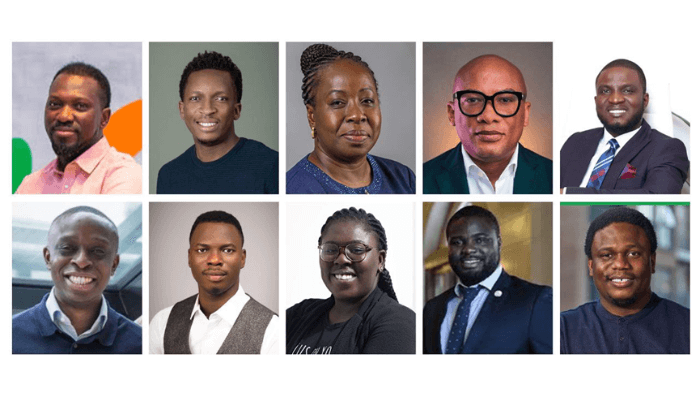
Nigeria’s tech ecosystem has exploded into a powerhouse driving digital transformation across Africa. The country now hosts over 3,360 startups, the highest number on the continent. These entrepreneurs have built solutions addressing critical challenges from payments to education, creating billions in value while improving lives across Africa.
Nigerian tech founders have transformed how Africans send money, shop online, learn new skills, and access financial services. Their companies have attracted global investors, with five Nigerian startups reaching a combined valuation of $6 billion in 2024. These visionary leaders are not just building successful businesses but reshaping Africa’s digital future.
Here are ten Nigerian tech founders whose products are revolutionising the African tech landscape
Olugbenga Agboola
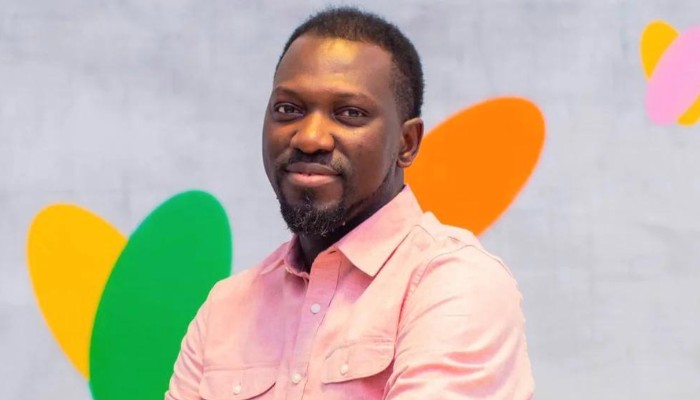

Company: Flutterwave
Valuation: $3 billion
Olugbenga “GB” Agboola co-founded Flutterwave in 2016 alongside Iyinoluwa Aboyeji and Adeleke Adekoya. The fintech giant has become one of Africa’s most valuable startups, processing payments for over 1 million businesses across 34 countries.
Before Flutterwave, Agboola worked at PayPal where he gained deep insights into global payment systems. He identified the fragmented nature of African payment infrastructure as a major barrier to business growth. Flutterwave decreases payment barriers for businesses by providing a unified API that connects African businesses to global payment methods.
The company has raised over $475 million in funding and processes billions of dollars in transactions annually. Agboola holds a degree from the University of Nigeria and has positioned Flutterwave as the payment backbone for African businesses looking to scale globally.
Shola Akinlade


Company: Paystack
Exit: Acquired by Stripe for over $200 million
Shola Akinlade co-founded Paystack, simplifying online payments for African businesses. Acquired by Stripe in 2020 for over $200 million, Paystack has become a leading payment processor across Africa. The acquisition marked one of the largest tech exits in African history.
Akinlade started Paystack in 2015 with Ezra Olubi after experiencing payment frustrations while running previous ventures. The start-up wants to be a “very intelligent bridge between merchants and payments processors”, connecting multiple payment methods through a single integration.
Under Akinlade’s leadership, Paystack grew from processing payments for small Nigerian businesses to serving major companies across Africa. The platform now handles millions of transactions monthly, enabling thousands of businesses to accept online payments seamlessly. Akinlade studied Computer Science at Babcock University.
Funke Opeke
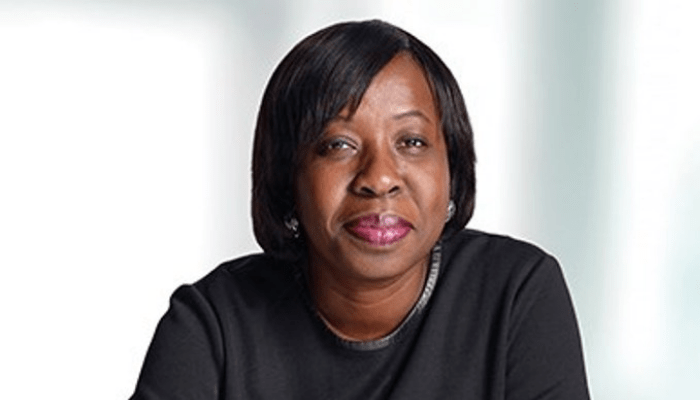
Company: MainOne
Achievement: Built West Africa’s first privately-owned submarine cable
Funke Opeke is the founder of MainOne, West Africa’s leading communications services and network solutions provider. She built Nigeria’s first privately-owned, open-access, 7,000-kilometre undersea high-capacity submarine cable and the country’s largest Tier III data centre.
After working as an executive at Verizon, Opeke moved back to Nigeria and noticed how poor internet connectivity was limiting the country’s growth. She founded MainOne in 2010 and launched a landmark submarine cable that significantly enhanced internet capacity in West Africa.
MainOne’s 7,000 km fibre optic cable network stretches from Portugal to Nigeria, providing internet to Nigerian businesses, homes, and internet service providers. The company was acquired by Equinix for $320 million in 2022, marking one of the largest tech exits in Nigerian history.
Opeke was named one of the World’s Top 50 Women in Tech in 2018 by Forbes. Her work sparked the internet revolution that connected Nigeria to the global digital economy, providing the backbone infrastructure that enabled the country’s tech ecosystem to flourish.
Mitchell Elegbe
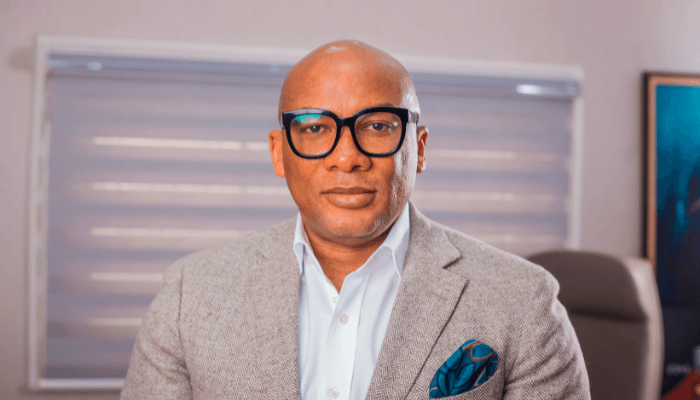
Company: Interswitch
Valuation: Over $1 billion
Mitchell Elegbe is the founder and Group Managing Director of Interswitch, a company that has revolutionised Nigeria’s payment landscape. He established the company in 2002, pioneering electronic payments in Nigeria when most transactions were still cash-based.
Elegbe revolutionised Nigeria’s financial sector by founding Interswitch, a company that introduced electronic payments and ATM transactions. The platform now processes over 70% of electronic transactions in Nigeria, connecting banks, merchants, and consumers through secure payment rails.
Interswitch operates the Verve card scheme, competing with global brands like Visa and Mastercard. The company has expanded across Africa, providing payment infrastructure for governments and businesses. Elegbe holds an MBA from Stanford and continues to lead Interswitch’s expansion into new markets and services.
Read also: Nigerian female founders lead top tech award list
Olusegun Enitan Dada (OED)

Company: ZojaPay, ZojaTech, Smartsend Finance, IT Horizons
Achievement: Serial entrepreneur with four successful tech companies
Olusegun Enitan Dada is a serial entrepreneur who has built four successful tech companies across fintech, software development, and ICT solutions. Over 15 years, he has driven digital transformation across Africa through his companies ZojaPay, ZojaTech, Smartsend Finance, and IT Horizons.
Dada started his entrepreneurial journey in 2009 with IT Horizons, addressing ICT infrastructure challenges for Nigerian businesses. He identified recurring problems in enterprise technology and decided to build solutions rather than complain about them. This foundation company helps businesses build their technology backbone, networking, cybersecurity, and infrastructure.
His fintech ventures tackle different aspects of financial inclusion. ZojaPay brings cash and payment solutions directly to people’s locations through a peer-to-peer network, operating 24/7 through everyday people helping their neighbours. Smartsend Finance helps Africans living abroad send money home quickly and affordably. ZojaTech designs and builds custom software solutions for companies needing specific digital tools.
Dada’s approach focuses on solving problems he has personally experienced. His companies combine technological innovation with a deep understanding of local financial behaviours and regulatory requirements, making him a significant force in African fintech evolution.
Tunde Kehinde

Company: Jumia
Achievement: Co-founded Africa’s first tech unicorn
Tunde Kehinde co-founded Jumia in 2012, building it into Africa’s largest e-commerce platform. The company went public on the New York Stock Exchange in 2019, becoming the first African tech company to list on a major US exchange.
Kehinde identified early that mobile internet adoption would drive e-commerce growth across Africa. He built Jumia’s logistics network from scratch, creating infrastructure that now serves millions of customers across 11 African countries. The platform has processed over $2 billion in transactions.
Before Jumia, Kehinde worked at McKinsey & Company and holds an MBA from Harvard Business School. His vision transformed online shopping across Africa, introducing millions to e-commerce for the first time. Jumia now operates marketplaces, payment services, and logistics networks across the continent.
Emmanuel Olorunshola

Company: Kixmenu, Foodkix, Luwasuite, Mencura
Achievement: Serial entrepreneur bridging African and UK markets
Emmanuel Olorunshola is a serial entrepreneur whose ventures span from early cryptocurrency commerce to modern food technology and cross-border business solutions. He launched Shopnow.ng in 2017 as Africa’s first Bitcoin-only e-commerce platform, demonstrating prescient vision in digital currency adoption.
In 2021, he founded Foodkix, a bicycle-first food delivery service that addressed Nigeria’s logistics challenges with an eco-friendly model during the pandemic recovery. This led to Kixmenu in 2022, a digital menu and POS system that has modernised thousands of Nigerian restaurants with QR code ordering and contactless payments.
Expanding internationally, Olorunshola launched Luwasuite in 2024, an HR and compliance platform serving businesses across the UK and Africa. Most recently, he founded Mencura in 2025, a men’s wellness brand that combines consumer goods with social impact, advancing conversations around male health and wellbeing.
His journey from Bitcoin commerce pioneer to food tech innovator and now cross-border entrepreneur reflects the evolution of Nigeria’s startup ecosystem and its growing global influence. Olorunshola consistently identifies emerging opportunities and builds locally-adapted solutions that scale across markets.
Read also: Meet the top 10 tech founders accelerating Nigeria’s digital space
Odunayo Eweniyi

Company: PiggyVest
Achievement: Co-founded Nigeria’s largest digital savings platform
Odunayo Eweniyi is the co-founder and Chief Operations Officer of PiggyVest, Nigeria’s largest digital savings and micro-investment platform. She identified that many Nigerians were still using offline wooden boxes known as “Kolos” to save money and saw an opportunity to digitise financial habits.
Eweniyi is a first-class graduate of Computer Engineering from Covenant University with five years of experience in Business Analysis and Operations. Before PiggyVest, she co-founded PushCV, one of Africa’s foremost job sites with the largest database of pre-screened candidates.
She has been recognised on Forbes Africa’s “#30Under30” list and “World Women in Fintech Power” list. PiggyVest has transformed how millions of Nigerians save and invest money, making financial services accessible to previously underserved populations. She is also the co-founder of Feminist Coalition and continues advocating for financial inclusion across Africa.
Iyinoluwa Aboyeji

Company: Flutterwave, Andela, Future Africa
Achievement: Serial founder building African tech talent
Iyinoluwa Aboyeji co-founded Flutterwave in 2016, but his impact extends far beyond fintech. He previously co-founded Andela, which trained thousands of African software developers, and now leads Future Africa, funding early-stage startups.
Aboyeji co-founded Andela in 2014 to address Africa’s talent shortage by training world-class developers. The company raised over $200 million and placed thousands of African developers with global companies. After leaving Andela, he joined Jeremy Johnson to build Flutterwave.
In 2020, he founded Future Africa to support early-stage African startups with capital and expertise. The fund has backed over 100 startups across multiple sectors. Aboyeji studied Political Science at the University of Waterloo and represents the new generation of African tech leaders building ecosystem infrastructure.
Tosin Eniolorunda

Company: Moniepoint
Valuation: $1 billion (2024 unicorn)
Moniepoint reached unicorn status with a $1 billion valuation in 2024, making Felix Ike one of Nigeria’s newest billionaire founders. The financial services platform processes the majority of Nigeria’s POS transactions.
Tosin founded Moniepoint to democratise financial services across Nigeria, focusing on underserved markets. The platform now serves over 600,000 businesses and processes billions in transactions monthly. Moniepoint’s agent network spans every local government area in Nigeria.
The company’s success comes from understanding Nigeria’s cash-heavy economy and building infrastructure to bridge digital and physical payments. Ike’s background in software engineering helped him design systems that work reliably even in challenging environments. Moniepoint is expanding across Africa with the same inclusive approach.
Looking Forward
These ten founders represent the dynamism of Nigeria’s tech ecosystem. Their companies have created thousands of jobs, attracted billions in investment, and built products serving hundreds of millions across Africa. They have proven that African entrepreneurs address global-scale problems with innovative solutions.
The next generation of Nigerian founders is already building on this foundation, tackling challenges in healthcare, agriculture, logistics, and climate change. With government support and continued investment, Nigeria’s position as Africa’s tech hub looks secure for decades to come.