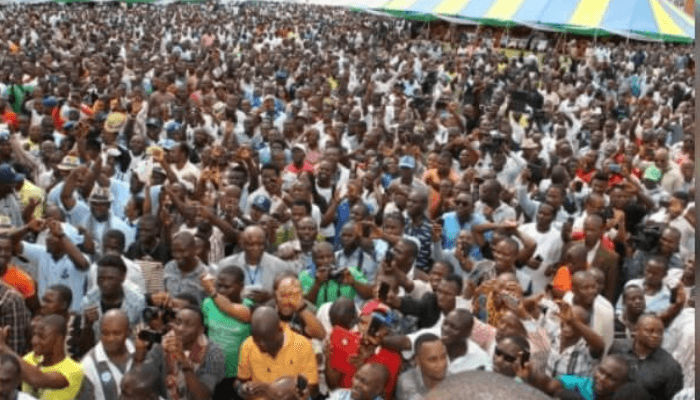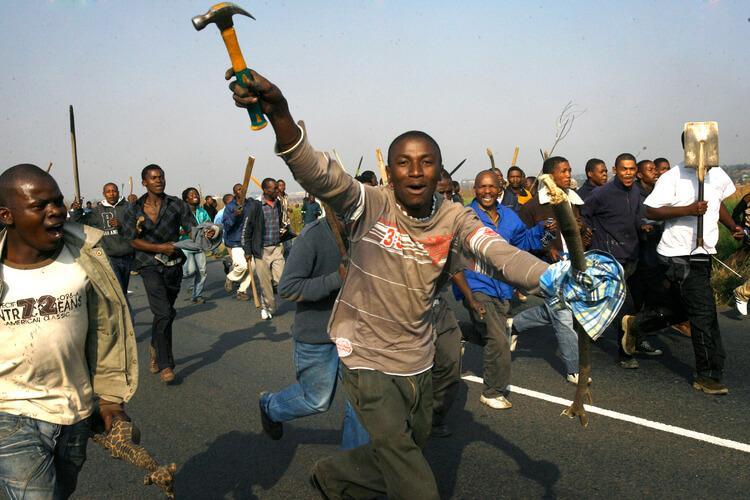
When a group of Poor Township dwelling South African thugs began a wave of deadly riots and xenophobic attacks on foreign immigrants largely from Africa, the fallout could hardly have been foreseen to reverberate across the continent.
The rioting that began in Pretoria before spreading to nearby Johannesburg and environs has led to reprisal attacks in Lagos, Abuja and Lusaka.
Tanzania’s national carrier suspended flights from Dar es Salaam to Johannesburg, while some African leaders boycotted (or failed to show up) at the ongoing world economic forum (WEF) Africa conference in Cape Town.
It has morphed into one big mess, with various countries in the poorest continent on earth who should be embracing trade, free markets and movement of its people as a recipe for sustainable growth, now seeing looting, unhelpful rhetoric (from the party chairman of Nigeria’s ruling APC, and some South African Ministers), and attacks on each other as fair game.

In the Lagos carnage that erupted last week, looters targeted a Mall in the Lekki axis that had South African retailer Shoprite as its anchor tenant.
Tens of Nigerian owned stores were however also ransacked in the ensuing melee, as they became collateral damage or unintended casualties of a stone first thrown some thousands of miles away in Pretoria.
It becomes all the more depressing when you realize that just a few months ago African leaders came together to sign an agreement on a ground-breaking trade deal that promises to ease borders across the continent, while revving up growth.
The Africa Continental Free Trade Area or AfCFTA aims to close a gap in African intra-country trade which is a mere 15 percent of the total value of African trade, compared with 20 percent in Latin America and 58 percent in Asia, according to data from the African Export-Import (AFREXIM) Bank.
This could more than double within the first decade after implementing AfCFTA, according to estimates.

There are 200 million young Africans aged 15-24 who need to see the continent move up a gear to a higher level of economic growth if they are to secure jobs and contribute to their countries prosperity as the workers of the future.
As such trade and investment between Africa is vital as can be seen in some Nigerian corporates who are beginning to expand and invest all across Africa.
Dangote Cement the giant Nigerian maker of the building material is present in 25 countries in Africa (excluding Nigeria) and in the 6 months period (January – June, 2019) it had sales of N467.7 billion, a third of which (N140bn), came from its rest of Africa operations including South Africa.
Other Nigerian corporates are also expanding outside the country including United Bank for Africa (UBA), present in about 21 African countries, Guaranty Trust Bank, Access Bank and First Bank.
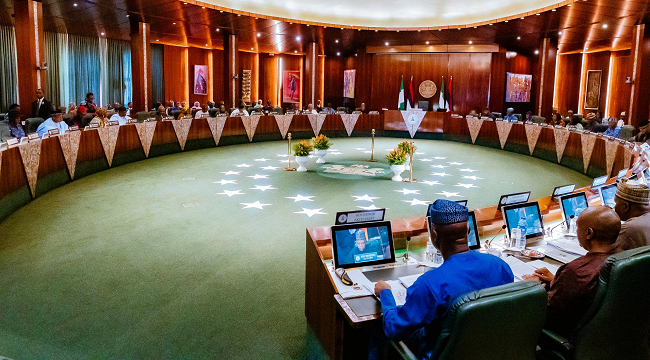
So while tempers flare, cooler heads must prevail as there is no use for grandstanding in place of governance, especially for Nigeria and South Africa, the two largest economies on the continent that are both suffering from high unemployment, low growth and uninspiring leadership.
Growth in Africa’s largest economy (Nigeria) slowed to 1.9 percent in the second quarter of 2019 from a revised 2.1 percent in the first quarter, state-statistics agency, National Bureau of Statistics (NBS), said last week.
There has been scant policy progress since President Muhammadu Buhari was re-elected in February. Most Ministers sworn in recently have barely settled in and frustration has set in for investors seeking clarity. If you are an investor in Nigerian stocks you have lost -13.6 percent so far this year.
South African President Cyril Ramaphosa is also facing criticism from business and investors for the slow implementation of reforms, while proposals published by the National Treasury last month to revive the economy have been shot down by the country’s biggest labor-union federation.
South Africa’s unemployment rate climbed to a 15 year high of 27.6 percent in the first quarter of 2019, while Nigeria’s jobless rate is at 23 percent.
Both economies which together make up half of Africa’s GDP are suffering from low growth rates with South Africa forecast to expand by just 0.3 percent this year, compared to 2 percent for Nigeria.
With large populations of jobless young men and women it is no surprise the recurring violence in South Africa, which hurts all, citizens and foreigners (for instance one woman is murdered every three hours in South Africa, according to police data), and Nigeria where the Lekki riots turned to attacks against innocent Nigerians, never mind kidnappings, 419 and other crimes in the country.
My sense is that both countries need each other more than ever (some 800,000 Nigerians live legally in South Africa) and everything should be done by the adults on both sides to come through these difficult times.
Africans, Nigerians and South Africans have bigger fish to fry (of providing jobs for hundreds of millions of young people amid a global economy moving away from commodities), and time is running out.
Like Atlanta both countries and Africa in general should be “Too busy to hate”!