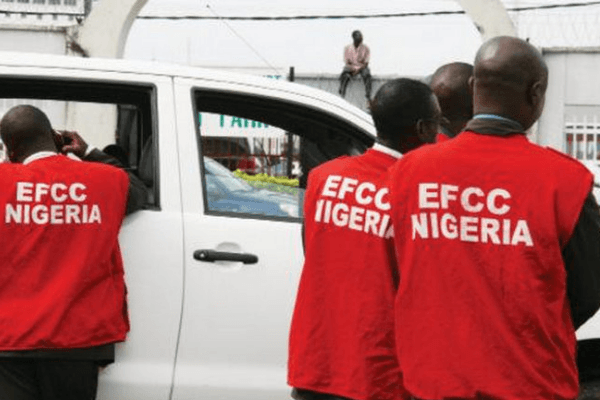
Despite claims to the contrary it is sad that this administration is particularly notorious for its lack of transparency and accountability. The just released report of the Auditor General Federation (AGF) indicts virtually all Ministries, Departments and Agencies (MDAs), including the presidency, National Assembly and the Economic and Financials Crime Commission (EFCC) of financial impropriety and lack of accountability.
According to the AGF most MDAs and the two arms of government (executive and the legislature) have become more reckless with public finance with 323 agencies failing to submit any report – the highest so far in the history of the country.
What is more, despite the existential problem of low revenue and the government’s desperation to generate more revenues through taxes, the presidency, National Assembly, and key agencies such as the EFCC defaulted in remitting various taxes, including the pay as you earn (PAYE), of their staff and value added tax (VAT) on payments to their vendors.
The takeaway from the Auditor General’s report is clear and unmistakable: the government is only engaged in a public relations gimmick when it rails against corruption, lack of accountability and the need for citizens to pay their taxes in public. It doesn’t really mean it. How can a government whose cardinal agenda is to clamp down on corruption and institute transparency in government preside over such wanton abuse of public trust and financial impropriety? How could such record MDAs fail to submit any form of audited financial report under a government that is supposedly fighting corruption? According to the report, 323 agencies failed to submit any report in 2016. In 2015 and 2014, the numbers were 215 and 148 respectively.

How is it possible that even the presidency and National Assembly – two critical institutions that should be driving compliance with all tax laws in Nigeria – fail to remit taxes of their staff and VAT on payments to their vendors? Is it surprising therefore that tax compliance in Nigeria is very low (6 percent of GDP) and citizens do not really trust their leaders enough to manage their taxes? Isn’t it true that tax compliance increases with the rate of transparency and accountability in the utilisation of tax resources by the government?
Much worse is the refusal of the president to give assent to some bills on fiscal governance passed by the Eighth National Assembly. Now that the bills have lapsed with the tenure of the Eighth Assembly, the process will have to begin again – at colossal costs to the country.
The government needs to realise that war on corruption and instituting transparency in government goes beyond mere propaganda. It is easy to create agencies to fight corruption. It is easy to launch a media campaign against perceived corrupt officials or even make scapegoat of some. But such actions never get a country anywhere. They are just mere tokenisms that fizzle out with time.
What helps a society to effectively tackle corruption and built accountability into governance is the deliberate building of institutions and strong institutions of restraints and leadership by example. The sooner Nigeria starts building such institutions, the better for us.