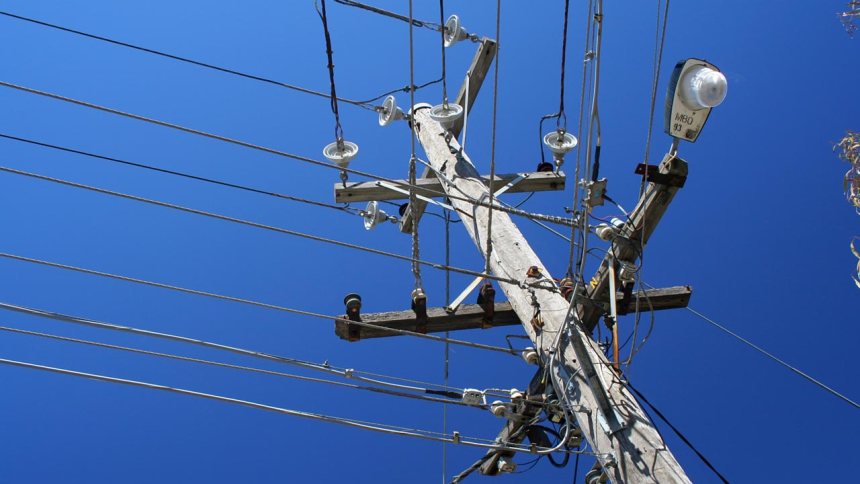
The double tragedy staring electricity consumers in the face is that they are billed in two ways by the electricity companies. Apart from being subjected to horrible estimated bills, consumers are also compelled by companies’ insensitivity to provide many of the infrastructure that could have been provided to ensure a steady supply of electricity to their homes. These infrastructures are also appropriated by the companies without making any refund to the people that put them in place. In other words they are subjected to what could be described as double taxation.
Electricity consumers invest heavily in the distribution network and infrastructure in the form of line materials, transformers, insulators. which the eleven electricity distribution companies signed to do when they were taking over the assets of the defunct Power Holding Company of Nigeria, (PHCN). This was part of what they signed to do when they took over.
The discos should have invested this infrastructure through their capital expenditure (CAPEX) but they have refused to do anything hiding under the guise of a lack of cost-reflective tariff.
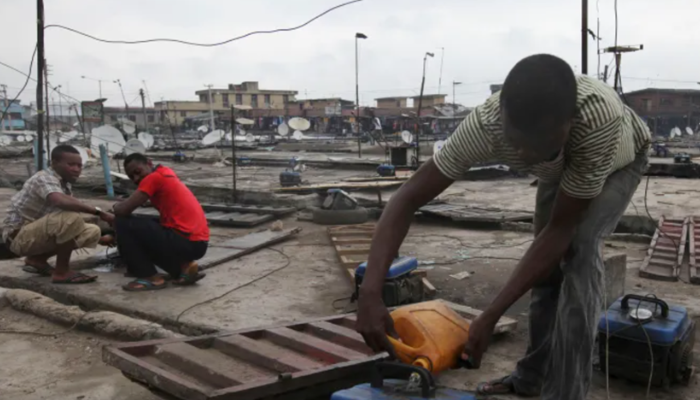
Consumers because of their desperations to have power supply quickly rally round among themselves to get those infrastructures fixed and after they fixed them, the discos take ownership of them and still give consumers estimated bills or other forms of billing.

Read also: With electricity tariff increase imminent, NERC toughens DisCos obligations
Yet, they don’t get a refund for their investments because such a transaction has no contractual agreement binding on both parties.
If such agreement were to be in place according to Ayodami Oladosu, a general contractor, it would have been explicitly stated in the document what role each party should play or what is expected of them. He regretted that many of the infrastructures put in place by consumers have been taken over by the discos and no compensations have been paid for using them.
According to Kunle Kola Olubiyo, president Nigeria, Consumer Protection Network;
”It is a negation of THE globally acceptable principle of “Freewill Consensus ad idem” when a distribution company refuses to provide necessary investment to fund the much needed technical investments in its distribution network, in any given community or forced communities, to write an undertaken under undue influence or forced electricity consumers to enter into an undertaken that the investment made by the consumers are voluntary donations”.

He said, that in terms of meeting of the minds for consensus ad idem, the parties entering agreement are expected to be at par and not one party to the contract forcing the other under duress and undue influence.
In Nigeria’s situation, he said,” electricity distribution companies watch communities invest in distribution networks, buy transformers, concrete poles, feeder pillars, Aluminium conductors, insulators, and also do earthen”.
“ Investments in the region of N5 Million – N20 Million could be undertaken to design a distribution network while the only thing the electricity distribution company will do is to energise the Network and take over ”.
He said, in many cases, consumers are compelled to agree, that the infrastructure provided are donations made free of charge if not, those ”donations” would not be energised to supply electricity.
According to Olubiyo, such an unfortunate scenario and undertaken is akin to commando-like situations.
In many instances, electricity companies would tell the general public not buy anything or contribute money to repair the transformers that got spoilt but they would leave the equipment unattended to for several months and at the end of the day the consumer would have no choice but to contribute money to fix those things.
The Nigerian Electricity Regulatory Commission NERC has also not helped matters as it often says that consumers do not follow due processes in doing such investments.
The commission claims that it is not incumbent on it, to make sure electricity distribution companies are made to refund such investment through electricity bills sent to consumers the moment the distribution companies start using such networks for revenue collections and billing.