Many years ago, I was the deputy head of customer service for NTA; it was referred to as Servicom. This role was meant to ensure both internal and external service delivery. As it was a new area for me, I quickly studied everything concerning customer service and service delivery to bring me up to speed in my new area of the field. As a broadcaster and a researcher, I curated what the expectations of staff were and what our clients expected from us. I then tried to be innovative by providing some strategic processes.
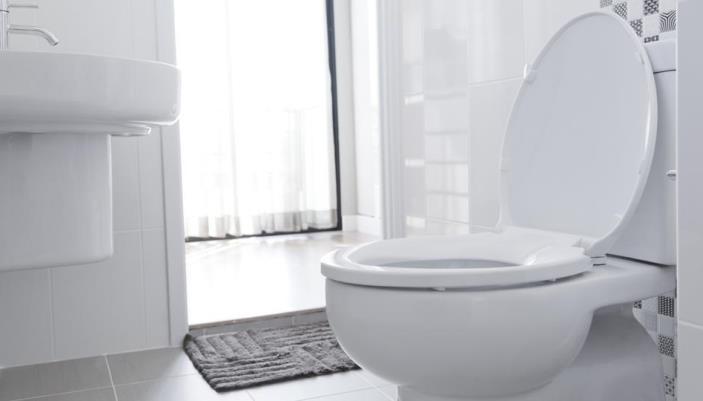
One of the processes involved using a rate card, which I printed and shared with visitors to NTA. The rate card asked how you were served and rated NTA from 1 to 10, 10 being excellent and 1 being very poor. It was a useful measurement instrument for assessing our service delivery. These rate cards were then analysed by our department every week to look at the trend of our service delivery, gaps and challenges, which we now fanned out to the respective departments to be addressed. The other innovation was fairly revolutionary. I developed a monthly Toilet Report for the Director General of NTA. I am sure you are curious to know what this report means or contains.
This report gave the DG a health check of the status of the conveniences across NTA. Which ones were broken, which ones had no water, which ones needed repair and which ones needed to receive cleaning attention?
This Toilet Report gained so much traction that the Ag DG at the time, Mallam Musa Maiyaki, sent for me to do damage control when mischief makers put out on the internet a long-disused and shut-down toilet in NTA. This went viral, and the DG expectedly sent for me, the innovator of the Toilet Report, to seek answers. With damage control done, the toilet was fixed, cleaned and reopened.

I tell this story because it literally speaks to the all-important issue of toilet management and maintenance in our public spaces.
Many years ago, I went to visit a top functionary at a very public Federal government office complex. Using the popular lift (in other words, the lift for us plebeians, which she does not use. I arrived on the floor, to my greatest shock, I was hit by a wave of different levels of odious smells. The stench was unbearable. The toilet was not well kept, and it told its own story through horrible layers of smell. But the corridor led to the office of a top government official, and I reported this to her. In the same vein, some architectural dynamics place the convenience smack in the middle of an eating space. How? I used to wonder if the architect came from the moon. Who does that? But how many persons in management across Nigeria care about their toilets or even know how their staff toilet sits. Some international organisations check out the toilet in your office before they engage with you for consultancies or even when they give out grants.
What about our public spaces largely unmanned for convenience purposes? As you already know, open defecation is a big issue being fought by all international and local agencies concerned. As a result of how important toilets are, the UN designated a day every year as World Toilet Day.
So I arrived at a public event centre last week. A truly formidable and well-known event centre in Abuja. clean tick, well-kept tick, but what got my goat was the fact that there was water running in only 6 out of the 12 taps for hand washing, and for all 12 toilets for women, 5 were out of order, and then there was a crowd.
How do you not maintain a public toilet at an event centre where clients pay a lot of money? I do not understand.

And when all is said and done, a toilet determines the quality of the people who use it and manage it. Our public spaces must be schooled on the importance of clean, well-kept conveniences.
This calls for the onboarding of a new trend in public institutions, a Toilet Report, and I promise I won’t charge for consultancy.
Every institution must have a weekly toilet report. Period!