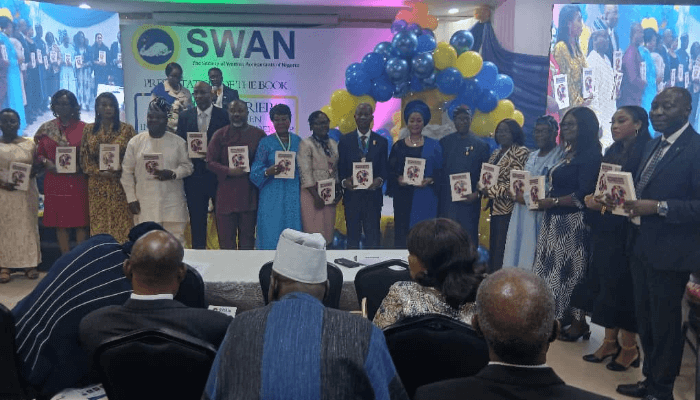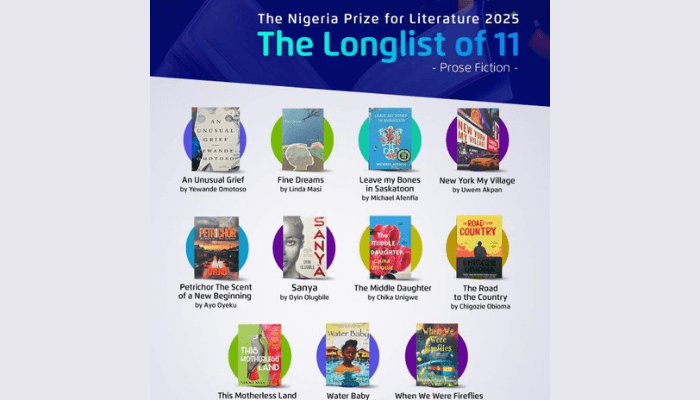
Technology aligned with literature on Sunday, 3 August 2025, as the Committee for Relevant Arts and the Nigeria LNG hosted a book party for the 11 writers on the longlist for the 2025 Nigeria Prize for Literature.
Because only two of the eleven were physically present at the Ballroom of the Lagos Continental Hotel, participants listened to the authors via Zoom. It was live and authentic.


As NLNG noted, “the event marked the first public appearance of the longlisted writers. It featured book readings and a panel discussion, with authors participating both physically and virtually. The gathering united writers, readers, literary enthusiasts, and members of the media in a celebration of Nigerian storytelling.

The Literature Prize panel narrowed down the longlist from a record 252 entries, the highest number in the history of the prize. Professor Saeedat Bolajoko Aliyu of Kwara State University chaired the panel, supported by Professor Stephen Mbanefo Ogene of Nnamdi Azikiwe University and Mr. Olakunle Kasumu, host of Channels Book Club.

Present were Ayo OyEku, author of Petrichor, and Uwem Akpan, author of New York, My Village.
The audience listened to the remaining nine on WhatsApp. Some of them sounded as if they were in that cavernous hall. Those on the call were:
1. An Unusual Grief, Yewande Omotoso
2. Fine Dreams, Linda Masi
3. Leave My Bones in Saskatoon, Michael Afenfia
4. Sanya, Oyin Olugbille
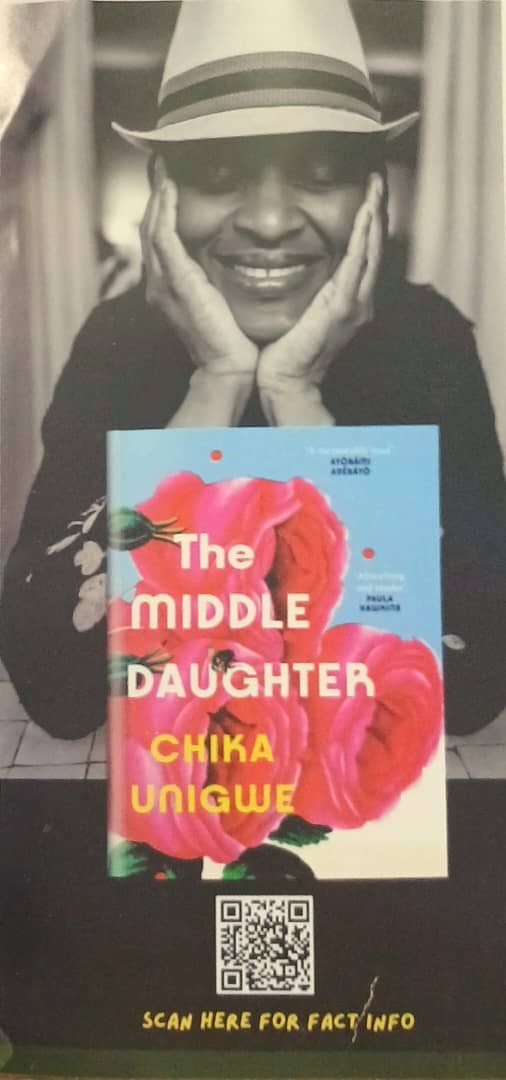
5. The Middle Daughter, Chika Unigwe
6. The Road to The Country, Chigozie Obioma
7. This Motherless Land, Nikki May
8. Water Baby, Chioma Okereke
9. When We Were Fireflies, Abubakar Adam Ibrahim.


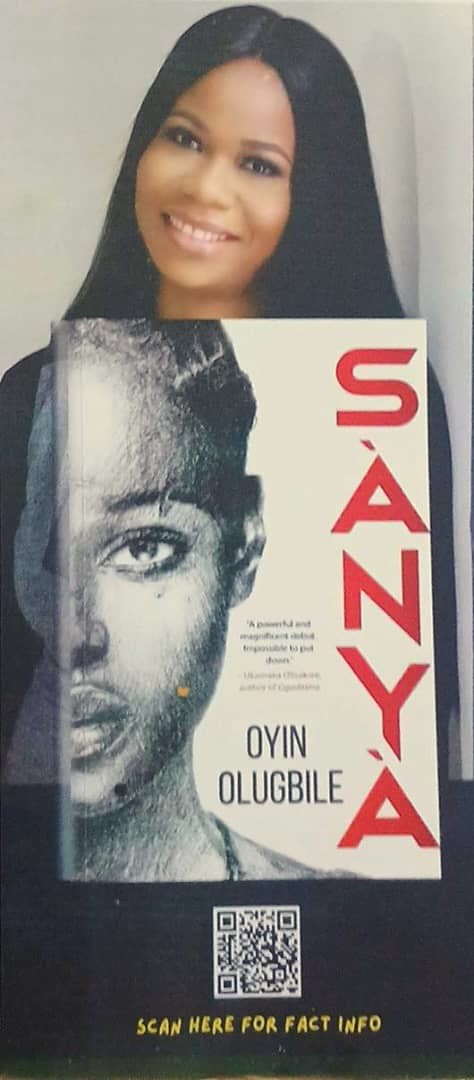
The capsule biographies of the longlisted individuals highlighted remarkable creative talents. Most had received numerous awards, along with many published works and citations. The judges face a challenging task.
The event marked the first public appearance of the longlisted writers. It featured book readings and a panel discussion, with authors participating both physically and virtually. The gathering brought together writers, readers, literary enthusiasts, and members of the media in a celebration of Nigerian storytelling.
The CORA/NLNG Book Party is an annual literary event hosted by the Committee for Relevant Art (CORA) in collaboration with Nigeria Liquefied Natural Gas (NLNG) that celebrates Nigerian writers, particularly honouring the longlisted authors for the Nigeria Prize for Literature (NPL).

This Book Party is positioned as a key occasion in the Nigerian literary calendar as it fosters visibility for Nigerian writers, encourages engagement between authors and audiences, and highlights the importance of Nigerian literature both nationally and internationally. It also serves as a precursor to the annual Lagos Book and Art Festival (LABAF).
Now in its 21st year, The Nigeria Prize for Literature rotates annually among four literary genres: prose fiction, poetry, drama, and children’s literature.
Sophia Horsfall, NLNG’s General Manager for External Relations and Sustainable Development, described the NLNG/CORA Book Party as a standout among the activities leading to the announcement of the winner in October.
This Book Party represents NLNG’s enduring faith in Nigeria’s creative future. While we generate energy to power homes, we also believe that stories inspire hope. Over the past 20 years, the literature prize has sparked dreams, sharpened critical thinking, and inspired a new generation of Nigerian writers now emerging on the global literary scene. The Nigeria Prize for Literature continues to offer visibility, validation, and support to stories that might otherwise go unheard, reminding the world that Nigeria has voices that matter,” Horsfall added.


Horsfall highlighted the literary community’s increasing anticipation before the final announcement, adding that NLNG remains dedicated to promoting excellence through the Prize. She observed that, in addition to honouring writers, the Prize has contributed to raising standards in editing, publishing, and the broader literary landscape in Nigeria.
She praised the shortlisted authors, stating that their achievement is a source of pride for their families, the nation, and NLNG.
CORA Secretary-General Toyin Akinosho emphasised the vital importance of public literary platforms in encouraging closer interaction between writers and their audiences.
He emphasised the need for spaces where writers and readers can engage in meaningful dialogue, exchange ideas, and explore the inspirations behind the writing.
Akinoso delved into history to “highlight the fact that the Nigerian Prize for Literature has become an enabler in the Nigerian literary ecosystem”.


Akinosho recalled, “The first `Book Party took place in the scenic seaside premises of the Goethe Institute in 2010. He said the organisers responded to “calls that the prize should do more than a glamorous gala night in which one author got rich, but the Nigerian book trade and literary scene as a whole didn’t seem elevated. CORA decided to help out. We asked the question: Why don’t we organise book readings in which the top laureates come out to engage with audiences? What is the worth of the riches when you don’t have an audience? Nothing beats a `Book Reading at which an author sits and discusses his work with readers in the room.”
Vote for your $100k prize winner.
Literary enthusiasts should be part of this conversation. Who wins the prize? Which book stands out for most readers?
The good news is that all longlisted books are available in our bookstores and online platforms.
The publishers displayed them at the Lagos Continental Hotel event.
I saw many bibliophiles eagerly reading along to the announcement of the shortlist and then the winner.
The average price of N10000 was a challenge, given that there are 11 books. The Sales Representatives lacked the authority to offer discounts even if you wanted to buy three books.
Here’s an invitation to the publishers. Generate excitement around these books by offering a rebate from now until the shortlist announcement, and then to the winner.
Will a woman win the 2025 Nigerian Prize for Literature?
Seven of the 11 longlisted writers for the 2025 Nigerian Prize for Literature are women. If it were a plebiscite, decided by numerical plurality, it should have a female winner. Is this another year for women?
Some notable female winners of the Nigeria Prize for Literature include:
• Kaine Agary (2008): She won for her debut novel Yellow Yellow, becoming the first debut novel and female author to win the prize.
• Chika Unigwe (2012): Awarded for her prose work On Black Sisters’ Street, she is recognised for her contributions to literature in both English and Dutch.
• Akachi Adimora-Ezeigbo (2007): Won in Children’s Literature for “My Cousin Sammy,” sharing the prize that year with Mabel Segun.
• Mabel Segun (2007): Joint winner in Children’s Literature for Readers’ Theatre, a respected poet and author.
• Cheluchi Onyemelukwe-Onuobia (2021): Won for prose with The Son of the House.
These women have made significant contributions to Nigerian literature across various genres, including prose and children’s literature. Their successes highlight both literary excellence and the increasing recognition of female authors in Nigeria’s premier literary award.