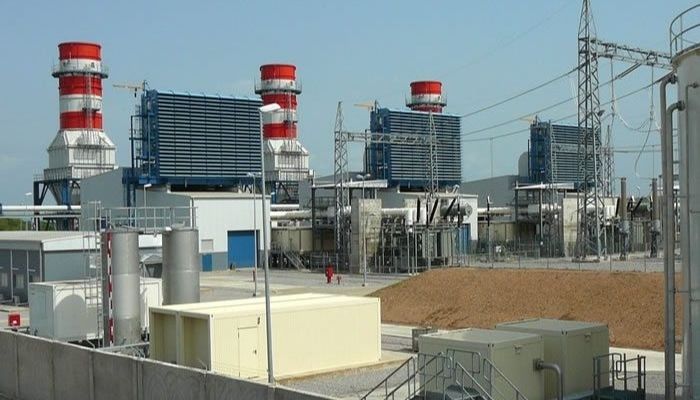
Nigeria’s 2013 power sector privatisation programme, copied from India was designed t address an intractable situation where massive government investments failed to improve power generation and supply.
Both programmes achieved different ends.
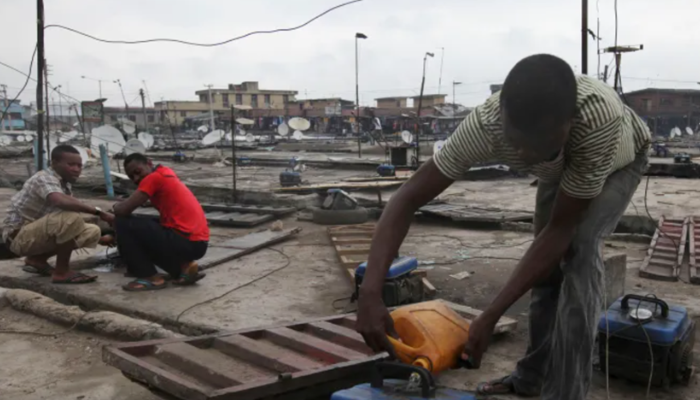
Five years after privatisation which gulped over $3billion, the Nigerian government has provided another N1.2trillion in the form of intervention funding and loans to the players. Actual power supply has risen from less than 2,000MW to above 3,000MW. Nigeria’s population grows at over 2 percent annually and entire cities report power cuts that last for weeks.
India has recorded a different outcome.

A report by its ministry of power says that in the last two years, India had the fifth largest installed capacity in the world. As of October 2016, the installed power capacity was 307.28 GW. Private capacity generation increased to 124 GW in FY2015- 16, which constitutes 41 percent of the total power generated in the country. The electricity generation (including renewable energy) in the country grew by 5.9 percent to 738,027 Million Units (MUs) in 2017.
READ ALSO: Explainer: Why Nigeria’s power sector privatisation is causing uproar
Fixing policy
The power privatisation policy was organised to have the distribution companies (DisCos) who would collect and pay the Nigerian Bulk Electricity Trading (NBET) Plc who will pay every other operator in the value chain – generation companies, (GenCos), gas companies (GasCos) and the Transmission Company of Nigeria (TCN). It was assumed that the DisCos would collect a cost reflective tariff hence a Multi-Year Tariff Order (MYTO) was developed.
However, “the challenge was assumptions that fed into tariff changed,” said Chuks Nwani an energy lawyer, and DisCos began to default badly. Inflation jumped from single digit, gas prices rose and foreign exchange went through the roof. This set in liquidity challenges in the system.

Operators say the regulator; the Nigerian Electricity Regulatory Agency (NERC) erred by failing to enforce sanctions on defaulters. DisCos withheld more than they should without penalties and political interference marred the process.
The privatisation exercise was abused towards the end, when the competent people driving the process were fired and replaced with those pliable to special interests, the regulator was weakened and became susceptible to political interference, especially in matters of tariff and the DisCos became the enfant terrible of the electricity market.
By February 2, 2016, power generation had ramped to 5,074 MW, the highest in Nigeria’s history. Two weeks later, Niger Delta militants blew up the Forcados pipeline which feeds gas to all the critical gas-fired plants in the country and Nigeria’s power sector collapsed.
Conservative estimates say losses were over $3billion dollars by September 2016, with over 1,500MW of power lost because Forcados is Nigeria’s major artery and accounts for 50 percent of gas production. Nigeria depends on gas fired plants to generate 85 percent of its power.
Babatunde Fashola began an incremental policy and soon backed it with N701bn power sector funding to gas producers. Legal challenges made it difficult to review pricing, non-provision of meters lowered collections and liquidity gaps grew north of N1trillion in 2018. The government’s response was to throw more money at the problem.
“The danger with all these bailouts is that Nigerians will still pay for these monies, many of which are given without the consent or knowledge of market operators,” Joy Ogaji, executive secretary of AEGC told BusinessDay.
Nigeria has secured approval for a Power Sector Reform Implementation Programme, along with the World Bank and African Development Bank for a $7.6 billion funding for the sector in 2017 and began a phased implementation of aspects of the programme.
Last year, Fashola announced that Gencos could sell power directly to eligible customers and a competition transition charge has been announced by the minister to assuage the concerns of the DisCos that they will lose huge market share.
NERC has approved a mini grid regulation which has provided opportunity to deepen energy access for rural communities. The Rural Electrification Agency (REA) is ramping up efforts to help communities without access to the grid or those who are underserved to get power through renewable energy sources. There are also many projects coming on stream in rural communities.
Analysts say these efforts can only translate to results if the electricity market in Nigeria is made to work.
ISAAC ANYAOGU