In the heart of Lagos where real estate competition is fierce and plots of land are often sold before the paint dries on the site board, one developer is asking an unusual question: How are Nigerians really living?
For Regis Ohia, Managing Director of Varosi Properties, this isn’t just a passing thought, it’s a guiding principle. “We can’t keep building like it’s a race,” he says, seated in his modest but sharply designed office in Lekki, Lagos. “It’s not just about building fast. It’s about building right.”
At a time when Nigeria is facing a housing deficit estimated at over 28 million units, according to the Federal Mortgage Bank, most of the industry’s attention has turned toward mass production, more units, more land sales, more projects. But Regis is pushing in a different direction, one that places people, planning, and purpose at the centre.
His approach, which he calls “building with intention,” focuses on the total experience of the resident, from airflow and drainage to lifestyle and community engagement. “It’s not enough to put a roof over someone’s head,” he says. “We have to ask: can they breathe? Can they walk safely? Can they raise their kids in peace? Can they live here with dignity?”

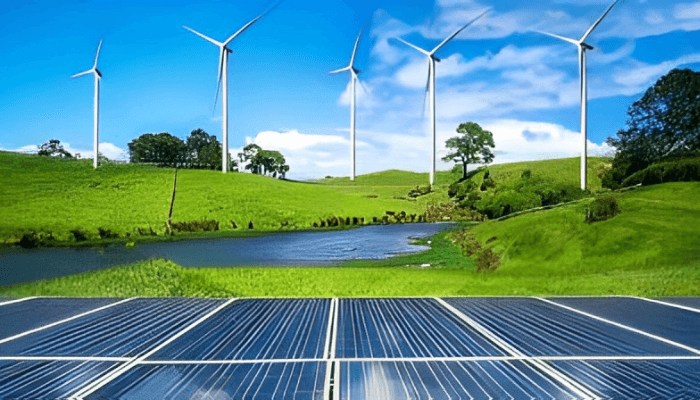
These questions aren’t rhetorical. Regis is part of a growing class of developers rethinking what real estate should mean in Nigeria’s rapidly urbanising cities. His belief in sustainability, structured planning, and green living has become a central part of how Varosi executes its developments.
“In one of our newer projects,” he explains, “we insisted on having a full masterplan in place before anything else. We have brought in consultants to study rainfall patterns, assess elevation levels, and analyse water runoff. It is taking more time, and definitely costs more, but the goal is to develop fully functional gated communities that do not flood, not even during the heavy storms we had last year. In another project, we have implemented a complete zoning structure that clearly separated residential, commercial, cultural, educational and wellness areas, along with dedicated green recreational space. This kind of planning is what allows a development to grow properly and deliver real value over time.”
It’s a sharp contrast to the chaos in many newer estates across Lagos and Abuja, where rising water levels, poor roadwork, poor or non-existent development and zero green space are common.
According to a 2023 report by PwC Nigeria, more than 60% of residential developments in Lagos are built without proper urban planning compliance. This leads not just to discomfort, but to long-term degradation, reduced property value, health issues, and eventual relocation for many residents. For Regis, this is where the real luxury conversation begins.
“Luxury isn’t granite countertops or smart door locks,” he says. “It’s comfort. It’s security. It’s infrastructure that works even when the generator is off. It’s space to walk, air to breathe, and water that flows away, not into your sitting room.” These principles, he explains, aren’t borrowed from abroad. They’re responses to the Nigerian reality, the power instability, the flooding, the cost of living, the changing family structure. “We’re not trying to copy Dubai or London,” he says. “We’re trying to build Nigeria, but properly.”

Beyond infrastructure, Regis is also big on community development. He believes developers should be thinking about how their projects contribute to culture, creativity, and social interaction. “We are designing zones within our estates where people can connect, think parks, spaces for art, small markets, learning centres. These are the things that make a house feel like home.” He says.
It’s an idea rooted in local experience. “I grew up in a neighbourhood where we knew our neighbours,” he reflects. “Where you could walk down the street and greet five different people. A lot of estates today don’t offer that anymore. They’re just real estate, not communities.”
His philosophy appears to be gaining attention. Among Nigeria’s emerging middle class and diaspora investors, there’s a growing demand for eco-conscious, lifestyle-aligned homes that aren’t just big, but intentional.
The International Finance Corporation (IFC) has reported that green-certified buildings can reduce utility costs for residents by up to 40%. In an economy where every naira counts, Regis believes such numbers will soon matter more to homebuyers than the latest imported tile design. “The future of housing in Nigeria will be driven by functionality,” he says. “People are already asking harder questions. They want homes that make sense, not just homes that look expensive.”
Still, he admits it hasn’t been easy pushing this vision in an industry driven by volume and speed. “Sometimes people say, ‘Why not just build and sell quickly?’ But I always ask: and then what? When the roads collapse? When the compound floods? When no one wants to live there anymore? That’s not value. That’s regret.”
Looking ahead, Regis says he hopes more developers, regulators, and even buyers start thinking differently. “Real estate should not be about doing the minimum. It should be about doing what will last. What we build now will define how people live for generations. We owe it to them to get it right.”