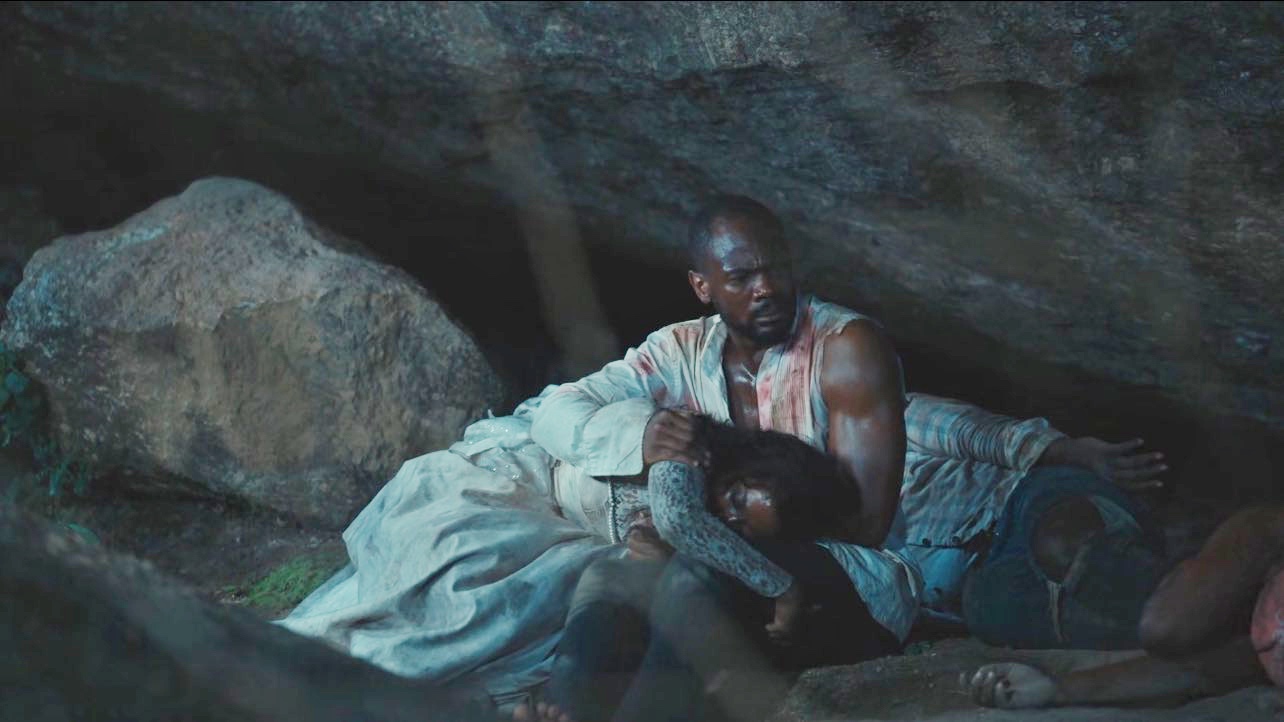
Daniel Etim Effiong’s directorial debut The Herd has emerged as a raw spotlight on the Nigeria’s deepening insecurity. Premiered on Netflix on November 21, 2025, after a five-week theatrical run that grossed approximately N190 million, the crime thriller has captivated over 30 million viewers worldwide while igniting fierce debates at home. For many, it’s a vital mirror to the real-life horrors plaguing highways and communities; for others, a controversial portrayal that risks stereotyping ethnic groups.
The film, which first hit cinemas on October 17, 2025, weaves a harrowing tale of survival amid chaos. Starring Effiong himself in the lead role alongside Genoveva Umeh and Linda Ejiofor, with a powerhouse ensemble including Kunle Remi, Mercy Aigbe, Adam Garba, Abba Ali Zaky, Norbert Young, and Deyemi Okanlawon, The Herd follows a newlywed couple and their friends whose joyous post-wedding convoy is ambushed by armed gunmen posing as herdsmen. Dragged into the bush for a brutal hostage ordeal, the captives grapple with ransom demands, moral dilemmas, and the chilling efficiency of an organized kidnapping ring.
The movie’s narrative echoes the very insecurities that have tormented Nigeria for decades, from schoolchildren snatched in Kebbi to elderly worshippers targeted in Niger State, recent reports alone documenting over 300 abductions in less than two weeks.
The timing of The Herd‘s streaming debut feels providential, coinciding with a surge in national trauma and amplifying its reach on platforms like X. Fans have hailed its boldness: @IAM_DEVION posted, “The Herd is one of those rare Nigerian films that doesn’t just tell a story, it exposes a system. It’s a gripping, unfiltered reflection of the deep-rooted security, cultural, and moral crises shaping modern Nigeria.”

Another user, @Yeribaaba, added, “The Herd on Netflix just exposes the reality of greedy citizens involved in the current happening in the country; unfortunately, those you least expected to be involved are closer to us!” These voices celebrate the movie’s authenticity, with its bold screenplay, grounded dialogue, and tension that avoids melodrama while confronting heavy themes head-on.
Yet, the acclaim has been tempered by sharp criticism, particularly from northern voices decrying perceived ethnic profiling. Basir Ahmed, former media aide to the late President Buhari, took to X to warn, “The reason why some Arewa people are angry about The Herd movie is about the dangerous consequences of profiling an entire ethnic group and region that has already suffered immensely from years of insecurity. I watched the teaser on @NetflixNaija, and even though I haven’t watched the full movie yet, the one clear problem that stands out is stereotyping.”
Read also:The Lagos-Ibadan motorway: A plea for light, security, and fiscal responsibility
This sparked a swift backlash, with users urging a full viewing. Entertainment lawyer @fozadoza retorted, “If you bothered to watch the film, there was a scene where the police men said that the kidnappers stole a herdsman’s cattle and posed. You should act responsibly, watch the movie before hyperventilating.”
@WhizRaphidoo echoed the sentiment: “The anger over The Herd is surprising among the Northerners. A simple scene of cows on the road suddenly becomes an insult? Come on. That’s the everyday reality of herding in Nigeria. We can’t deny what we all see just because it touched a nerve.”

Defenders point out the film’s deliberate nuance that villains and victims are drawn from diverse ethnic backgrounds to underscore shared national peril rather than division.
In a recent interview, director Effiong opened up about the film’s roots in his own life. “Growing up, his family frequently embarked on road trips across Nigeria—journeys that created cherished memories of bonding on the open highway,” he shared. But recent years have soured those recollections: “Rampant insecurity has transformed those same roads into sites of trauma for many Nigerians. What once symbolized connection and adventure now triggers painful memories of kidnapping and violence for countless families. It is this stark shift that compelled Effiong to tell the story at the heart of the movie.” This personal anchor elevates The Herd beyond thriller tropes, with Effiong’s raw, intense lead performance complemented by Umeh’s magnetic depth and the ensemble’s emotional precision.
Ultimately, The Herd transcends cinema to become a catalyst for reckoning. In an era where fiction bleeds into Nigeria’s nightly headlines, Effiong’s vision, which is bolstered by meticulous plotting, authentic performances, and unflinching social commentary, forces viewers to confront not just the bandits on the roads but the systemic failures enabling them.
As one reviewer aptly put it, “The Herd isn’t fiction anymore, it’s Nigeria’s present.” Whether sparking outrage or empathy, the film demands dialogue on healing a fractured nation, proving Nollywood’s power to illuminate the darkness without apology.