This is an article I do not take pleasure in finding fulfilment in writing as a Nigerian citizen and economist. But it is an assignment I am undertaking out of a sense of national duty because I have come to the inevitable conclusion from all available evidence that the Nigerian power sector has failed. This is my 21st article on the power sector since February this year, which is a demonstration of a strong commitment to addressing challenges in a critical and strategic sector of the Nigerian economy and indeed, any economy. Economics is a science, and as such, it holds facts as sacred. Even as a social science, economics is heavily data-driven and empirical (evidence-based). It is impossible to give sound economic advice not based on sound economic principles and supported by dispassionate empirical or observable evidence. We, however, live in challenging times when economic facts are no longer sacrosanct because they are often not comfortable, and there is therefore a tendency to explain them away or politicise them. Economists are not politicians. Their primary motivation is to contribute to building a growing and prosperous economy that meets the needs of its population.
“The problems facing the Nigerian power sector are structural in nature, for which there can only be a long-term, sustained solution, which requires a comprehensive technical, commercial, investment, operational, market and governance package.”
Read also: Nigeria’s power sector under threat, as vandals feast on infrastructure
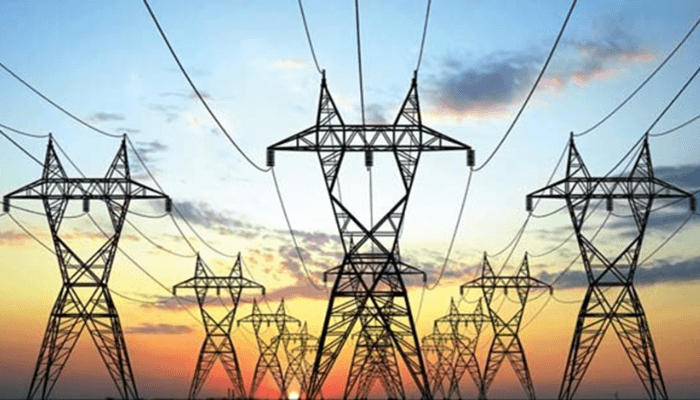
I have, in the last five months, embarked on a vigorous policy advocacy suggesting pathways to repositioning the Nigerian power sector in a manner that enables it to support a vibrant, robust and industrialising economy on a predictable and sustainable trajectory that meets the aspirations of the Nigerian people for employment generation, wealth creation and improved standard of living. But it has become increasingly clear to discerning and informed observers that the Nigerian power sector has failed to live up to the expectations of a cross-section of stakeholders in the Nigerian economy, which is literally all of us. This is not an attempt to vilify the current operators of the Nigerian power sector. It is indeed possible to say without any fear of contradiction that the Nigerian power sector has failed, without at the same time saying that the operators of the system have failed, because the problems with the power sector are systemic. It has to do with, essentially, the system – the operational, ownership and governance structures in place. You can only blame operators who stand in the way of necessary and inevitable change that can turn around the fortunes of the power sector and, by extension, the Nigerian economy.

The Nigerian power sector did not just fail today. It has been failing and has failed for decades, seriously undermining the growth, stability and prosperity of the Nigerian economy. And many of us have believed or pretended that the power sector can be fixed to meet the needs of the economy. But it has now become clear that that is wishful thinking or a desire by some people to hold on to the status quo for as long as possible until the inevitable happens.
Two major developments – the global surge in renewable energy adoption and the Electricity Act – and three demand-side initiatives have hastened the failure of the Nigerian power sector. Global electricity generation from renewable energy and nuclear energy sources increased by 40.3 percent in 2024. Solar energy alone increased by 29 percent. Also, section 34(1) of the 2023 Electricity Act mandates the Nigeria Electricity Regulatory Commission (NERC) to “promote renewable energy development and increase its share in Nigeria’s energy mix.” The Act also empowers NERC to license bulk power consumers for captive power plants (power plants for internal consumption, largely by industrial firms and other large corporations and organisations in both the private and public sectors). As a result, early this year, it was reported that about 250 firms and organisations that received licences for captive generation of power have abandoned the national grid due to its unreliability and frequent collapses. Many of these organisations, including Dangote Industries and Nigerian National Petroleum Corporation Ltd (NNPCL), have so far been able to generate 6500 megawatts (MW) of electricity, which is greater than the roughly 6000 MW generated by the national grid. This is the first demand-side initiative by consumers to abandon the national grid. The Honourable Minister of Power regretted the development, as he felt national grid-supplied power was more reliable. Public power is certainly cheaper, but not more reliable, in the prevailing circumstances in Nigeria.
Read also: FG accuses DisCos of frustrating power sector reforms
The second demand-side initiative by electricity consumers was revealed by a recent report by the African Finance Corporation (AFC), titled “‘State of Africa’s Infrastructure Report 2025’, which claimed that Lagos power consumers have installed renewable energy capacity to generate about 19 gigawatts (GW) or 19,000 MW of electricity, which is about four times the capacity of the national grid as of the time the study was done by Sustainable Energy for All (SEforALL), an international organisation mandated to promote energy transition in developing countries. With its relationship with the United Nations and its global footprint in enabling renewable energy adoption, such staggering figures for renewable energy and captive energy generation in Lagos cannot be waved aside.
Thirdly, is the recent report that the Federal Government has made provision in the 2025 budget of N10 billion for solar energy installation at the seat of power, Aso Rock, Abuja. Some of the reasons included cost-cutting and promotion of renewable energy, but it is the most irrefutable evidence ever of the failure of the Nigerian power sector.

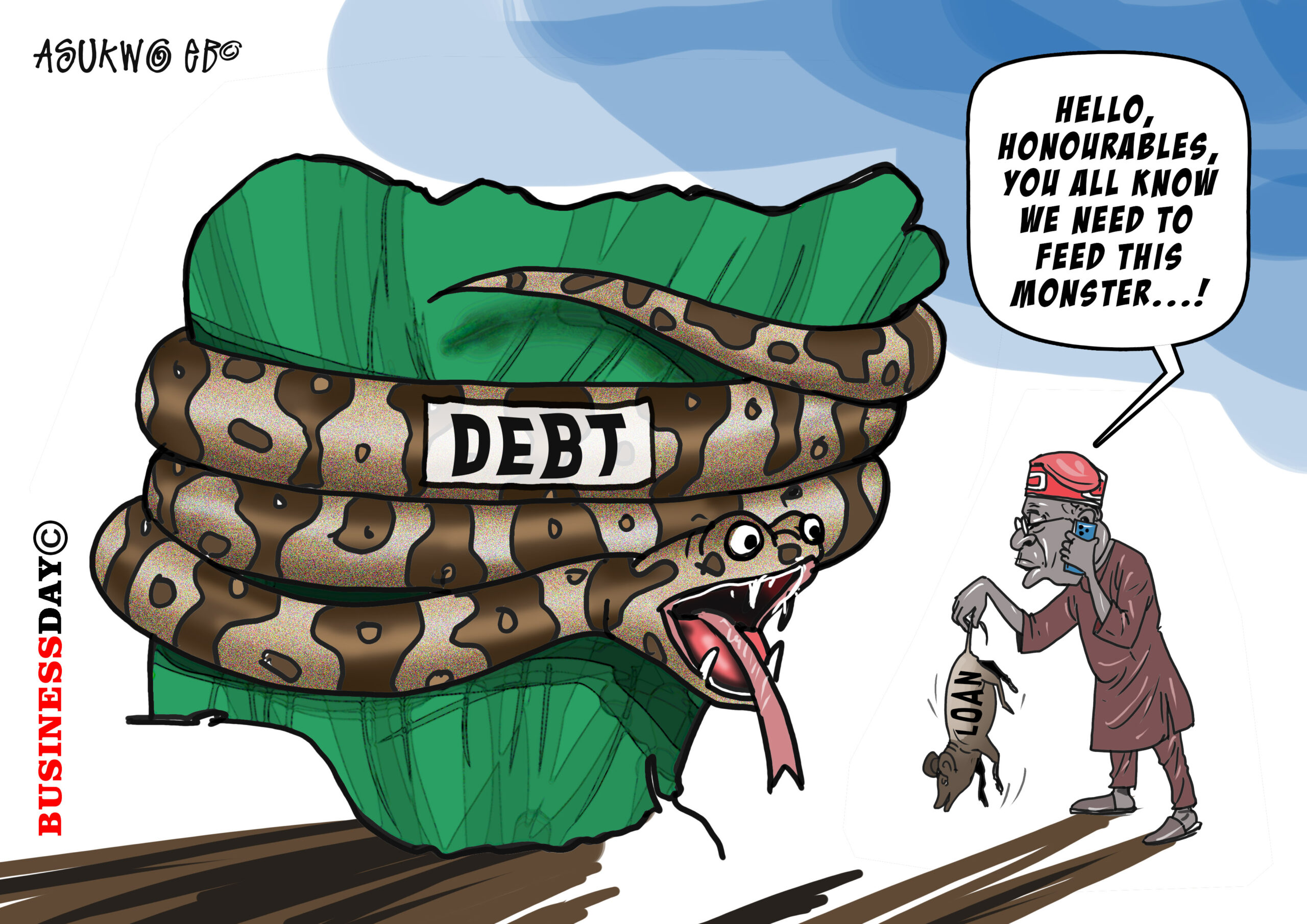
The problems facing the Nigerian power sector are structural in nature, for which there can only be a long-term, sustained solution, which requires a comprehensive technical, commercial, investment, operational, market and governance package. At the heart of it must be a total privatisation of the entire power sector. The Nigerian power sector cannot be reformed for optimal turnaround and performance without the three tiers of government led by the Federal Government graciously agreeing to let go of the power sector for a new breath of life in an era of private sector ownership, management and control that will deliver accelerated growth and development that will help both the government and the people realise their aspirations of a vibrant economy that meets their needs.
Mr Igbinoba is Team Lead/CEO at ProServe Options Consulting, Lagos.