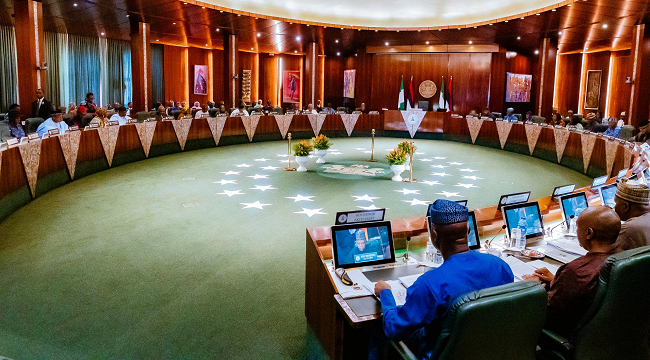
Yes, there have been many fora in form of: summits, symposia, conferences, workshops, seminars, etc, centred on Nigeria’s Education – my focus. Yes, they were on many occasions convened by the highest authorities in government(s). Yes, wonderful reports emanated there from. But no, the general impact on the progress of education in Nigeria of these past efforts has been less than desirable. Now, worse still, we are experiencing devalued intellectual dialogues – which I consider worse than any form of currency devaluation. Consequently, there are a number of questions begging for answers, like; what is the way forward to urgently improve impact? Any hope?
Yes! Yes!! There is a way forward and, there is hope, too.

But before I go further, permit me to illustrate this general sense of devaluation of intellectual discourse. Recently at a Nigerian Stock Exchange and Bloomberg event – CEOs Roundtable, Darnesh Gordhon, Chief executive officer of Nestle Nigeria, a man who is right there in the dugout of the Nigerian economy, re-echoed a popular sentiment among many in Nigeria: “We talk too much and nothing happens.” What struck a chord with me regarding this popular assertion was the deep tone of frustration in his voice that seemed to suggest that, it doesn’t matter so much about who are involved in ‘talks’ and at what level. The key point here is that intellectual engagements, as critical as they are to quality decision making across board, no longer enjoy the confidence of a critical mass of individuals. This is an unfortunate trend that should worry everyone, especially those involved in the knowledge industry, because the implications are dire. The factors that combine to erode confidence in this case will make a good topic for another day.
Frankly, I am deeply concerned, and my big worries are in two folds: The first, regrettably, is the festering culture that does not seem to place premium on ideas, and therefore do not make for concrete plans or disciplined execution of ideas. This culture is at the root of our attitude to all intellectual engagements and the value we place on their outcomes. Equally, it has overwhelming influence on: How we organise information and store data; how we use intelligence that emanates from conferences; even down to how we structure our programme contents and; who we invite, among other things.
So, anyone or group could go ahead and organise the best of intellectual engagements at conferences; publish rich reports afterwards, which will end up gathering some dust. After all, who truly cares about new, transformational ideas let alone consider their implementation?
Secondly, my other worry borders on the people – in terms of quality and population, who have lost faith in intellectual dialogues in Nigeria. Painfully, in the past few years, I have come in contact with a lot of people – very knowledgeable set of people, I must add, in government, academia and the private sector who point-blank told me that they were tired of conferences in Nigeria. They believe such events are often nothing more than talk shows – a belief, in all honesty, that is evidently well supported by historical trends. This trend scares me simply, because it is strong and popular among a set of people who shape our society, and you can hardly fault it. However, this trend is self destructive and deserves to be defeated sooner than later.
Interestingly, we are now in a real crisis – recession is here, if you have not heard. According to Paul Romer, “crisis is a terrible thing to waste”. Clearly, we no longer have the luxury of choice. It is time to engage more and more, intellectually, and run faster with insights that are generated.

With every sense of urgency, we must turn the corner as quickly as possible, because at this point in this 21st century, where knowledge alone no longer makes the difference in economic competitiveness, but the speed at which ideas are implemented, no nation will ever be able to compete (and diversify, in our own case) on a global scale without thriving, intellectual engagements.
Now back to the hope.
Notwithstanding these fears, all hope is not lost, and it should never happen. If countries in the developed world still gain so much value from conferences, even from those that happen here, Nigerians must wake up before it’s too late.
National Higher Education Forum, a private-public-partnership initiative designed to take the lead in shaping Nigeria’s higher education policy direction and innovation ecosystem, is one source of hope in the horizon.
The conveners, which I am part of, are well aware of the challenges in this sector. And therefore, have taken necessary steps to ensure that it delivers results beyond normal, in a way that demonstrates that high standards are still possible even in the worst of situations.
In fact, watch out for a detailed follow-up article on this initiative.
Odinaka Iloh