By 6:45 a.m, Chukwudi is already at the passport office gate, plastic folder in hand, ready for a number that might not be called. He knows the drill: Arrive before sunrise to beat the queue, settle the unspoken fee, and leave the rest to chance and the Nigerian gods of unpredictable outcomes.. The official fee is ₦25,000, but he’s budgeted ₦70,000. The difference is for “process”. Everyone pays it. No one calls it a bribe. It’s just how the country works. Everybody face your front.
Who you dey with?” asks a man in a faded lanyard, scanning Chukwudi like inventory. It’s not curiosity or concern, it’s commerce. The real meaning: Should I start calculating my cut, or are you already spoken for?
The tragedy isn’t that the system failed. It’s that people stopped expecting anything from it at all. It wasn’t built to serve them, and now, no one even bothers to pretend it might. Chukwudi isn’t angry. He’s efficient. What would outrage accomplish, after all? He just wants to leave: Canada, maybe. Somewhere a citizen is not just a hopeful beggar with documentation.
The dream of nationhood, the idea that Nigeria was a shared project, flawed but not beyond redemption, has faded like a campaign poster after elections, beaten by the elements and buried beneath the rubble of broken promises. What followed wasn’t grief or rage. It was adaptation. Not apathy exactly, but the quiet pivot of a people learning to live without expectations. Chukwudi, folder in hand, does not wallow in self pity or indignation. He carries on. If today fails him, tomorrow might deliver. The civic imagination is dead. But the hustle? Very much alive.

Across Nigeria, you see this everywhere. What once stirred movements now fuels migrations. From dreaming of a better country to dreaming of better odds. From vision boards of reform to visa appointments at dawn. The new social contract is personal, not national. Just make it. However you can. Wherever you must.
However, every now and then, a flicker returns: national sporting triumphs, Afrobeats shaking stadiums across continents, a Nigerian name rising on global lips. In those moments, we are reminded of our potential to be so much more. Like the ghost of a dream, it lingers still, haunting the margins of a country where faith in public life has withered, but the desire for collective dignity refuses to die. The dream, once bold, now bruised, hovers at the edge of our national memory. In its quiet persistence lies a question we still haven’t answered: what would it take to build a country worthy of its people?
II. The Death of the Civic Imagination
There was a time, recent, but already fading into myth, when Nigerians believed the country was theirs to fix. Not as a naïve dream, but as a solemn duty. In lecture halls, the future was debated like scripture. In newspaper columns, outrage found grammar. In union meetings and protest grounds, the air crackled with a defiant hope.
That time has passed.

Once a name that inspired belonging, “Nigeria” now feels more like a condition to manage. You move through it cautiously: adjusting, adapting, without expecting it to move with you, let alone in your favor. The green passport is no longer a badge of belonging, it is a document to be upgraded, traded, and transcended. Even patriotism has been outsourced. Not to civic duty or collective sacrifice, but to easier proxies:Tobi Amusan breaking records in Oregon, Tems at the Grammys, Hilda Baci cooking her way into the Guinness Book. We no longer believe in the system, so we borrow pride from moments that ask nothing of it. The green passport might weigh heavy at foreign airports, but in those flashes of global recognition, we momentarily forget. Then the moment passes, and reality returns to the stage.
Ask a young Nigerian what they think about their country, and you might get a shrug. Not because they don’t care, but because they don’t see the point. They’ve backed “change” before, it came with a manifesto and left with all the faith they had left.
The civic imagination, that shared vision of a functioning Nigeria, didn’t die in a single moment. No one crisis or failed leader can claim that glory. It died by erosion. By the slow, steady drip of unmet promises, reforms that never took root, and dreams deferred until they quietly expired. Not with a bang, but with a thousand daily humiliations: the police officer who extorts or assaults, the pothole that swallows a loved one, the hours lost chasing basic rights in offices that weaponize inefficiency. Is it fatigue or a coping mechanism, over time, the body learns not to hope too loudly. The spirit, ever resourceful, adapts to lower ceilings.
III. The Reign of the Hustle
In the absence of a shared national future, Nigerians have built private ones. Personal economies bloom as the general economy continues to go down and public systems collapse. The dream is no longer to fix the country, it is to outsmart it.
In Nigeria, money is more than a means of exchange, it is the organizing principle of our daily life. It secures access to essentials that, under our peculiar conditions of nationhood, have come to feel like luxuries. It accelerates processes that would otherwise stall indefinitely. Where policies unravel and institutions falter, money steps in to do what law, order, and public duty no longer can. It is the oil in the machinery, the path through the maze, the ever reliable stand in for a system that was never fully built.
This was not always the case. In the decades after independence, money still bore some link to meaning, earned through merit, tethered to public service, connected, however loosely, to collective progress.However, as the state receded, hollowed by corruption, weakened by the detached leadership of military rule, deregulated by the failures of reformation agendas long on jargon but short on justice or conviction. Money lost its moral casing, and took on a different role: that of redeemer, arbitrator, and gatekeeper. In its wake, the Naira did not just gain in utility; it absorbed a new kind of reverence. A quiet gospel took hold and has converted the nation with more success than any national orientation campaign ever could.
Yet, from this uneasy gospel have emerged virtues: a fierce ingenuity, a refusal to quit, an almost mystical ability to make something out f nothing. Nigerians have learned to stretch value in ways that defy logic and economic theory. From informal markets to fintech revolutions, the hustle has bred innovation. The pressure to survive has taught an entire generation the art of navigation across class, across chaos, across systems designed to exclude.
Sadly, even these virtues carry a quiet cost. We praise the hustle, but rarely ask what it costs in rest, in trust, in civic imagination. We marvel at our adaptability, but seldom question what it means to normalize dysfunction. A society that survives by workaround slowly forgets how to demand what should work in the first place.
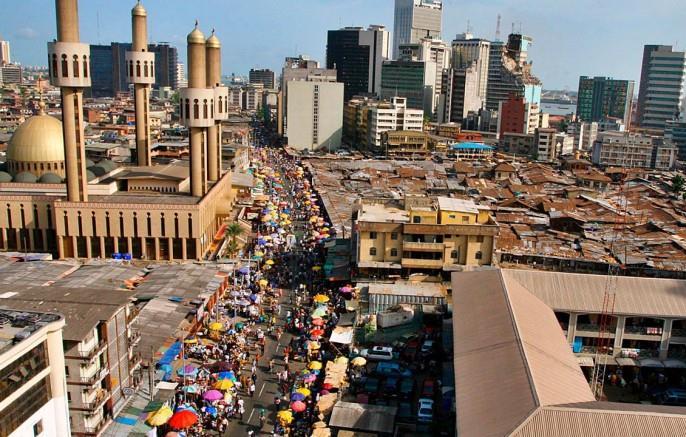
And so, the hustle has become not just a means, but a mindset, one that teaches ingenuity but not entitlement, movement but not momentum. We learn to navigate failure, not to resist it. Over time, the instinct to adjust replaces the impulse to demand, and citizens turn into solo operators in a country built for collective stake. In this new republic of workaround, belief in shared progress dissolves into private striving. The nation has become a marketplace, not a community. Its anthem fades beneath the static of transaction. In place of trust: in law, in systems, in each other, what remains is the one constant that still delivers, still moves, still answers.
In money, we put our faith.
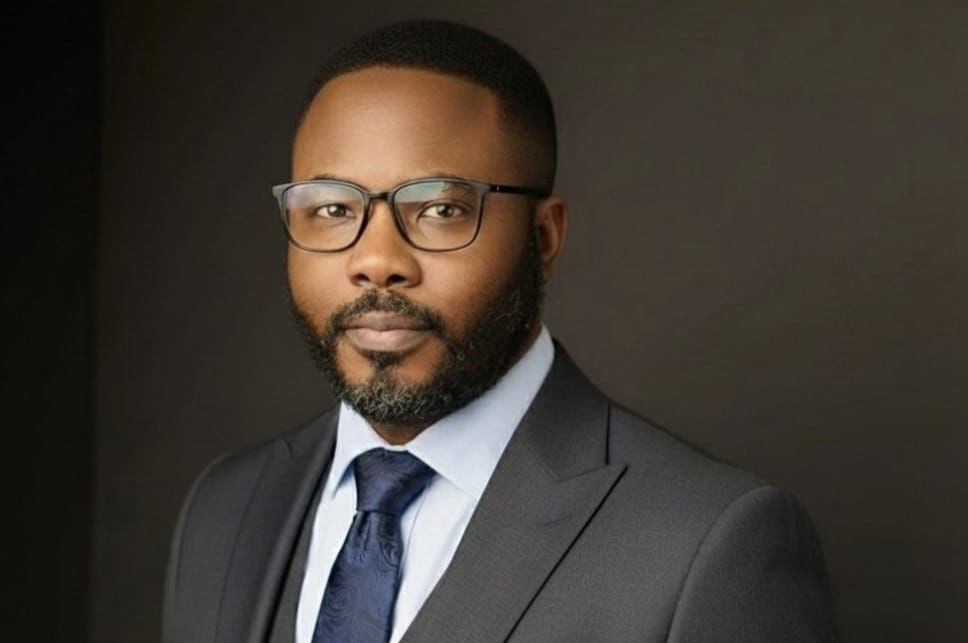
Eyesan Toritseju is a Lagos-based strategist and cultural commentator. In his writing, especially through his column, Cosmopolitan Nigeria, he examines how African societies confront the legacies of their past while reimagining identity, influence, and progress in the present.