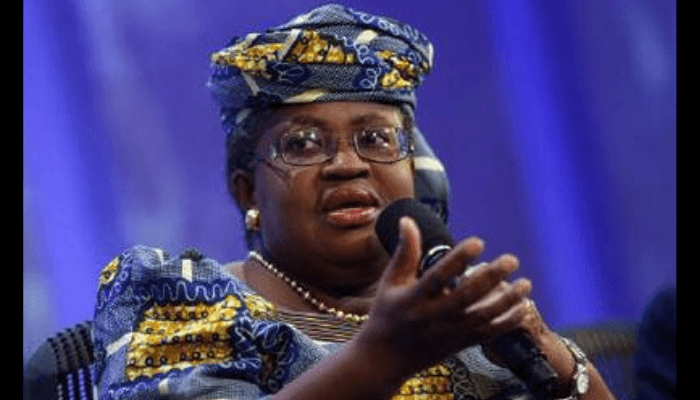
Look within to uplift the lots of your people instead of looking increasingly for help from where help is drying up. This was the advice to African heads of state from the Director General of the World Trade Organisation (WTO), Dr Ngozi Okonjo-Iweala, last weekend at the headquarters of the African Union in Addis Ababa, Ethiopia. She noted clearly that access to aids is closing gradually, and she instead asked African leaders to be innovative.
“The list of international donors to Nigeria and the African continent is endless, and sadly, most of these grants do not get to where they are meant for.”
It is good that this comes from an African who understands the dynamics of African society and governance. As the adage goes, it is the person that loves you that can tell you your mouth smells. For us, this is a clarion call for serious-minded African leaders to sit and restrategize to really embrace the shortfalls the drying aids we once enjoyed may cause.
In 2024, Nigeria received grants from foreign donors for a variety of projects, including HIV/TB/malaria, climate change, and small business development. In February 2024, Nigeria and the Global Fund launched new grants to fight HIV, TB, and malaria, and the Public Diplomacy Programme in Nigeria prioritises proposals that address the impacts of climate change; the African Development Bank Group and the Lake Chad Basin Commission signed a Memorandum of Understanding to restore the Lake Chad Basin. Other grants include the Ambassadors Fund for Cultural Preservation in Nigeria, which supports projects that conserve and restore cultural sites and objects; the Small-Scale Local Development Projects from the Czech Republic, which supports sustainable development activities by local organisations; the Public Diplomacy Small Grants Programme from the US Consulate General in Lagos, which offers funding for a variety of projects; and the PD Grants programme from the US Embassy and Consulate in Nigeria. Other organisations that provide grants to Nigeria include the African Development Bank Group, GAVI, and the United Nations. The list of international donors to Nigeria and the African continent is endless, and sadly, most of these grants do not get to where they are meant for.
The negative effect of aid is thus spelt out when the freeze of billions of dollars in global funding for the United States’ health and education projects in countries of the world, including Nigeria, continues to dominate global discussions. There have been palpable fears on the continental scene that the decision of the Donald Trump presidency to halt the United States Agency for International Development (USAID) will reverse the compounded gains achieved in the global fight and campaign against diseases and infections such as malaria, TB, Human Immunodeficiency Virus (HIV) and its advanced stage, the Acquired Immuno-deficiency Syndrome (AIDS).

Read also: How USAID shutdown will impact Nigeria
Still last weekend, on Channels TV’s Hard Copy programme, Professor Ali Pate, Nigeria’s coordinating minister of health and social welfare, spoke on Nigeria’s preparedness to manage the impact of America’s aid cut on interventions in the health sector, as he referred to the fate of the 28,000 Nigerian health workers previously paid by the aborted American programme.
It is worth noting that for any grant enjoyed by the African continent and its people, somebody somewhere is paying, and since what these grants are made for, often, is not used for, those paying and giving these grants are saying, ‘Enough is enough.’
This is what Dr Ngozi Okonjo-Iweala, in plain language, told African leaders last weekend, saying Africa really needs to change its mindset and see opportunities amid the seeming challenge, asking them to look inward for funding opportunities for the continent.
We believe looking inward should entail recognising those issues that drain the scarce resources, avoiding the avoidables, prioritising the scarce resources, reducing waste and blocking any perceived loopholes, and above all, reducing cost of governance. If African leaders can do this, there will be enough funds for essentials in the African communities.

“Access to aid, I think we can begin to think of it as a thing of the past,” she said.
According to her, Africa really needs to change its mindset and see opportunities with the seeming challenge and effect of the pause of billions of dollars in global funding for the United States’ health and education projects in countries of the world.
African leaders must show responsibility and attract investment and mobilise resources to survive contemporary social and economic realities that come with the policies of the Donald Trump presidency, she advised.
As we know, there is no free lunch in Freetown.